ArgoKnot

weaving

Knitting to the Rescue!

It’s sad for me to report that my looms are in the same condition as when I arrived home.  Life has gotten in the way of my plans…

While I was determining the most pleasing way to thread the pattern for the JOY (Just Our Yarn) yardage project, I had my semi-annual visit to the dermatologist and discovered that a worrisome spot on my arm had become melanoma.  I noticed this spot had changed to something of concern back in January, but I could not get to a doctor then since we had already sailed away to tropical waters.

Still, the news was a bit shocking to me.  I was already beyond Stage 1, so removal of lymph nodes was mandatory on top of removal of the offending spot which ended up being much bigger than what shows on the skin.  It’s all behind me now.  I got a consultation with a surgeon at Smilow Hospital at Yale, and the surgery was only a week later.  Whew!  Two weeks later I got the news that my lymph nodes are clear and that the surgeon got clear borders around the malignant cells.

Yet I’m still not weaving…. The long cut on my arm and the smaller incision in my underarm severed quite a few nerves, and regaining use of my arm is going to take longer than I imagined.  That’s a small price to pay for getting rid of the melanoma, and I can certainly knit and also do bobbin lace.  And every day I am doing arm motions to improve my dexterity.  Very strangely, I have all kinds of odd sensations in my arm all the way down to my hand:  burning, stinging, numbness.  It’s very strange.

Meanwhile,  back to talking about weaving.  Diane and Cathy from Just Our Yarns gave a program to the Connecticut weaving guild last November, in which they demonstrated using two completely different handpainted yarns for warp and weft.  One of the slides showed a scarf woven with a warp of one of their skeins painted from the cool side of the color wheel–mostly blues and purples.  The weft was a brilliant contrast of oranges, yellows and peaches.  You cannot always purchase colorways that you see and like in JOY yarns since they do not repeat any of their handpainted designs exactly.  But I found two contrasting handpainted that should give a similar effect.

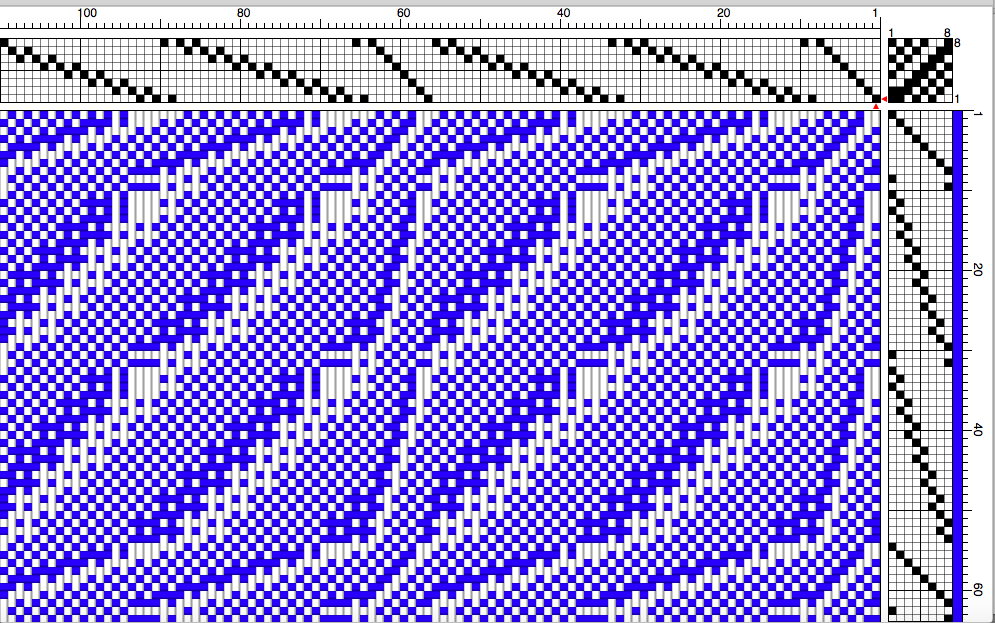
I chose a twill weave structure called “Raku” by Carol Bodin from the book Sixy Scarves for Sixty Years from the Weavers’ Guild of Greater Baltimore.  Here is a partial view of my plan.

Screenshot 2016-06-27 07.48.25

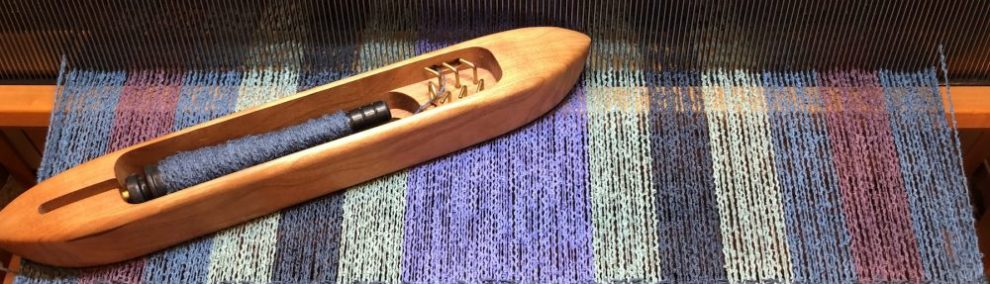
The long warp and weft floats should show off the color contrast of the warp and weft nicely. My warp is mostly muted greys, purples and blues, while my weft is a blend of peaches and creams. The sett will be 35 epi so those floats won’t be too long.

Now, the BIG question:  Should I flip the threading at the center of the warp and have the second half of the threading lean the opposite way?  Should I flip every other repeat of the sequence??  Should I just thread the whole thing in one direction and cut the fabric and turn it as needed for whatever I end up making?

I’ve favored each of these ideas at different times, and at the moment I’ve come full circle back to leaving the threading alone.  It would certainly help if I already knew what I will make with the finished fabric.  Typical of me, I have focused on the intrigue of working with this yarn rather than what I might do with fabric.  The warp is 17″ wide on the loom and I plan to weave 5 yards.

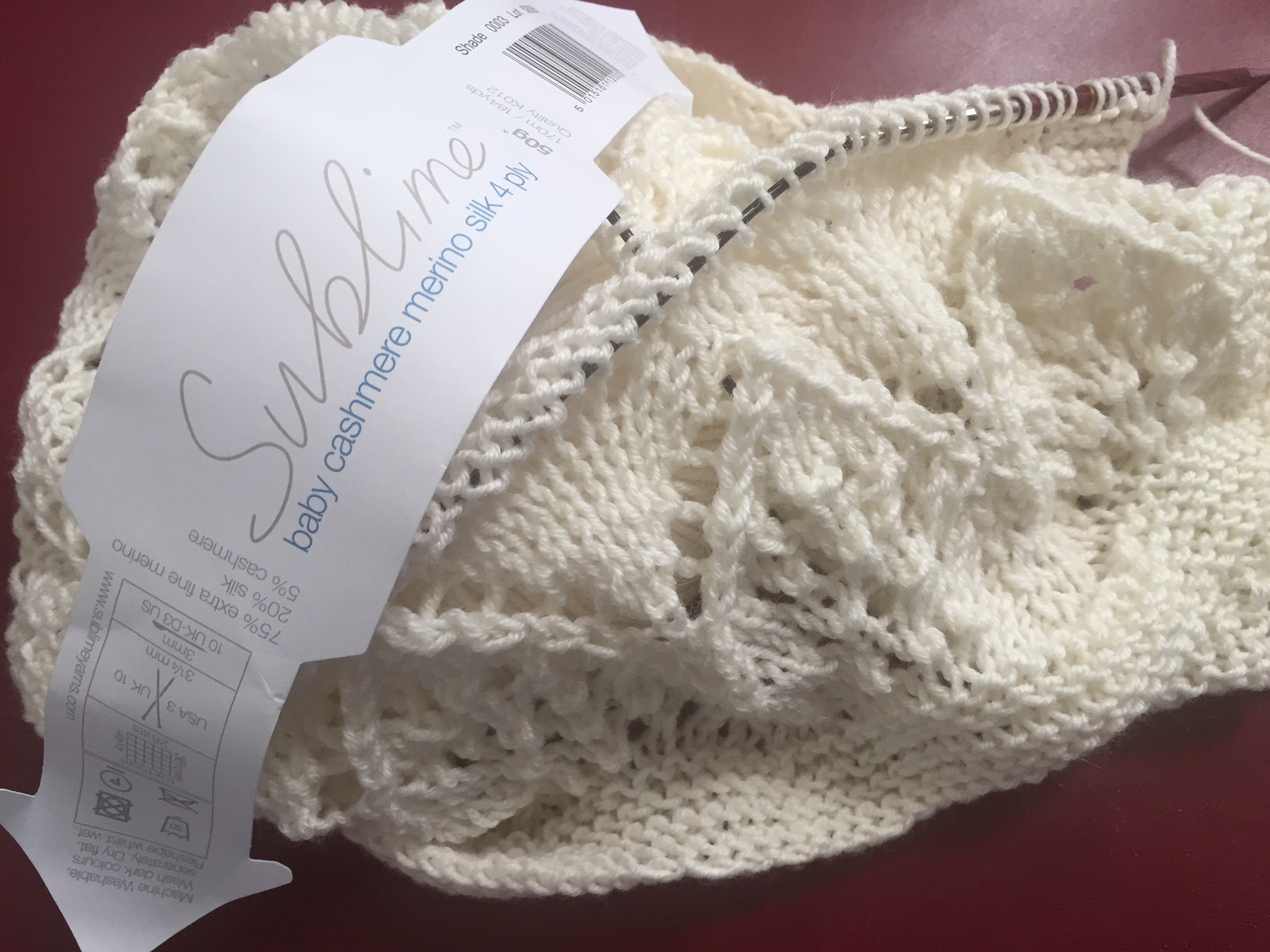
Meanwhile, as I ponder what to do about that threading,  I’ve been knitting and doing some Idrija lace on a bolster pillow.  I don’t even have to prop up my right arm on pillows anymore in order to knit, so I’m definitely improving.  This baby blanket is moving along nicely.  Interestingly, after looking at innumerable lace patterns, I ended up choosing a Eugen Buegler pattern.  He has designed lace patterns for many years and you can see many of his designs at the link above and on ravelry, as well as in numerous books by XRX.  He designed the first lace shawl I ever knitted, over 20 years ago.  I actually went to the local knitting store as I felt myself coming down with the flu in order to make sure that I had something to knit while I would be stuck in bed.  I still have that shawl…. in butterscotch colored, fine merino yarn from Grignasco.

But back to knitting for little baby Ozzie.  Here is the baby blanket as shown on Ravlery. It is called “Lace Plumes Baby Blanket” and is available as a downloadable pattern from Fiber Trends. Thank you, Eugen!  I’m using “Sublime Baby Cashmere” which I ordered from Jimmy Bean’s Wool.

I’m now further along than this photo shows because I work on it almost every evening, and then I realize that evening is not a good time for getting a photo.

IMG_2357

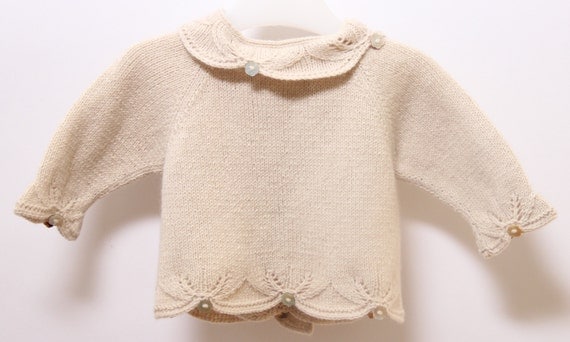
Next up will be this adorable sweater from Little French Knits on Etsy.  It’s a bit feminine, but, since I am so smitten with this little gem, I am clinging to the fact that, should our little bundle of joy be a boy,  they have traditionally dressed in rather delicate clothes as newborns.  This is just too lovely to pass on. Oui?

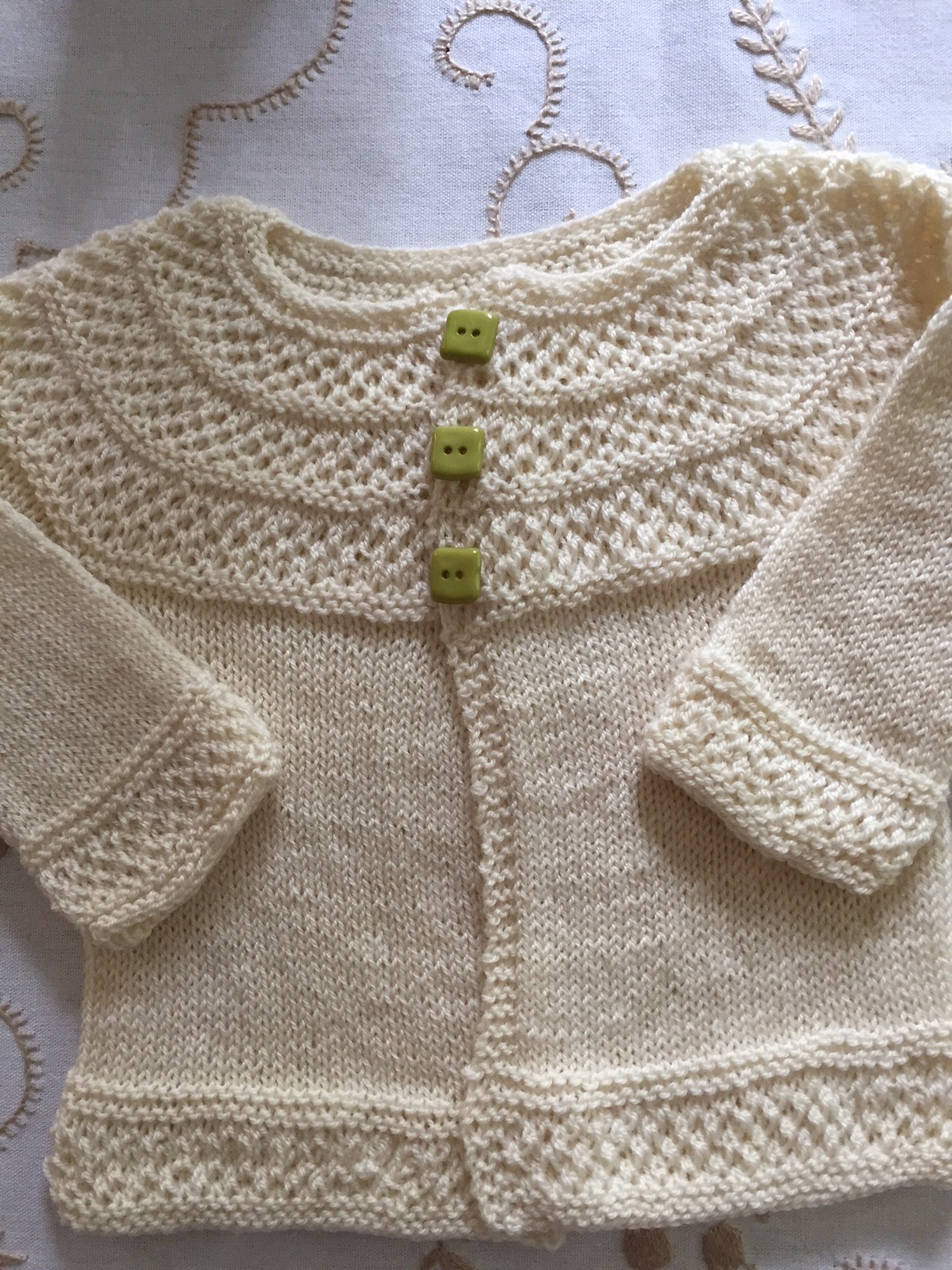
I have not yet shown a photo of the first sweater I made for our future little one.  The pattern is a design by Sephanie Pearl McPhee called Nouveau-ne.  It is delicate and fun to knit without being overly feminine.  I used Plymouth Yarns “Perlina” which is 100% merino which I bought at my LYS, Saybrook Yarns. The pattern has a matching bonnet style hat that I have finished but did not photograph yet.  There are also booties which I have not yet started.

IMG_2352

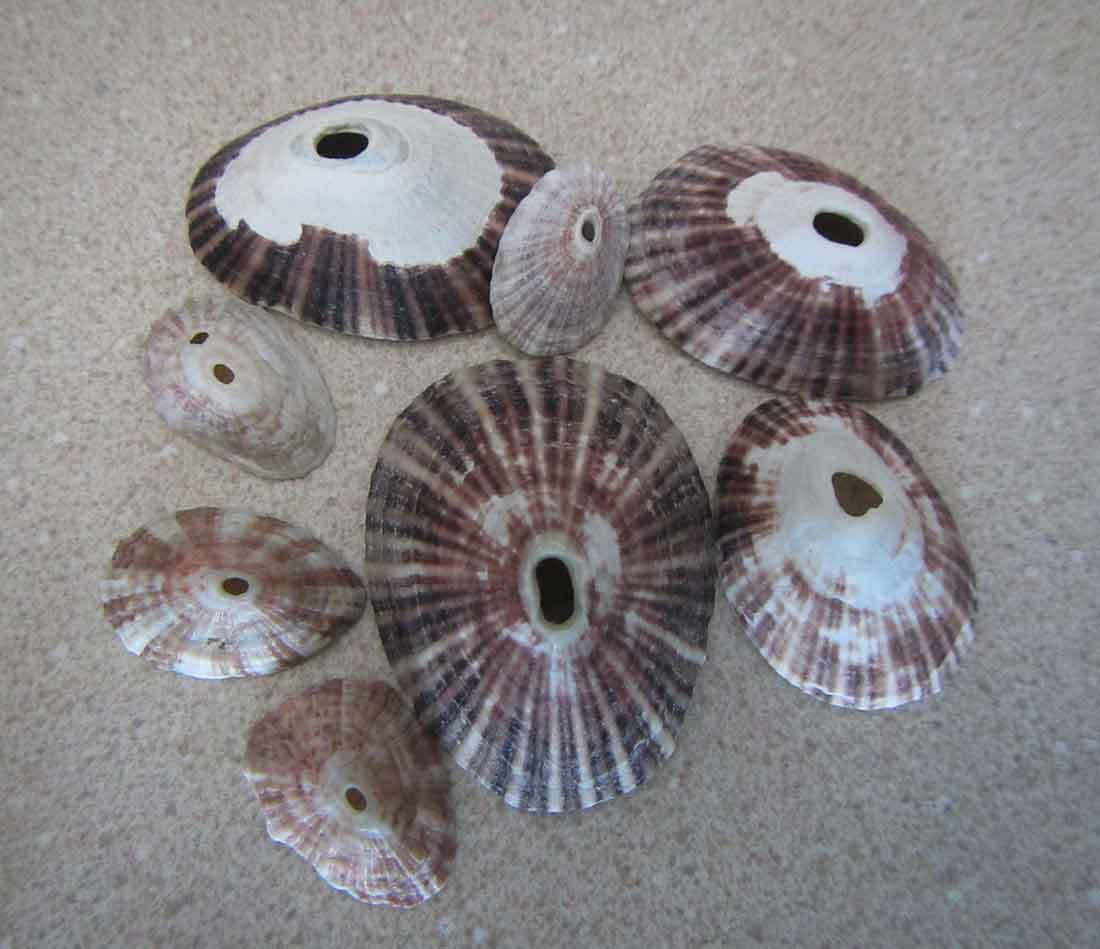
I have little limpet shells from the Bahamas that I will use as buttons instead of what I’ve shown here.  I lent my stash of limpets to a friend, and as soon as I get them back I’ll pick out the tiniest ones for buttons on this sweater.  I think it will be wonderful to have a little embellishment from our travels on our grandchild’s first sweater.  Aren’t I clever??

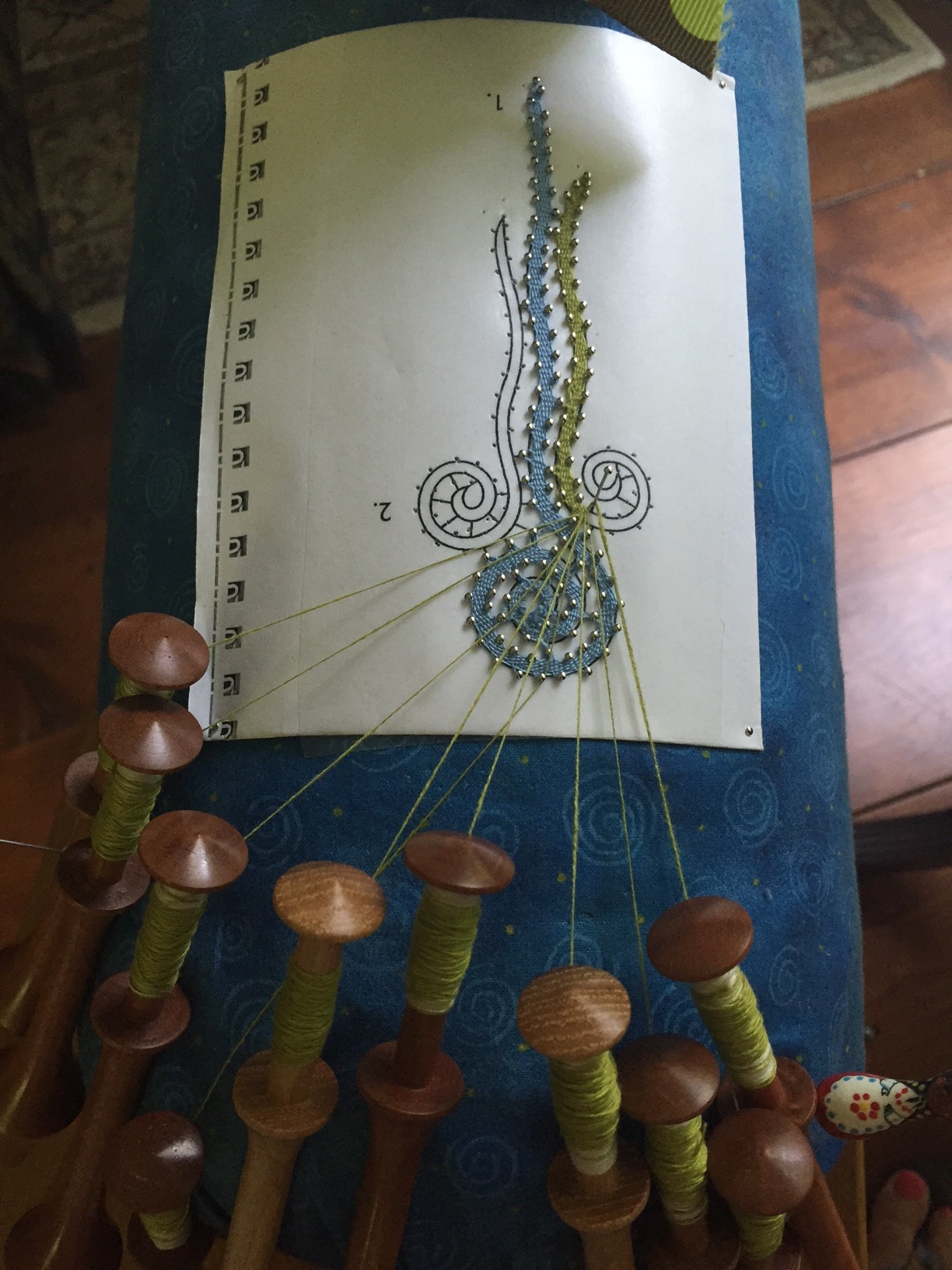
And I turned my attention back to the little Idrija lace ‘doodah’ that I started at the lace retreat back in May.  This little organic shape reminds me of a fiddle head fern or some kind of sea creature.  I’ve decided to make this two more times in a combination of blue and green.

IMG_2362 (1)

Second fiddlehead doodah in progress.  As you can see, the piece is woven upside down. On the next version I will make the central ‘squiggle’ in green and the side ‘squiggles’ in blue.  Then I plan to attach them to one of my summer tops.  Hopefully soon!

IMG_2365

So the past month has been taken up with the excitement of a first grandchild and the fears of having cancer–cancer that managed to progress past stage 1 before I got diagnosed.  It’s been an emotional roller coaster, and as usual, handwork– mostly knitting– has saved the day.  It took a full month to get diagnosed, have an initial consult with a surgeon, have the surgery, and get the pathology reports.  Waiting may not be the hardest part of being sick, but it’s certainly not easy.  Making these little projects and dreaming about future projects is what kept me sane during those long weeks.

Today I stumbled on this book of animal themed pom-poms made by a Japanese woman. She has captured the essence of each animal. After making each pom-pom with a mix of colors to imitate the animal’s fur, she adds details with needle felting.  I looked for the book online, hoping to order it, but so far I only found it on Japanese Amazon with no ability to order from the US.  I shall try harder.

And here’s a video of the author making a bear and teaching others the technique.

Just another little idea for Baby Ozzie to tuck away.  I hope I can find the book!

Adriana, Nancy, Dazmira, Hidalgo!

Everyone turns out on Sundays in Havana. The weather is always fine, so why not? I found more women crowded around Adriana late Sunday morning., and we had another session of exciting talk about handwork.

Since Adriana’s table was not covered in other people’s work in need of her advice, she showed us the progress she has made on her lace blouse. She is more than half finished. Very soon I became too involved in conversations to take any photos, so I’m glad Bob took a lot!

4-25-16a 003

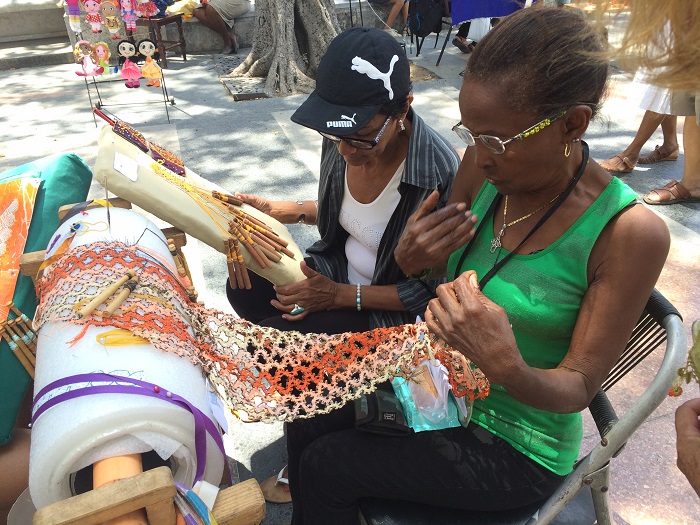
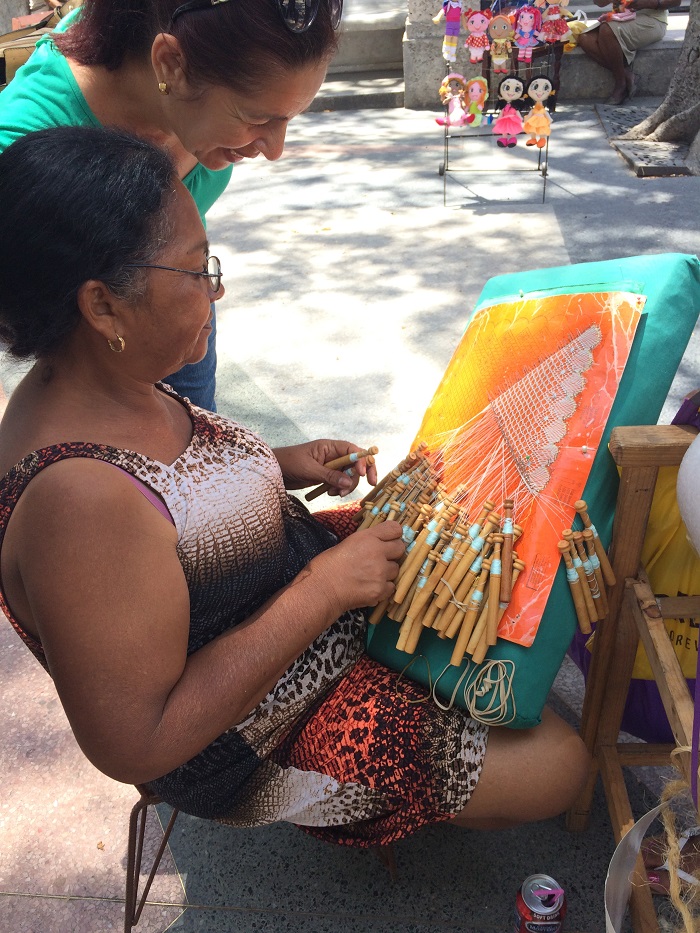
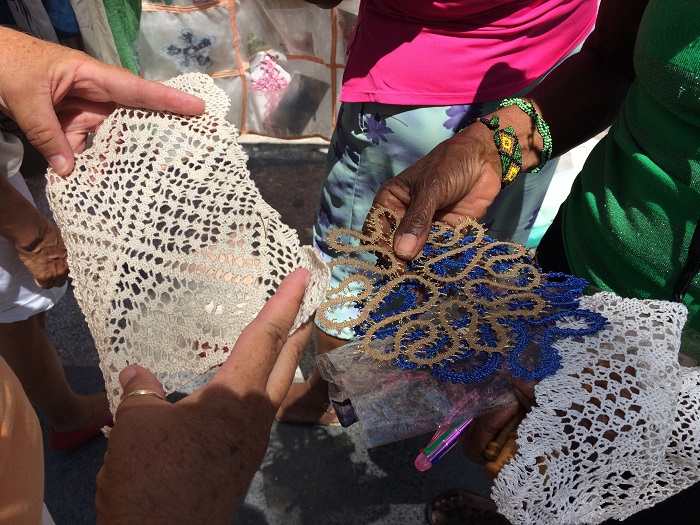
Look at the wonderful work these women are doing. A beautiful bobbin lace (bolillo) piece.

4-25-16a 005

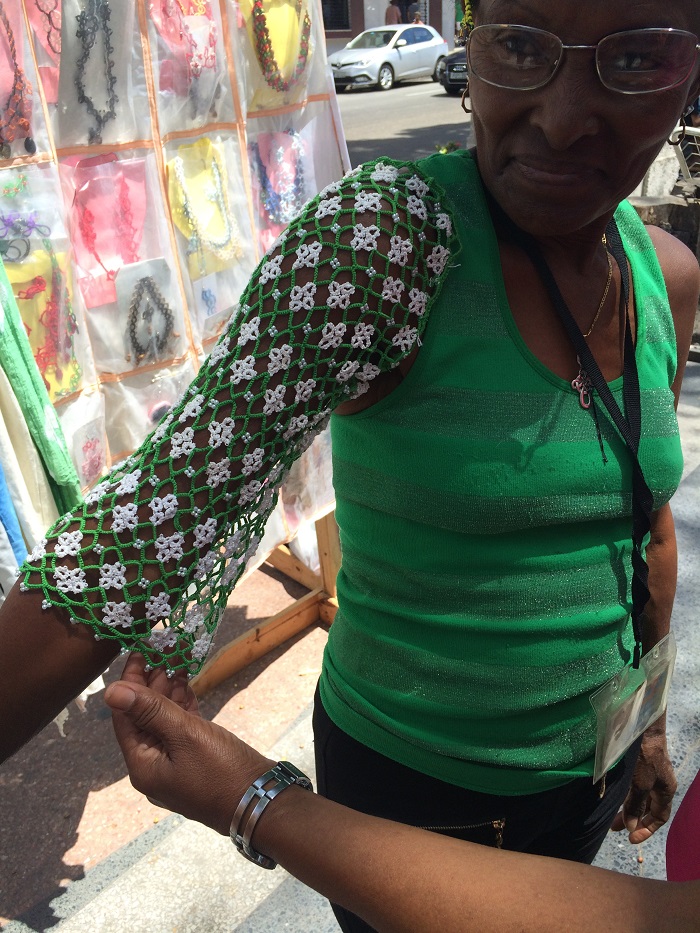
Tatted sleeves, anyone? I would never have thought of it! This is tatting with pearl beads, and is a stunning piece. In black and white it would make the most elegant eveningwear, attached to a silk tunic. The tatting was perfectly done. Doesn’t it look fabulous on Adriana? She did not make it, but since she was wearing the perfect green tank top she had to model it!

4-25-16a 026

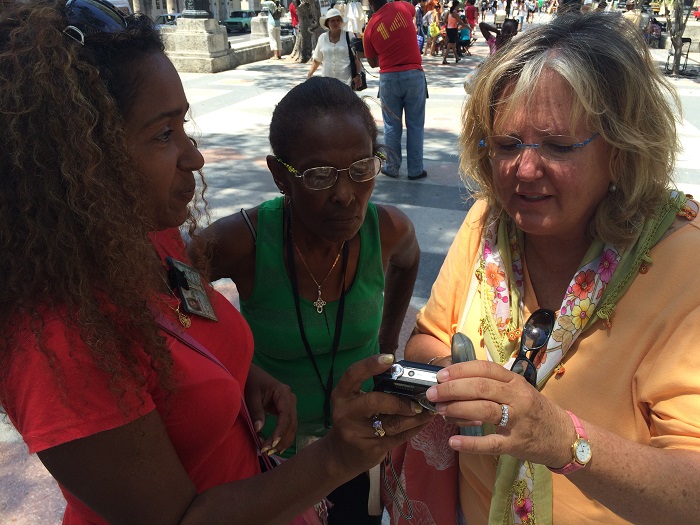
I happened to wear one of my Turkish scarves, which all the women loved. They asked to take photographs of it because they want to try their hands at crocheting this type of edging with fun, dangly flowers. I bet they’ll have it figured out in no time!

4-25-16a 008

Dazmira has her own booth nearby Adriana, where she displays her crocheted blouses, little girls’ dresses, handbags and hats. She buys large containers of the pull-tabs from beer bottles for $1 CUC (about $1.15 US) with which she embellishes many of her handbags and hats. She also crochets with plastic shopping bags and old video tapes. You can find her on Facebook as Dazmira.  I’ll post a link when I get home.

As is typical in Cuba, you cannot give a gift without getting something in return, though this has taken almost two months for me to realize. I think this is what caused some awkwardness when I gave away some spools of tatting thread to the teacher at the Women’s Federation in Santiago. Here, though, it was wonderful to see Adriana’s face light up with the spools of lace thread I brought for her. She showed me a baby’s outfit she made with this type of fine cotton. She took the pattern for a handkerchief edging (perfect square opening in the center for the neckline) and adapted it to make the bodice of a little boy’s one-piece suit. I got weak in the knees when I saw the lace bodice on this outfit, but I could not bring myself to buy it. I don’t have any grandchildren yet, and I don’t want to jinx it!

Instead I bought two beautiful pieces of tape lace and a small Torchon centerpiece.

4-25-16a 031

Adriana gave me a pair of tatted earrings done in navy and pale blue with fire polished crystals! I treasure them!

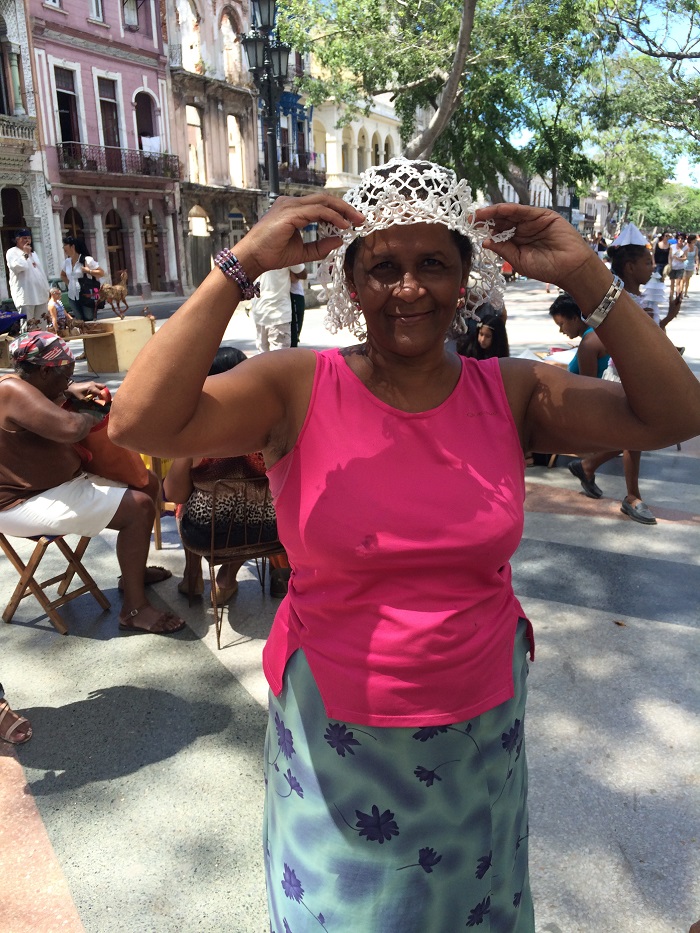
I don’t remember this woman’s name, but she turns out a lot of elaborate tatted projects. She made the interesting green and white beaded sleeves, and here she is modeling (against her will) a lacy tatted hat that has not been starched yet. It will be such a frivolous and fun accessory when it’s finished.

4-25-16a 037

The materials available in Cuba dictate the projects these women make. Most of the cotton threads are thicker than we are familiar with for doing tatting or bobbin lace. If I’d known so many of these women tat, I would have brought much more of that. Ah, well.   The tatting projects and bobbin lace projects are done with cotton that is considerably thicker than what we use in the US. Some of it looks like cotton floss, but even thicker—almost like a 12 strand floss. I can see it is NOT easy to work with in tatting because it splits so easily. Still, these women manage very well.

Adriana believes that they can now receive mail from the US. Boy, I hope so. I will send them more fine threads to work with. They oohed and ahhed over the threads I brought with me, and of course you can fit a lot of thread in a small package. The problem will be with mail service between the US and Cuba, and hopefully Adriana is right that things have already changed.

Internet in Cuba is challenging since it is rationed, so although there is plenty of information online these women cannot access it.   I bet it will be at least a month before I settle back into taking internet access for granted when I get home. It’s been highly frustrating here!

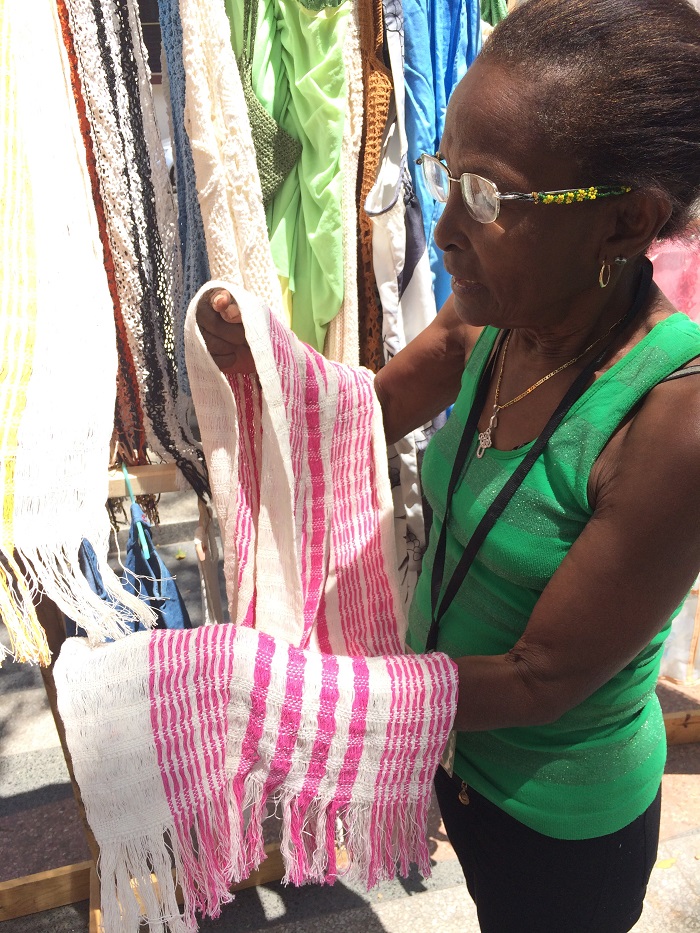
There were two handwoven scarves on Adriana’s display. When I questioned her about them she told me they had been woven by a man. I made all kinds of motions to describe a rigid heddle loom, and she was nodding her head through my whole pantomime, so I think that’s what was used to weave these scarves.

4-25-16a 023

Adriana is very interested in having instructions to make a simple floor loom, so I will be on the lookout for that when I get back home. I have not found any handweaving in Cuba, and she confirmed that herself. She did not know the word for handwoven in Spanish, nor the word for ‘loom.’ She was calling it the ‘machina por maya,’ the machine for fabric, until I wrote down the word ‘loom’ for her in her notebook.

Hidalgo joined us again, and Adriana teased him that he already knows so much about handwork he should start crocheting himself! And that’s when I learned that he paints, and sculpts and does woodworking in his free time. The people who have booths on the Paseo del Prada are very interesting, and I know I would enjoy getting to know them better! I hope we can stay connected through email…we have all exchanged email addresses.

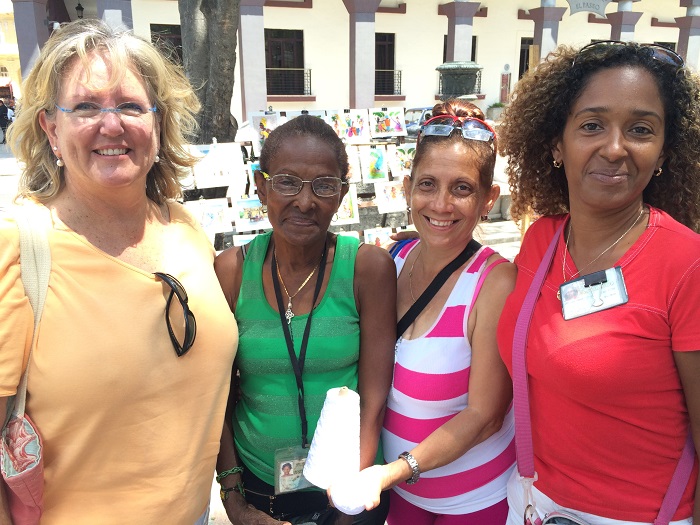
In the end we discussed the value of handwork. When I said that not many women do handwork in the US, and that when they see it for sale many women are shocked at the price we ask for handwovens, lace, knitting…etc. These Cuban women agreed. They said young women in Cuba want inexpensive, manufactured garments. We agreed that in both the US and in Cuba women who do handwork are the biggest supporters of textile handwork! We buy from each other! In the photo below, from left to right: me, Adriana, Nancy, and Dazmira.

4-25-16a 020

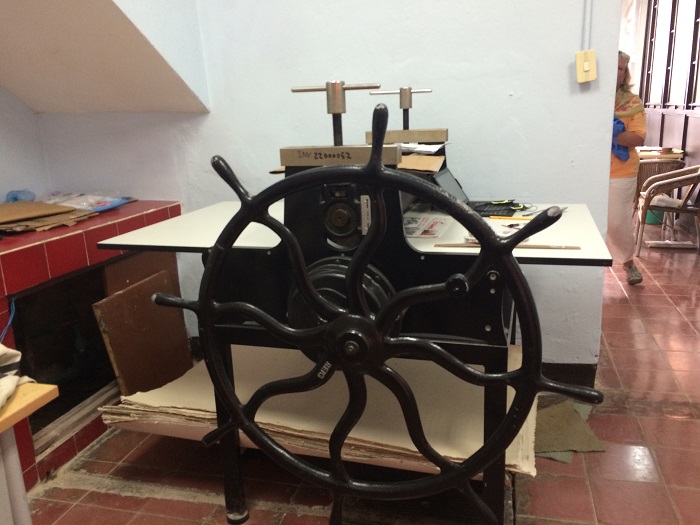
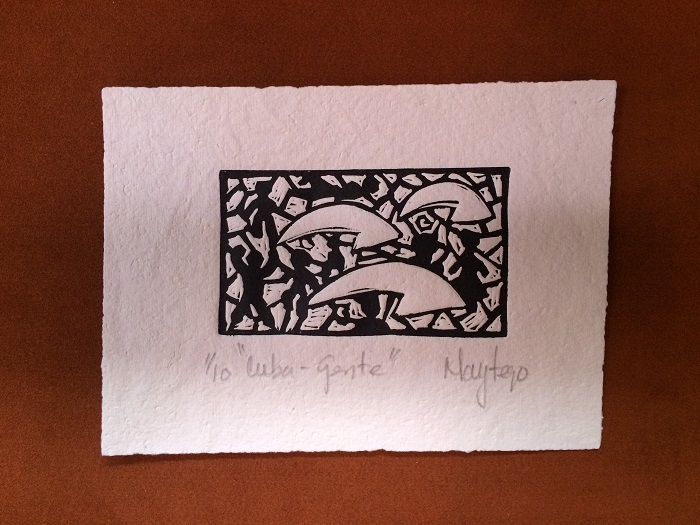
Later in the day, near the restaurant we enjoyed on Mercederes we found a small gallery of woodcut prints. A group of artists were working together, sharing a printing press that had been donated by Unicef.   The gallery itself was part of a beautiful historic building.

4-25-16a 039

4-25-16c 002We ended the day with an early dinner at an outside café called Dominica, where the music was more intoxicating than the mojitos! First a band of men playing xylophone, bongos, guitar, saxophone and string bass, followed by a ‘girl band’ playing keyboard, saxophone, bongos and string bass, with a wonderful female lead singer. Beyond mariachis there are some other interesting percussive instruments, including a hollowed out gourd that has grooves incised along one side. You play it by rubbing a stick across the grooves, and it adds a wonderful rhythmic nuance to bongos and mariachis. I don’t know what it’s called—maybe it’s just called what it is!—a gourd. I love the rhythms of Cuban music— samba and bossa nova. Fantastic! You cannot sit still to this music, which must by why Cubans, and many tourists, are always dancing!


Exciting Stuff

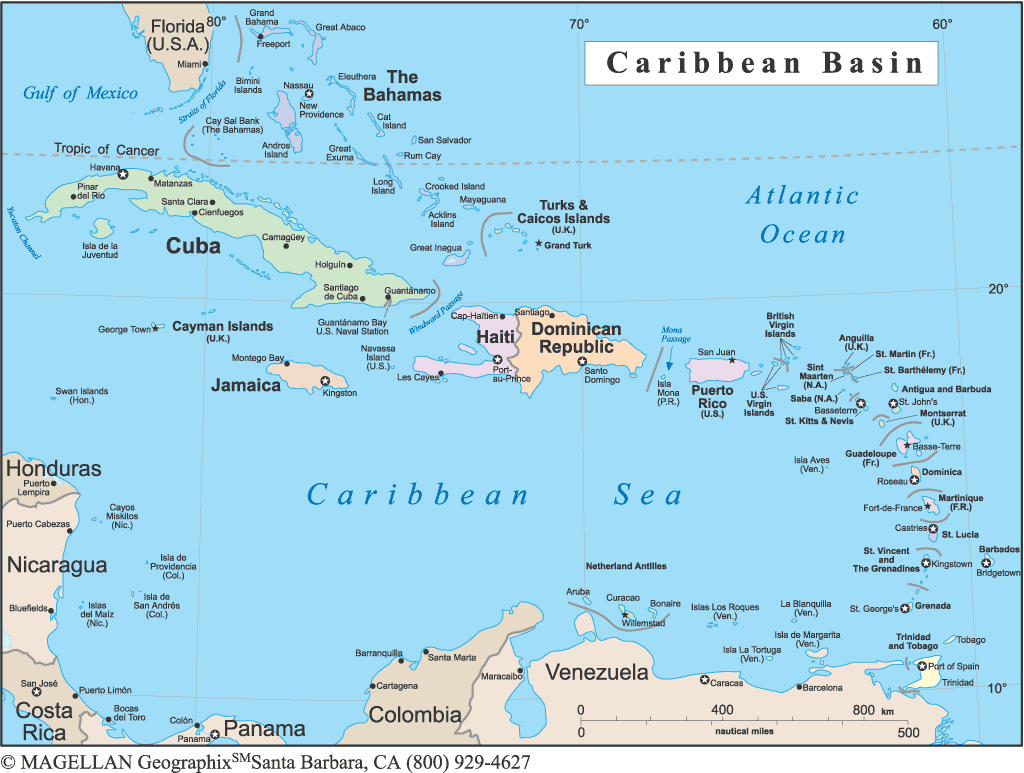
We are leaving the safe confines of Over Yonder Cay later this morning.  I’m excited and more than a little nervous about what lies ahead.  The winds are still challenging, so for some of this week we will be looking for another good hiding place to stay safe.  Rather soon we will be headed out in the Atlantic to Great Exuma — specifically to a large settlement called Georgetown where we can get good provisions for our last 6 – 8 weeks of sailing.  From Georgetown we will either leave for Cuba or we’ll sail east to Long Island and leave from there.

This map shows a bit more than you need to know.  Can you find the tiny Great Exuma and Long Island in the Bahamas chain? You can click on the map to ‘bigify.’  We’ll sail down past Crooked Island and Mayaguana and Grand Inagua without stopping, and then go through the Windward Passage between the eastern tip of Cuba and the western tip of Haiti.

We’ll sail past Guantanamo on the eastern most tip of the southern coast of Cuba–well offshore as the Coast Guard requires.  Then we’ll make landfall at Santiago de Cuba.  The trip from Long Island will be around 350 miles and will take us about 3 days.  It’s important that we arrive at Santiago de Cuba in daylight, and I hope that we can also go through the Windward Passage during daylight.  That is one of the busiest shipping lanes in the world.  So, yes, I am very worried about that! Am I scared?  Like you cannot believe!  I’ve been repressing this part of our trip for months now, and now I must face the fact that it’s almost time to do it.

So, farewell to lovely Over Yonder. Here’s Bob standing on one of the greens overlooking the Atlantic. We’re not golfers, but all the greens were wonderful to visit, just for the views!

1-IMG_2077

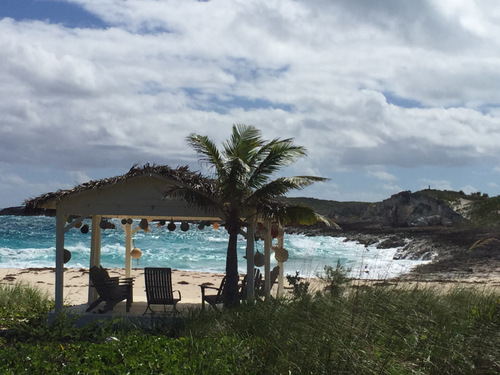
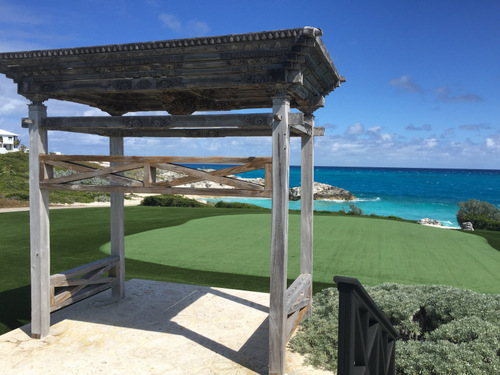
And here’s the pavilion at the ocean side beach we visited a couple of times. Can you tell how windy it is?  A couple of times we brought our books to read, but the view is just so arresting it was hard to read.  And with the wind howling it was hard to read through watery eyes!

4-IMG_2080

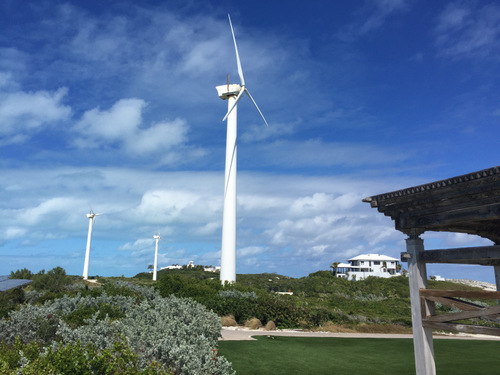
And here are the wind generators–the sight that makes Over Yonder Cay so easily recognizable, with the main house in the background.

3-IMG_2079

These pavilions built for meditation and yoga practice are new since we last visited here.  There are several of them, all from India–just another wonderful part of the Over Yonder setting that makes it so hard to leave.

2-IMG_2078

It will be sobering to return to the real life of sailing and looking for shelter!

I thought this would also be farewell to easy internet and cell coverage.  I’ve spoken to both kids now– to our older son who is in Amsterdam on business and who will spend this week in Paris and Geneva as well. And to our younger son in San Francisco.  I’ve written a lot of emails. But now Bob has pointed out to me that as long as there is a cell tower on a nearby island (and they are on almost all the islands now), we’ll be able to use the not-so-smart phone we got for the Bahamas as a hot spot.  Whew!  I’m not off the grid yet! Whew!

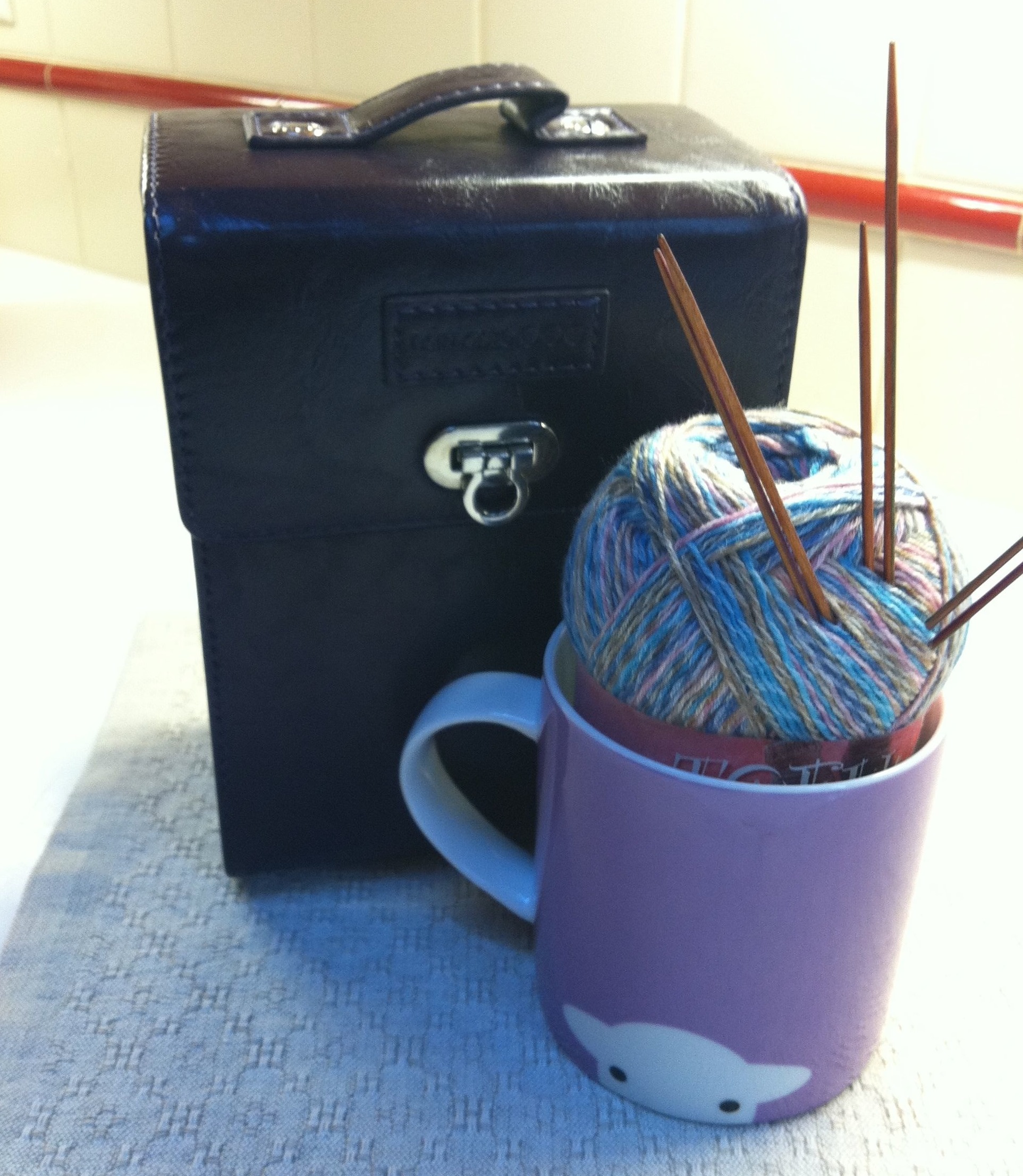
This morning I got an email from the friend who is weaving a lunch bag to coordinate with my sheep mug.  This was a guild project that started a couple of years ago.  In case you don’t remember my mug, I’ll remind you!  My younger son gave it to me a fews years ago.

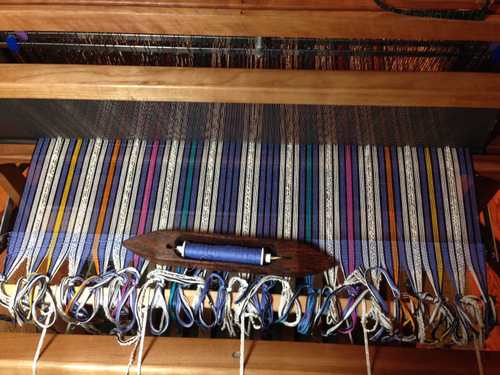
And here is the warp that my friend Susan has created to go with my sheep mug!  The stripe colors she has chosen are all the colors that the mugs come in–isn’t that a great idea? It’s fabulous, and yes!!!! I’m excited!  Susan has promised to send more photos as the weaving progresses, so I’m also excited about being able to watch this fabric grow and turn into a lunch bag!

5-Lunchbag fabric Susan Morrison


Sericulture in Connecticut and a Workshop with Sarah

That title is a mouthful.  Initially, I just liked the sound of “Sericulture in Connecticut,”  but I could not write about that when I’d also just spent a fabulous three days sewing with Sarah Fortin!  Some week!   I guess if all weeks were as educational and productive I’d be wiped out all the time. Who knew there was a silk industry in Connecticut?  I did not.  I certainly knew that China and other Asian countries have had  silk production since the dawn of time.  And I knew that by the Renaissance, European countries wanted to grow their own silk worms so they could stop buying costly silk from China that involved the long and treacherous journey on the silk roads.  Well, it turns out that the English wanted to see if silk could be successfully cultivated in the American colonies.  The experiment started in the area from Virginia to Georgia, around 1650.  This is the same period in which the English experimented growing indigo in the southern colonies as well.  A century later the southern colonies were focused on cotton and tobacco, and an experimental silk culture had started in Mansfield,  an area east of Hartford.  This was a cottage industry in which farmers were encouraged to plant black mulberry trees in their orchards, and their wives raised the silkworms and learned to reel the silk. The program was presented by Ann Galonska from the Mansfield Historical Society.  She has been researching the silk industry in this part of Connecticut for a number of years and she also decided to try her own hand at raising silk worms.  She was able to feed the caterpillars on the leaves from the few remaining black mulberry trees in the area.

1-IMG_1551

Interestingly, Ann told us that silk worms put on 80% of weight during the last week of their caterpillar cycle.  They go through so many mulberry leaves that she has to replenish the leaves multiple times a day.

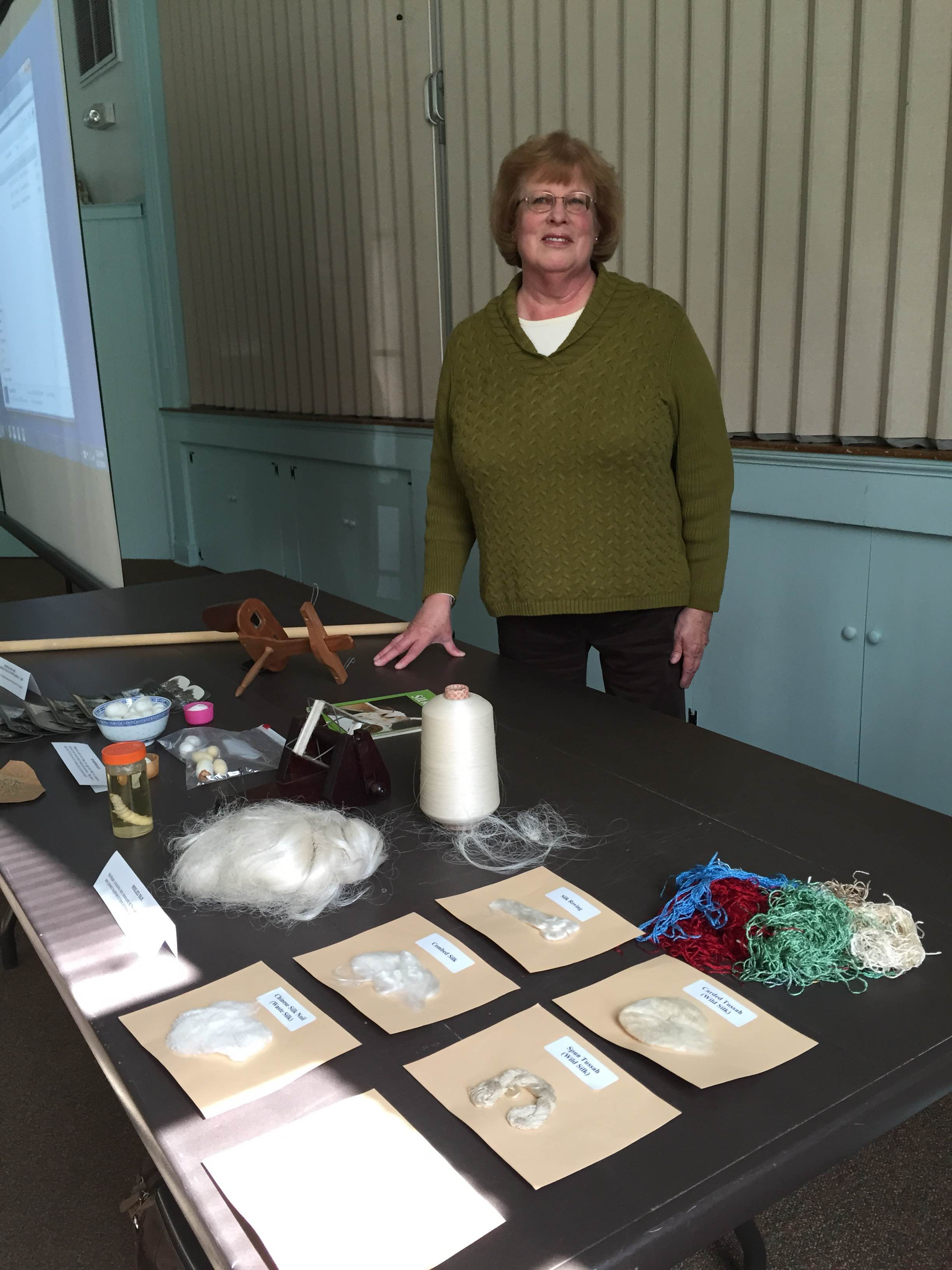
Ann brought silk cocoons, silk worm eggs, a silk worm preserved in a jar (formaldehyde?), and various samples of different silk preparations.  She showed slides of the various silk mills that cropped up in the area.  Hanks Silk Mill ws the first mill in the US, established in 1810.  As time went by more mills were established:  Chaffee Silk Mill and Mansfield Silk Company, until by 1869, there were eight mills in the area. She showed bills where farmer were paid for the silk they delivered, as well as ledgers of bartering with silk as payment for household goods.

She showed an adverstisement from 1834, urging farmers to buy mulberry trees to add to their orchards: 100 black mulberry trees for $3 – 5.  Hard to imagine, even given the cost of things back then.  By the end of that decade the same 100 trees cost $500.  And that is even harder to imagine!  Silk was a profitable industry in this area for a couple of decades, but the decline began when people started buying saplings of the white mulberry tree, which was known to be preferable to black mulberry.  Ann said these trees survived the first couple of winters in Connecticut which happened to be mild, but when a more typical New Engalnd winter ensued the white mulberries were not hardy enough to survive.  And most of the farmers had cut down their black mulberry trees in order to plant the white version.  While raising silk worms swiftly declined at this point, the mills hung on well into the 20th century using imported silk.  You can find more information, along with early  20th c. photos of some of the mills at the historical society’s website.  And there are tours of the mills at certain times of the year.  Now that would be a treat!

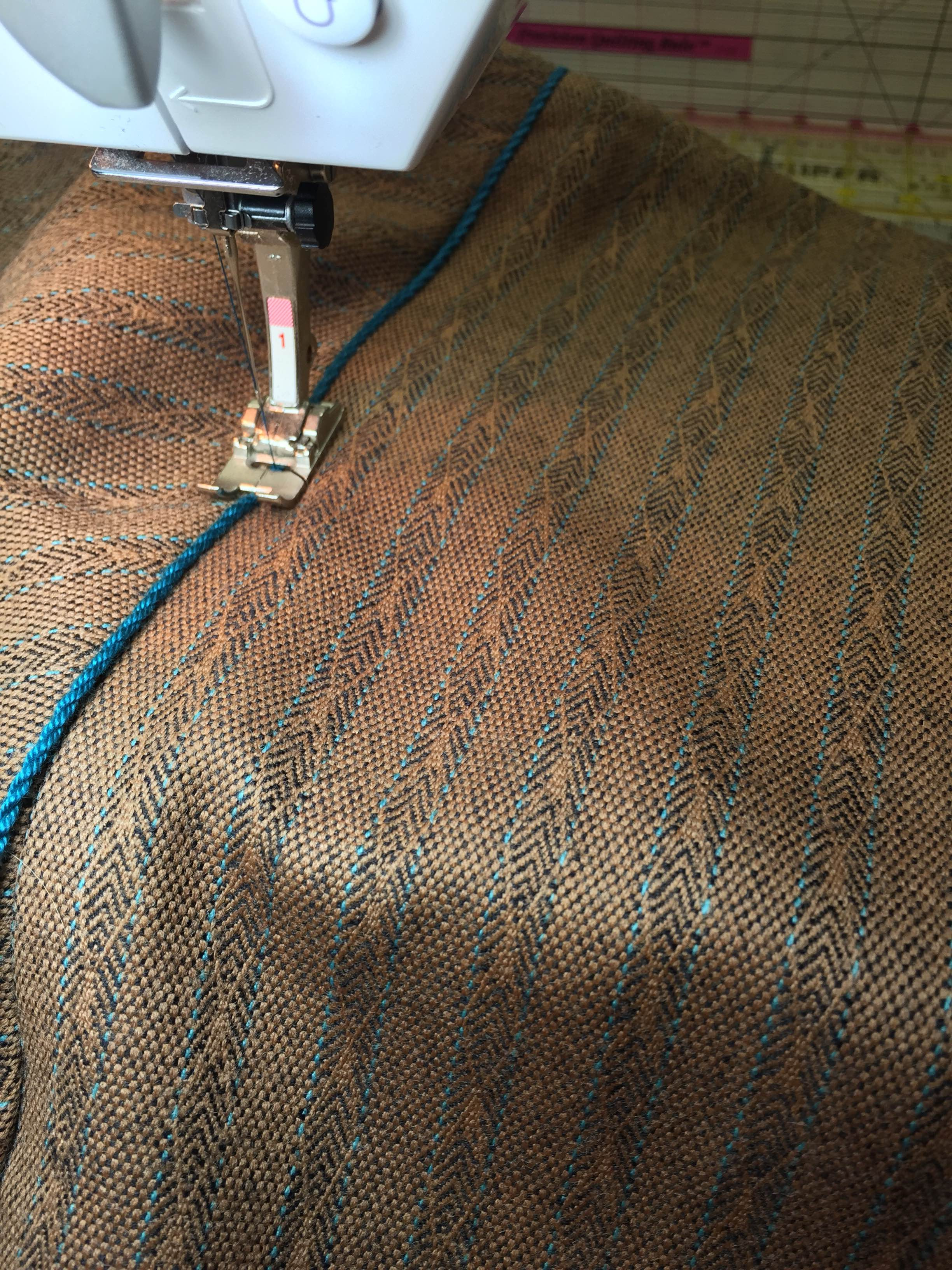
Much of last week I spent at a workshop with Sarah Fortin, learning to sew a garment from handwoven fabric.  This is far from my forte (ha ha!)–so far that I would say I am completely inept at making a flattering garment.  So to cut into precious handwoven fabric for a likely-to-fail attempt at making a jacket made me pretty uncertain about taking this workshop.  I brought a nice selection of commercial fabrcis to choose from:  a length of Harris Tweed, two lengths of wool melton, and a selection of other wool crepes and one chenille that I thought might work up as something interesting.   Somehow, in the tote bag of fabrics I also included a very precious length of wool fabric that Rabbit Goody wove, and that I bought from her as a remnant, about 20 years ago.  This piece of yardage was far more precious to me than any of my own handwoven fabric, and I cannot explain why I took it with me to the workshop!

Naturally, when I showed Sarah my fabric choices, I began listing all the reasons why I would not consider cutting into the Rabbit Goody fabric.  And naturally, Sarah listed all the reasons why I should.  In the long run, Sarah (with enthusiastic support from the rest of the workshoppers) won this debate.

1-Sewing with Rabbit Goody fabric

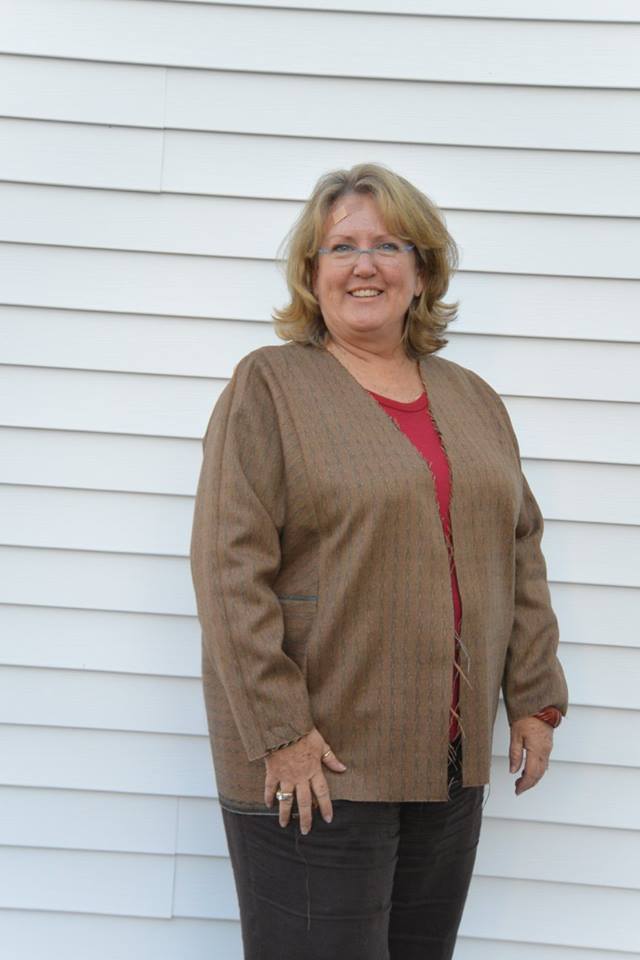
I have to say it was not easy to cut into that beautiful fabric.  The sewing was enjoyable and ate up most of the workshop time.  When I reached the last seam in assembling the jacekt I suddenly got very anxious.  I knew it would be time to try it on.  It still had a lot work to do–all the embellisments I’d planned as well as all the finishing for the sleeves and the hem and attaching a front band.  But it was at this point, when all the pattern pieces were together, that I could try on the jacket, and I did not want to do it!  Sarah came with me to a more private area where the others could not watch, and I put it on.  I was very shocked to find that I loved it!  ….and that it fit so well.  Whew!  All credit for this  goes to Sarah, of course, for helping me size the pattern before cutting it out.  And of course she was right– better to enjoy this fabric as a garment– the very reason I bought it in the first place, rather than hiding it away in my stash.

Sarah Fortin workshop me

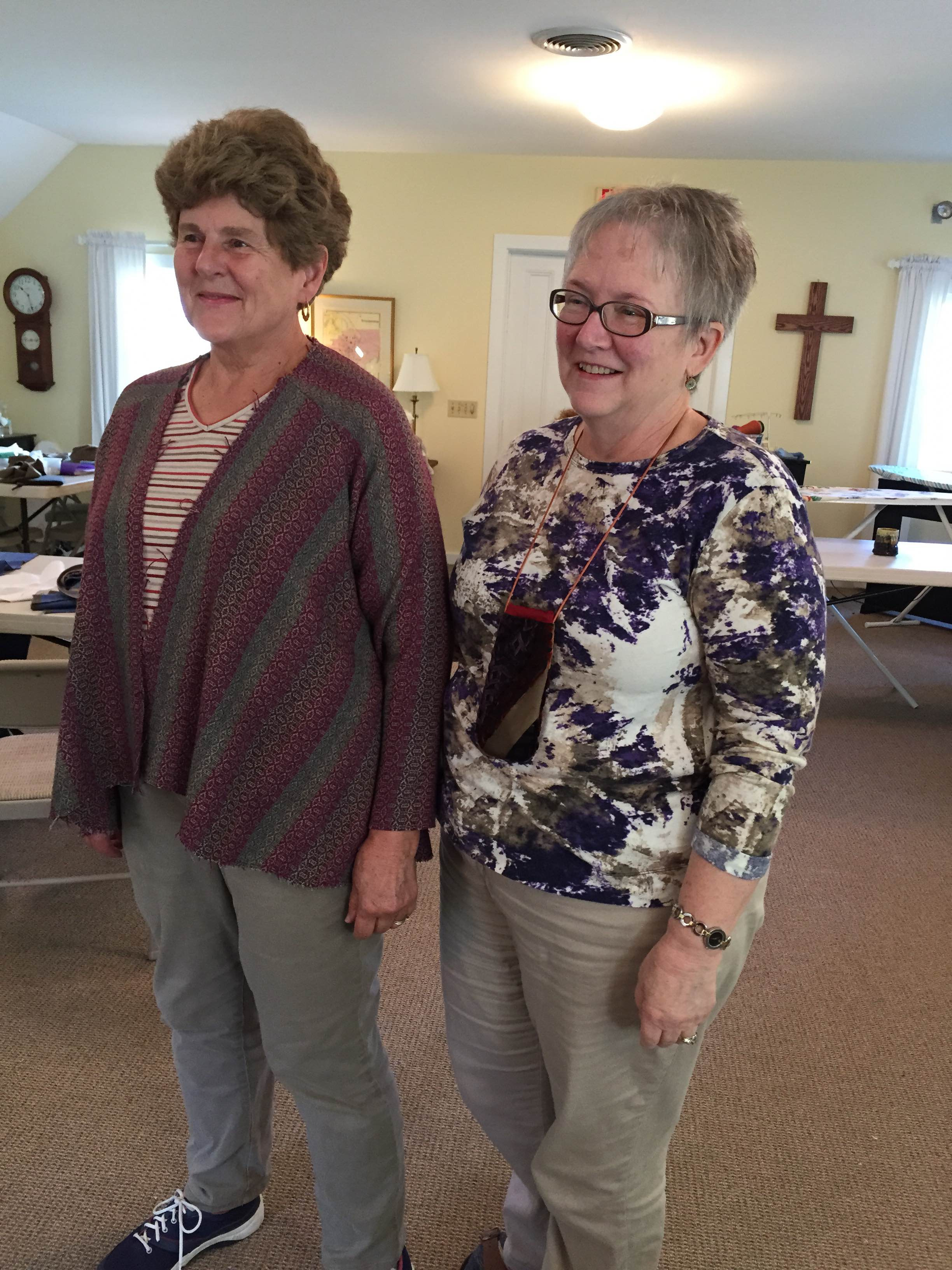
Everyone made a successful jacket during our workshop.  Marjie, who is likely our most accomplished seamstress, finished her jacket first. The pattern she used is called the ‘swing’ jacket. Look how pleased both Marjie and Sarah are with the outcome!  The rest of us are are sighing over this and hoping ours will turn out as well!

3-Sarah Fortin workshop

Last day of class, more people are approaching the finishing! This is Jody’s jacket, a wonderful fabric woven on a warp at Vavstuga. The coloris quite off–it’s actually a great mixture of two greens and brown.  Jody made the same pattern I did, called the “bias sleeve” jacket. I think Jody’s jacket is the most successful combination of weave structure and garment design.  It’s a beauty and it looks fabulous on her!

2-Sarah Fortin workshop Jody

One more finished swing jacket with terrific color placement!

4-Sarah Fortin workshop swing coatSome of us will be getting together again this week to continue to work on our finishing.  I’m now a bit confused about my sleeve finish and how to put on the front band.  I’m hoping some of the more experienced sewers (that would ALL of them!) can give me some pointers.  Also, Sarah has offered to answer any questions so I think I will email her.  I’d better get to it!

Past Wedding, Full Forward on Inspiration!

First a moment of shamless personal happiness:  our older son was married over the weekend in Baltimore.  It was a glorious event!  I enjoyed every detail of it starting with our private time with the almost newly weds when we arrived on Wednesday evening last week, right through to the after-wedding-Sunday-brunch.  It was a small wedding, but the honored guests came from as far as San Francisco and Denver and Florida, to as close as right down the street.  It was a congregation of close knit friends and relatives.  It couldn’t have been better!

rob and kandice wedding begins

 We invited our very oldest friends–two couples we’ve known since long before either Rob or Chris were born–Chris and Pat and LeaAnn and Garrett– and a dear friend, Craig, who has been more than an uncle to our boys….and my sister Sheryl and her family–Carl, Madison and Chloe.  It was perfect!

Elevator selfies are certainly the rage now!

IMG_1282 The wedding party was large for so small a wedding– 6 bride’s maids, 6 groom’s men,
1 groom’s dog, 3 flower girls, and 2 ringbearers.  The groom’s dog may have stolen the show.  After walking down the aisle with the groom, he then gave the groom a ‘high-5’ moments before the bridesmaids entered.

rob and Kandice wedding Bosun procession

 He lay down peacefully between the bride and groom when the vows began.

Rob and Kandice wedding vows with Bosun

When he began to make nesting movements with the bride’s beautiful wedding dress, he made no fuss at being moved in front of the groomsmen. Just look at all those Chuck Taylors!

Bosun and groomsmen

He got to spend a few moments at the reception before he was sent up to the bridal suite to to relax with a very attentive friend.

rob and kandice wedding rob and dad bosun

Here are more moments from the day… I loved every minutes of it!

IMG_1266

Photo ops in the beautiful Hotel Monaco in Baltimore.

IMG_1274

The best man and the mother of the groom–moi!

rob and kandice wedding Chris and me

I am shamelessly proud of these two young men–the groom and his best man brother!

rob and kandice wedding rob and chris

The finale of the ceremony!

Rob and Kandice wedding the kiss

That wonderful moment for any mother of the groom!

IMG_1276

The very best moments of this weekend aren’t documented with photographs.  It was spending some wonderful time with both our sons, our new daugher in law, our friends, my sister and her family.  It was finding two very sweet handwritten notes from my son thanking us for so much, acknowledging what a wonderful relationship we’ve had over the years behind us and the years to come.  This note arrived with a gift just moments before I left our room to go down to the ceremony.  It just doesn’t get any better!

IMG_1283

With a little help from my friends (there’s always a Beatle theme when our family is together) Bob and I hosted a brunch for the newly weds on Sunday morning at their new house in the suburbs of Baltimore.  If not for Pat and Jeremy, and of course Bob, the brunch would not have been nearly as buttoned down as it was!  I guess we were way too busy hosting to get any photos.

I am so indebted to our old friends and my sister’s family for making such a long trek to be part of this event.  Being with them put the frosting on the cake and the cherry on top!

Now back at home I am relishing the all the memories and enjoying looking through all the candid photos taken by friends.  We’ll have the photographer’s images shortly.

I have turned my attentions back to the tapestry presentation I’ll be giving in early September to the weavers’ guild in Rhode Island, to working on what I’ve lovingly called the “Archie Project” for the past ….. years.  I refuse to admit how long this project is taking!

Bob and I took inventory of his stash of dowels in the workshop to determine what he might need to buy in order to make a backstrap for loom for me.  It looks like we have everything needed!  I might be weaving by early next week.

This morning LeaAnn sent me links to a wonderful illustrator and writer who lives in Wales — Jackie Morris.  My imagination took off while reading her blog.  On Saturday, while we were celebrating a wedding, she wrote this:

The summer is always busy. It’s hard to find the silence required for clear thought. George MacKay Brown talked of writing poetry as ‘the interrogation of silence.’ I know not everyone needs it to work, to think, but I do.
…I become more fascinated by silence as I grow older. But finding silence is different to being silent. When you choose to stop speaking you unnerve people. They fill the silence, the space you leave. They interpret your silence in their own way. 

At the end of her post she invited people to comment on how they achieve the silence they need to think and work, or to respond that they do not need to find this silence.

I agree whole heartedly with her description about needing inner silence and attempting to find it. There is no one place where I find mine. Sometimes it is easy to retreat to a wonderful silent place, and sometimes, no matter where I go I cannot get to it. I’m certain it has more to do with the state of my mind than the features or faults of any physical place. It all comes down to me. I just have to learn to be still and let it come.

As a weaver I often find that being at one of my looms is the best place for me to be silent and reap the benefits of where silence can lead. It doesn’t always work, but it is almost foolproof. On a floor loom or at a spinning wheel there is a rhythm of mechanical music that takes me deep into my inner self where there is a vast landscape of something like silence.

In tapestry I almost silently lift each warp thread by hand to create an image, and in that case it is my own deep thinking about the image that draws me away from the world, from any other noise but that deep music inside me. These are the reasons I return to weaving again and again.

After all the busy-ness of this summer–the SSCA extravaganza, visiting friends, the biennial weaving conference, and the wedding–it’s time to find that silence and get some good work done.

Scroll to Top