ArgoKnot

Author name: ozweaver

Textiles in the Caribbean

Time to get back on track a bit and talk about textiles!  It IS the driving force of my visits to any location, so I’m always on the lookout for any kind of textile handwork.  And I have not been disappointed this winter!

Some of the places that are well known for handwork have not fallen in our path this winter.  They will be on my list for future visits, but I’ll still mention them here.  Perhaps the most intriguing place is the island of Saba, which lies off the coast of St. Martin.  It is one of the many volcanic islands that make up the Lesser Antilles, and may be the mmost dramatic.

It does not have a good harbor, so sailors must carefully choose a weather window for visiting.  That did not happen for Bob and me this year, although we could have taken a day trip by ferry to visit.  This island has underwater volcanic mountains with coral reefs, so it is also known as an excellent dive site.

In our sailing guidebook (Cruising Guide to the Leeward Islands) I read that Saba is only 5 square miles but rises to 3,000 feet in that small area.  It was settled by Dutch, Scottish, and English farmers, along with their African slaves.  Over time they all worked side by side to eek out a living on this steep and rugged island.  These settlers became fisherman and farmers and boat builders.

Until the 1940s, all ships came into Ladder Bay, on a dangerous shore that provides little shelter from ocean swells, where access to land was via an 800-step track that was cut into the rock.  Really!  I’m almost afraid to visit and be found to be the biggest cream puff the Sabans may ever encounter!

In the 1950s, some Dutch engineers determined that the island was too challenging to build roads, so one elderly local took the initiative to study road building via correspondence class and shortly after, with his knowledge, the Sabans hand-built their road, finished in 1958. I guess they don’t easily take ‘no’ for an answer.  The women have become skilled in needle lace which they originally learned from lace makers in Venezuela.  Since living on Saba is very isolated, over time their designs have taken on a specific nature that makes it truly theirs.

I found some images online and links to information about lace making on Saba, but most of them will not open since we have slow internet here.

The inactive volcano on Saba is named Mount Scenery, and I bet it is quite a scenic place!  There is a museum on island that I look forward to visiting someday. You can read about the museum here and their collection of lace here.  And, lucky for me, since it is a Dutch museum, I bet the information will be in English!–a nice change from the French islands where English is not an option.

I should mention that although Iles des Saintes and Marie Galante (the islands just south of Guadeloupe) were discovered by Columbus, they have been French since very shortly after they were colonized.  Until recently, the fisherman here used boats like their fishing forbears from Brittany used.  I am sorry I did not get to see a fleet of those boats. When we arrived on Terre de Haute a few days back, I took some photos of the textiles inside the church in the center of town.
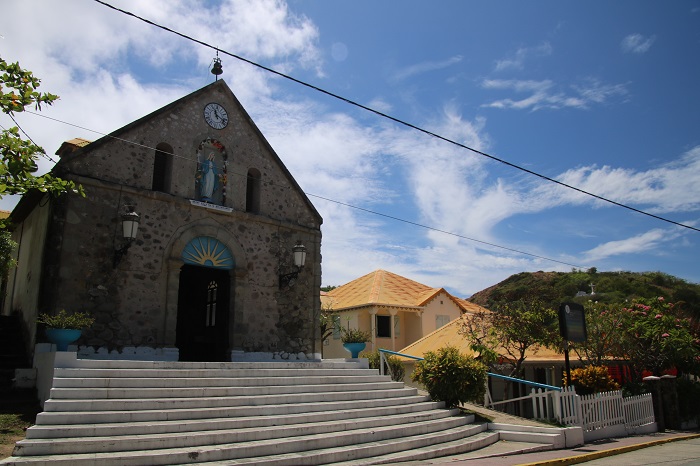
3-26-17a 042

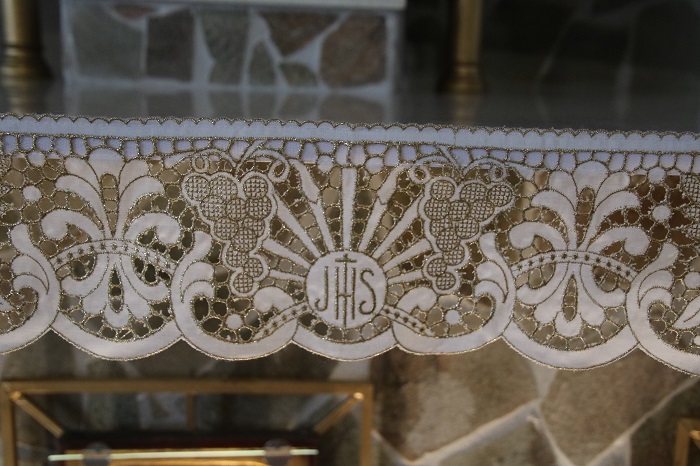
From the back of the church seeing this altar cloth drew me right in.
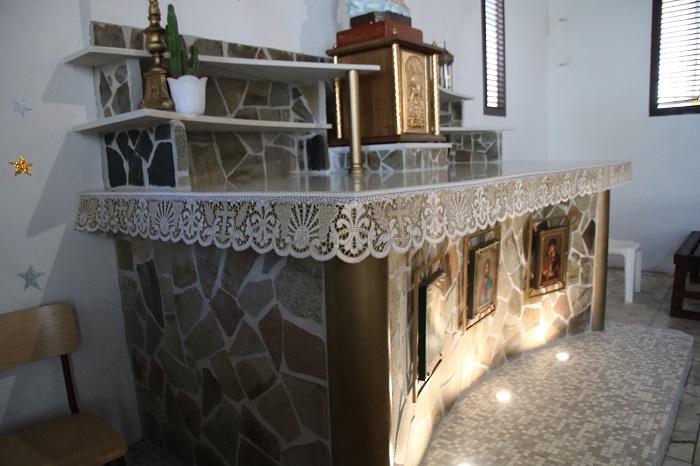
3-26-17a 045

3-26-17a 046

and from the back entrance I thought the pulpit drape might be filet crochet.  I’m glad I took a closer look because it is needle lace.  I have no idea how Saban needle lace differs from other needle laces, such as this, and hopefully I’ll learn a bit more about that on future visits.
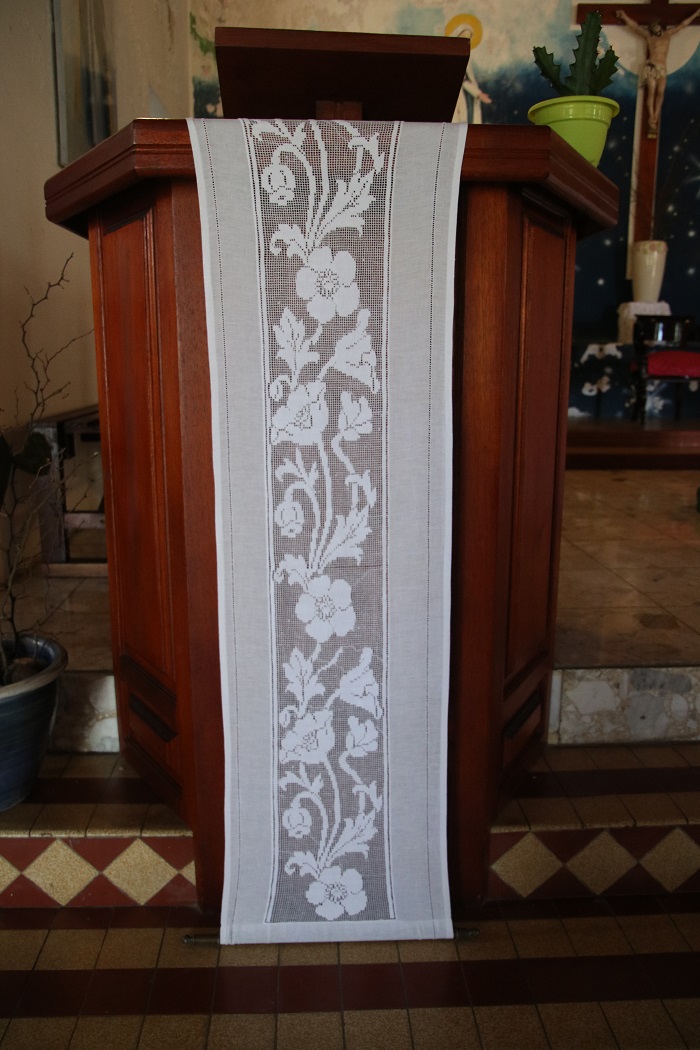
3-26-17a 047

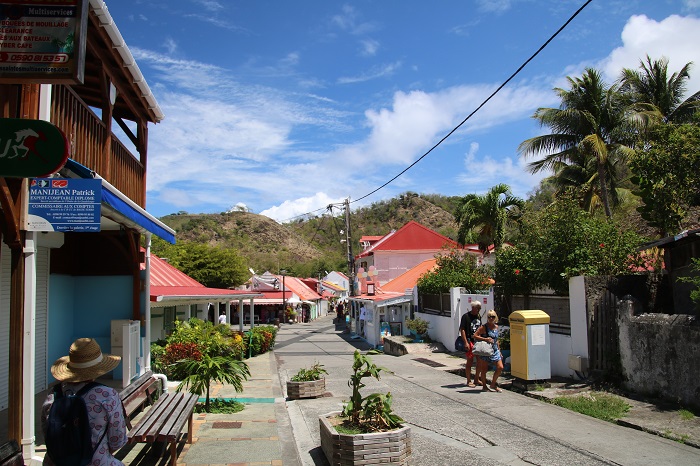
Along the road to the church there are many shops, and one of them is a clothing and accessory shop, called Maogony where everything is dyed blue.  The two owners, Annie and Chakib, use three colors of blue dye to create garments that reflect the colors of the Caribbean waters that lie right outside their store.  Annie and I talked a bit, and I tried my best to understand her excellent English.
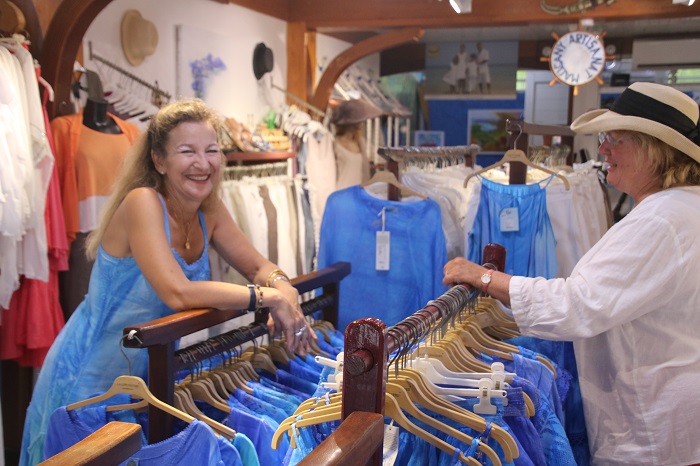
3-26-17a 033

When she described her process, using blues she called cobalt, indigo and turquoise I began to think she and her partner might be using Pro Chem MX dyes.  She said they set the colors in the sun and then finish with a hot mangle before washing them. Their mangle is against the back wall in this photo. They work with garments made from cotton, silk and linen.
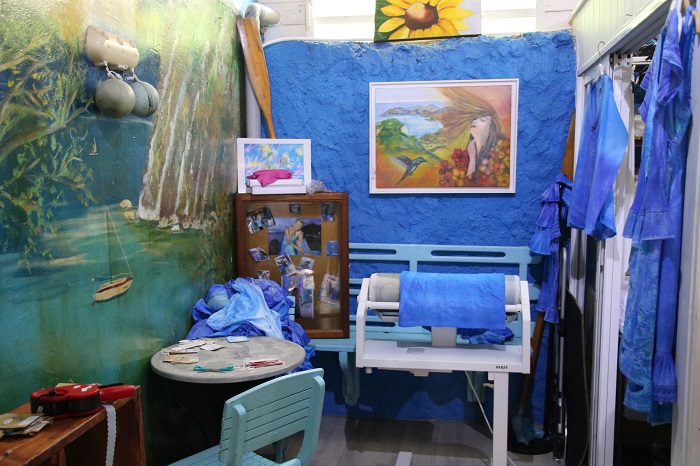
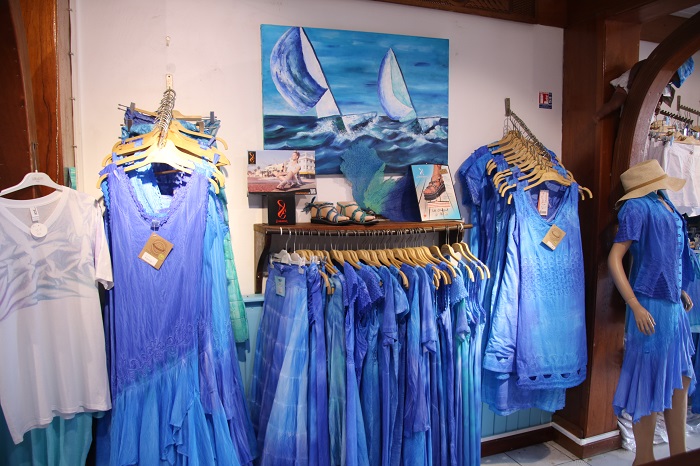
3-26-17a 038

3-26-17a 034

Just east of Iles des Saintes is an island called Marie Galante.  According to legend, Columbus had already used the names of all the saints that he cared about, so had to resort to some other source for a name for this island. Marie Galante was the name of one of his ships.  There is an indigo dyer on Marie Galante, and I believe she uses the natural plant dye for her work.  I know nothing about her, but am certainly hoping that I’ll meet her next year!  She has a website and a facebook page called Maison de l’Indigo.

Another island we did not get to visit this year is Montserrat, which still has an active volcano on it, Soufriere Hills–the only active volcano in the Leeward Islands, and perhaps in the Caribbean. The original settlers were Irish, and today Montserrat is known as the ‘other emerald isle.’

I have heard there is a mother/daughter weaving team here who weave with sea island cotton. I found Sophie Bufton’s description about her visit to the weavers. This photo is from Bufton’s site.

What I learned from this limited and torturously slow internet search is that the sea island cotton on Montserrat had the longest fibers of any cotton in the world, and that was due to the volcanic soil on this island.  The cotton plants and the spinning factory were destroyed in 1995, the first eruption of Soufriere Hills which destroyed the capitol city of Plymouth where the spinning mill for the cotton was located. This eruption not only destroyed the cotton crop, but also two-thirds of the island.  In the early 2000s, the dome of the volcano collapsed, after a few more years it seemed that the volcano had become inactive.  In 2006, there began to be activity, and another eruption in 2008, has put that theory to rest.    Yet it appears that the weavers are still working with sea island cotton.  I’ll write more when I can get better access to the information.

The internet can be such a treasure trove.  I found this stamp with an image of a spinning ginny and a young Queen Elizabeth.

Madras fabric, originally from India, is considered the national dress of several of the islands in this area — Guadeloupe, Martinique and Dominica.  You can buy almost any kind of souvenir in madras, including plastic key chains and serving trays.  Our granddaughter Tori will be getting a madras sun hat in a couple of weeks.

This part of the world holds a fair amount of geographical confusion for me.  We are in the Caribbean at large, but the particular area we have traversed this winter is known by several labels:  the West Indies, the Lesser Antilles, the Leeward Islands (as opposed to the Windward Islands).  It’s a lot to comprehend, and I just keep looking at the charts to orient myself.  We are in the southeastern part of Caribbean island chain, just before the chain heads due south ending at Trinidad, near Venezuela.  These islands are known as the West Indies because there were slaves brought here from India, and that culture has lived on in West Indian traditions such as food and music.  There is plenty of African cultural influence which melded with the India culture to create something entirely new.  There are so many labels that include ‘west’ and ‘east,’ and also also ‘leeward’ and ‘windward’–how can I keep up??
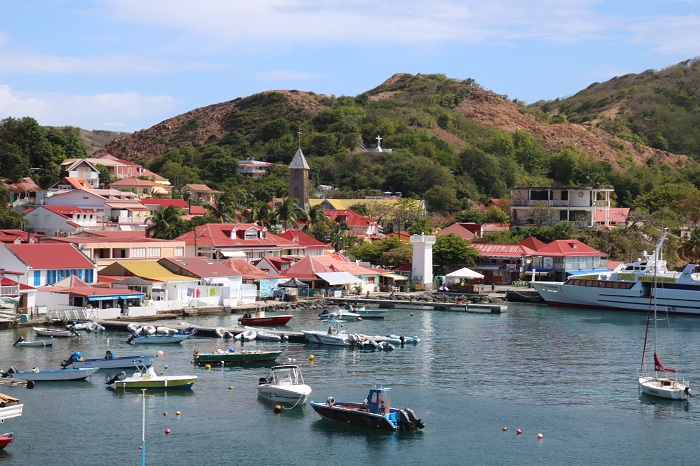
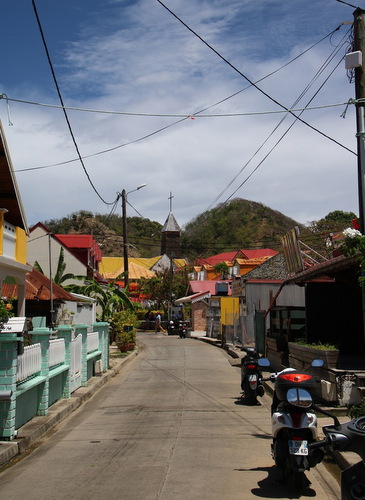
A few days in Iles de Saintes

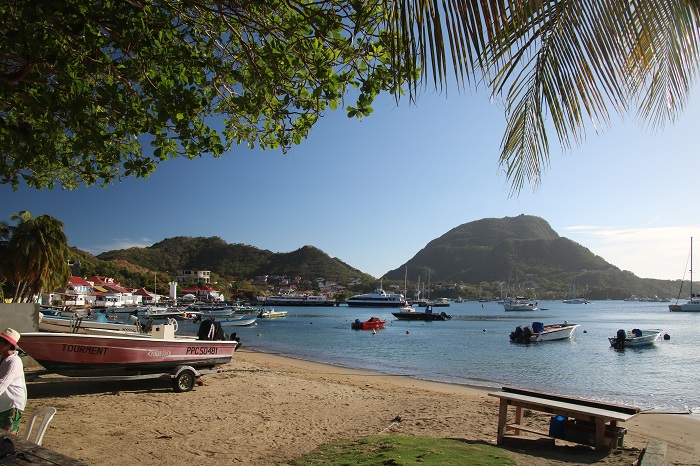
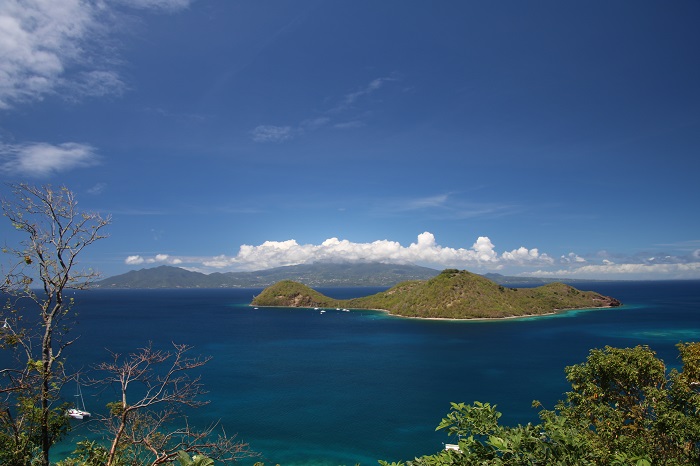
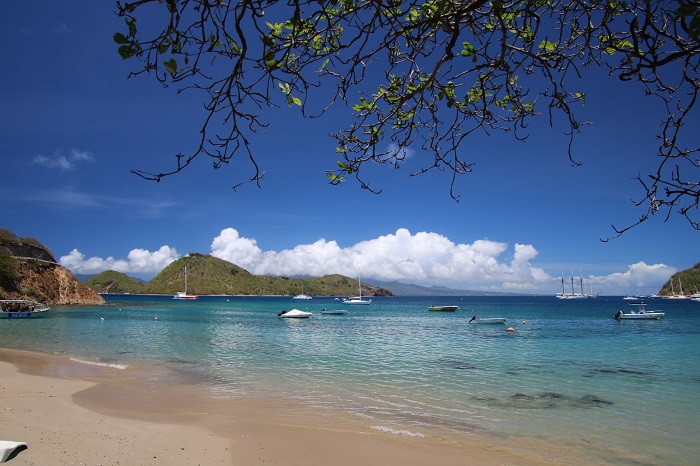
We sailed to the archipelago of the Saintes that are just south of Gaudeloupe, about five days ago and have spent time in a couple of different anchorages among these idyllic islands.   It’s no lie that the farther south you go the more pristine the islands become!  For the past several days we’ve been on a mooring off this charming village on the island of Terre de Haut.

The town is nestled into the shoreline with mountains rising up all around it.

3-28-17a 036

There are several markets and boulangeries, so we’ve been able to buy French cheeses and olives and plenty of baguettes!  There are wonderful restaurants as well.  As with most of the villages we’ve visited, the church tower dominates the skyline.

1-3-26-018

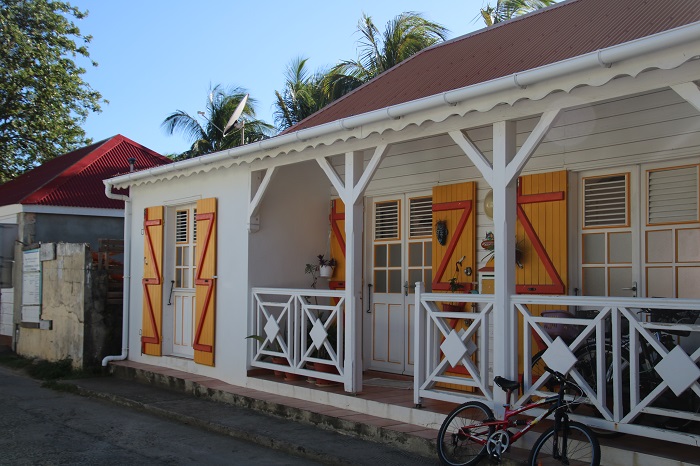
Typical island structures are brightly painted homes with a bit of gingerbread trim.

3-26-17a 026

3-26-17a 040

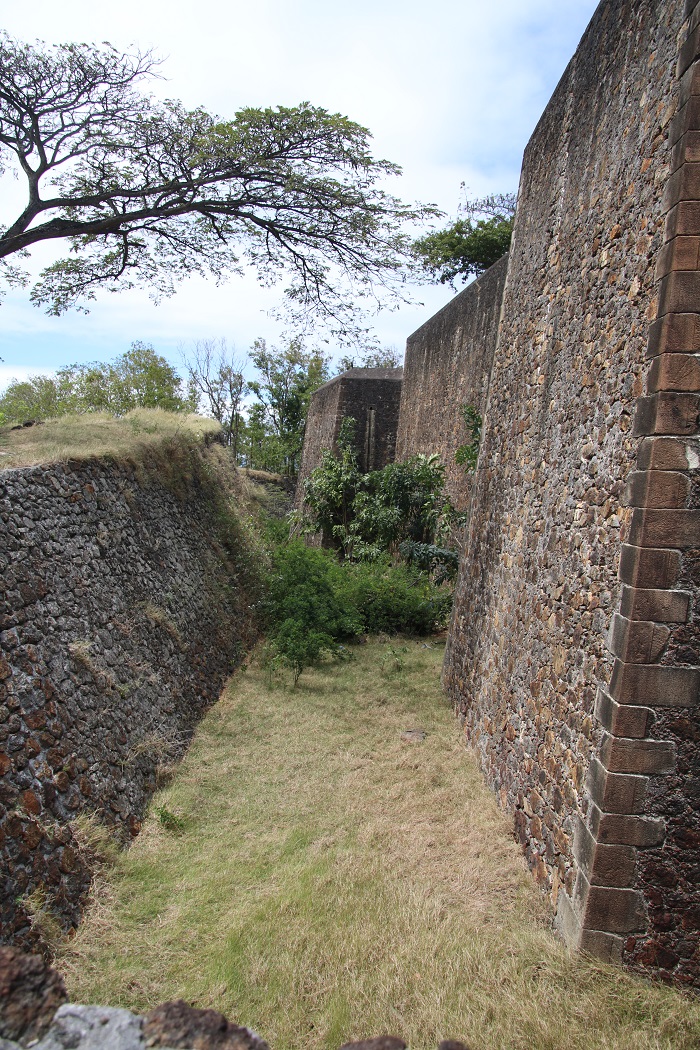
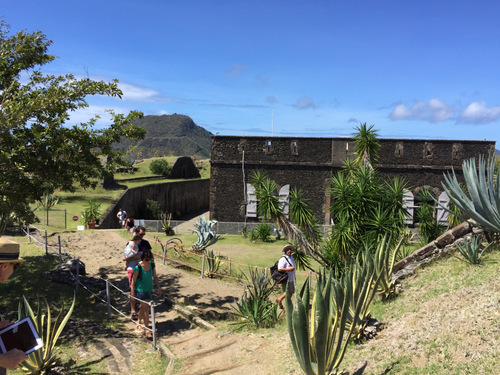
3-26-17a 030 Just above the village is one of the highest points of the island, so naturally that was a good choice for a fort.  It is Forte Napoleon and it has been very well preserved and houses a museum.  Yesterday we rented a golf cart with fellow cruisers Corey and Dale aboard Hi Flite, to visit the fort and tour the rest of this small island.

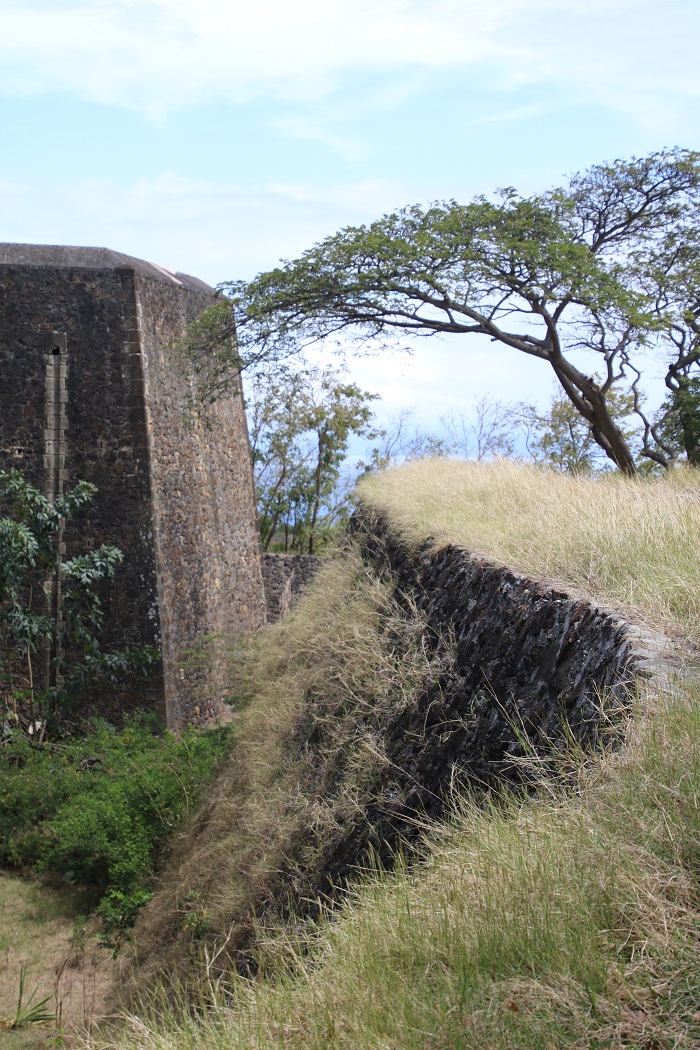
Here is the dry moat that used to protect the outer walls of the fortress. The inner castle is dated 1867.

3-28-17a 009

3-28-17a 027

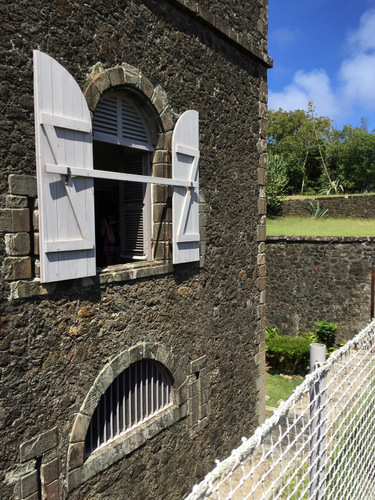
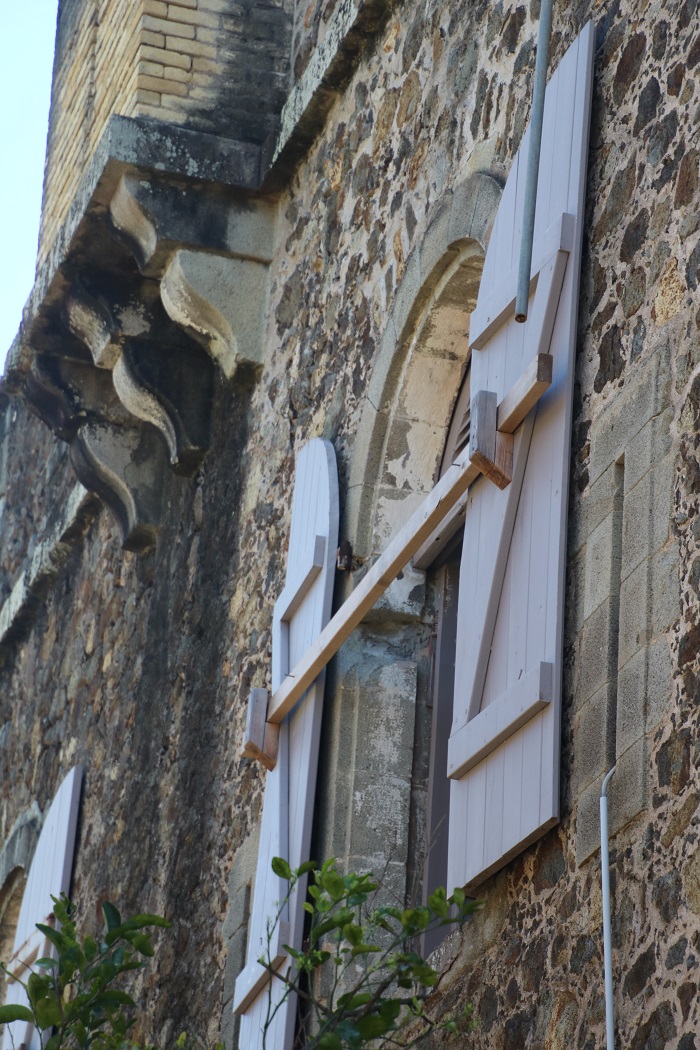
The museum that is housed in the inner castle has very little information on the fortress itself, and focuses on island history instead.  I would like to know a lot more about this fortress so I’ll look into it when I can.  Meanwhile, although the building is barely more than 150 years old, the techniques used to build this impressive structure are much older.

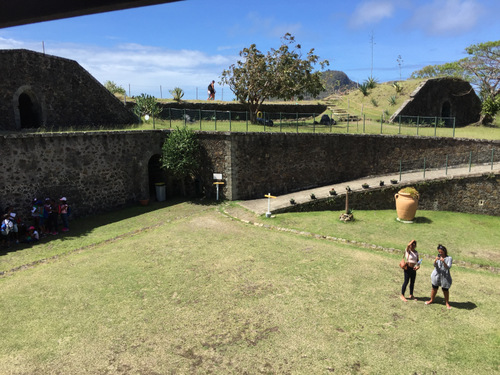
The grounds within the keep.

01-IMG_3243

07-IMG_3255

08-IMG_3256

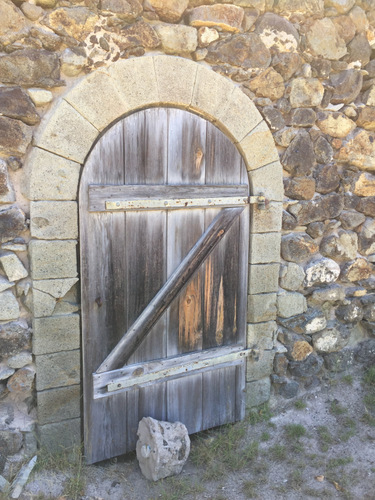
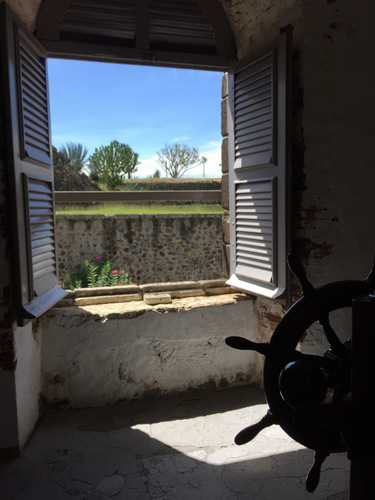
I can’t resist windows and doorways and views from both–

06-IMG_3254

05-IMG_3252

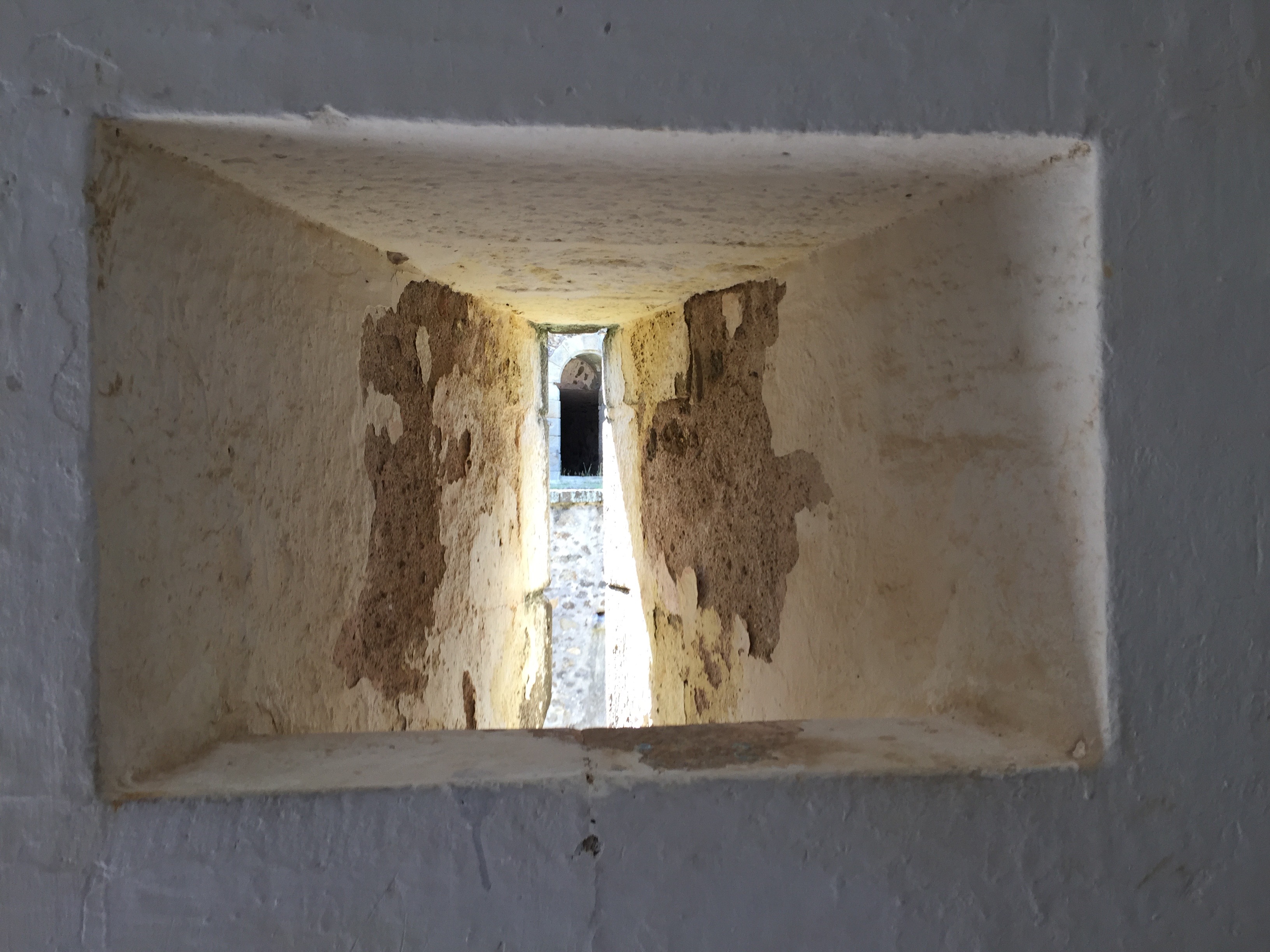
–especially this view through a narrow gun slit that looks across the way into another narrow window.

IMG_3251

1-IMG_3246

3-29-17a 059

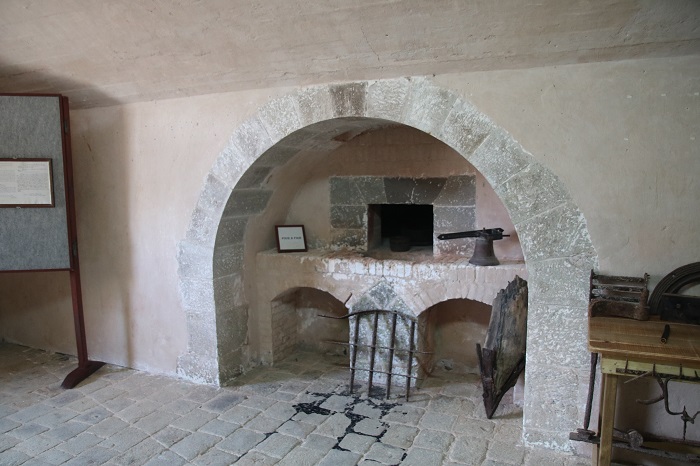
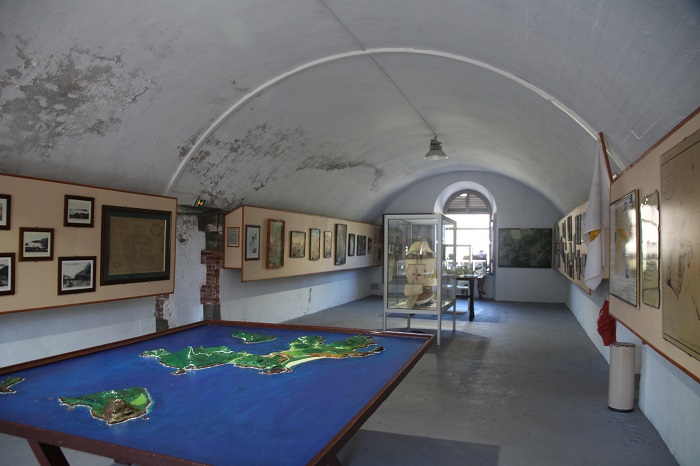
Here are some of the interior rooms now used for displays.  This is the hearth in the kitchen.

3-29-17a 014

3-29-17a 021

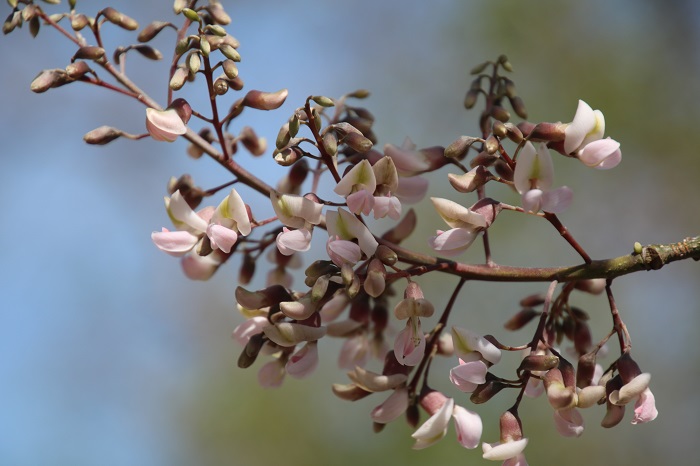
The grounds were beautifully kept, and there is now a project underway to create a botanical garden of ancient native plants.  Here is one flowering tree.

3-28-17a 032

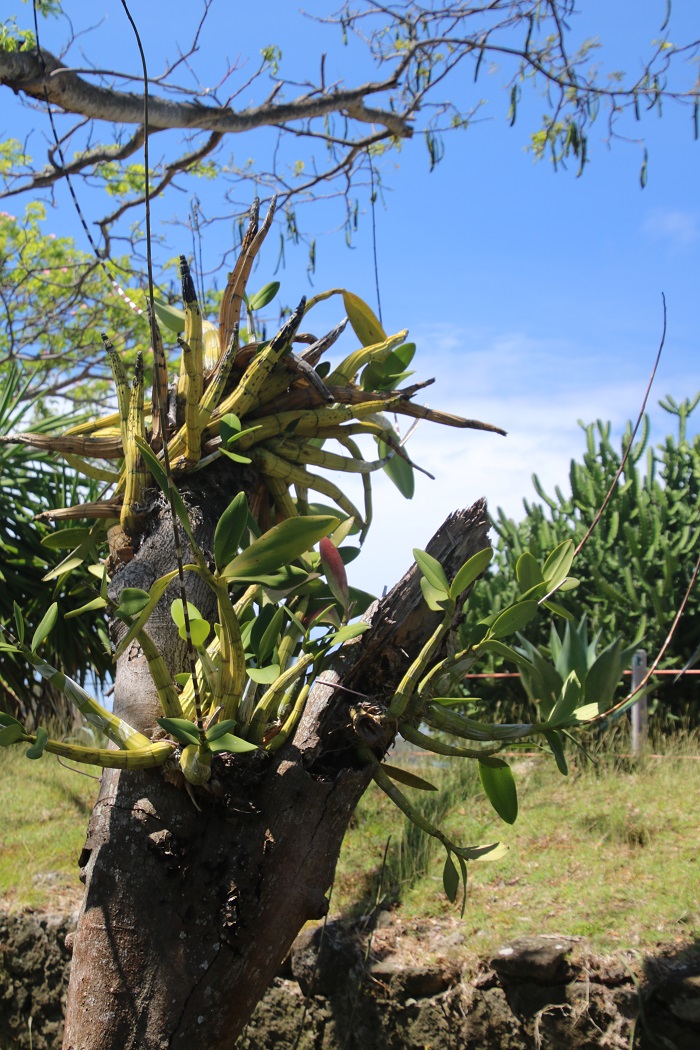
There were plenty of bromeliads and epiphyte orchids with large bulbs and very long flower spikes.  Bob thinks they are encyclias, but we could not find any nursery personnel to answer our questions.

3-29-17a 057

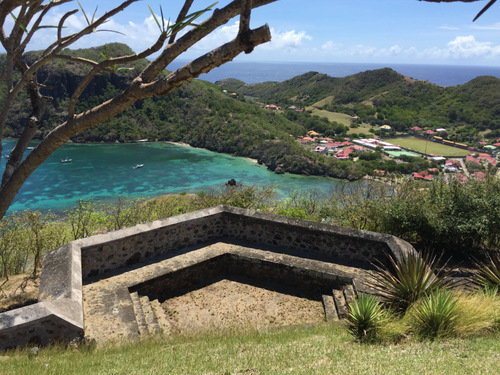
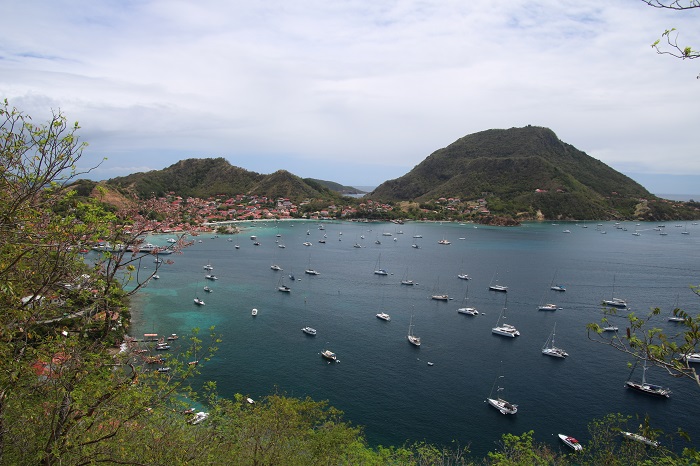
The views from the fortress covered most of the shoreline of Terre de Haut.  It would have been easy to defend this island from this vantage point.  Here we are looking down into the mooring field where Pandora sits off the village of Bourg des Saintes.

3-28-17a 001

3-28-17a 006

3-29-17a 066

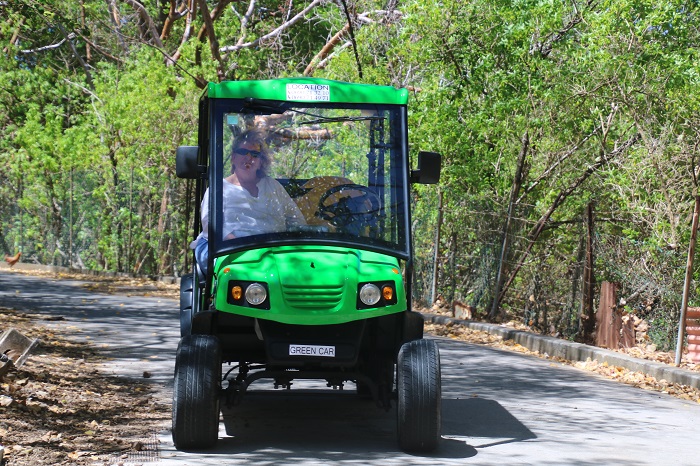
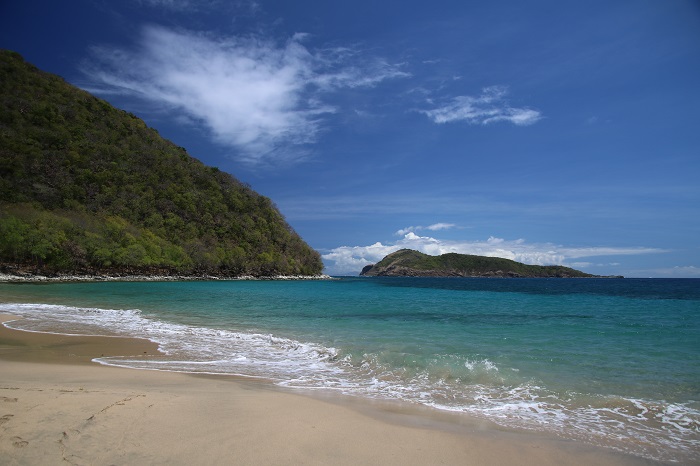
The rest of the day we drove along all the roads we could find through island.  Terre de Haut is ringed with beautiful beaches. Here is our chariot of the day.

3-29-17a 081

We had lunch on a vibrantly colored pink and green patio cafe overlooking this beach.

3-29-17a 065

3-29-17a 075

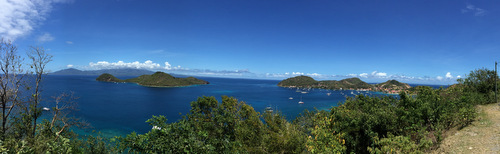
We stopped along the road to take this panorama. You can click on it to ‘biggify.’

10-IMG_3259

We ended the day with a collection of driftwood and sponges from the beaches for me, which I hope will help my friend Mary create some beach themed centerpieces for our upcoming bobbin lace retreat.  Corey got a great cache of sea glass, and we both picked up a few shells and sea urchins.  We returned tired and happy, and got together for sundowners with Carol and Bob from Oasis, who left this morning to sail to Dominica. We hope to follow them tomorrow.  It was a very full day of sightseeing that left us wanting to know more about the history of this place, but well sated in beach combing and good food.


Colore Jardin de Botanique en Deshaies

This is the most scenic place we’ve visited so far this winter.  The mountains rise all around us, and there is the pristine little village of Deshaies nestled against the protective shore in this northwest corner of Guadeloupe.  The pretty church tower rises above all the other buildings in the village, and the whole vista seems like an illustration from a fairy tale.  I must not be the only one who thinks this, since this is the place where the popular crime series, “Death in Paradise,” is filmed.  I haven’t seen any of the episodes yet.  Isn’t it cruel that I will have to wait until I get home to watch a tv show about the place I am currently visiting!

Guadeloupe is two islands sitting very close together with a small opening between the two.  One island is very steep with volcanic mountains, and the other island is quite flat.  Seen from above the two island together look like a lopsided butterfly. Ironically the mountainous island is called Basse Terre, and the flat island is called Grande Terre.

Guadeloupe is one of several island called “the islands that brush the clouds,” along with Antigua and Dominica.  The clouds are full of moisture which contribute to daily rain showers and lush greenery that includes rainforests.  There are some significant waterfalls on Guadeloupe.

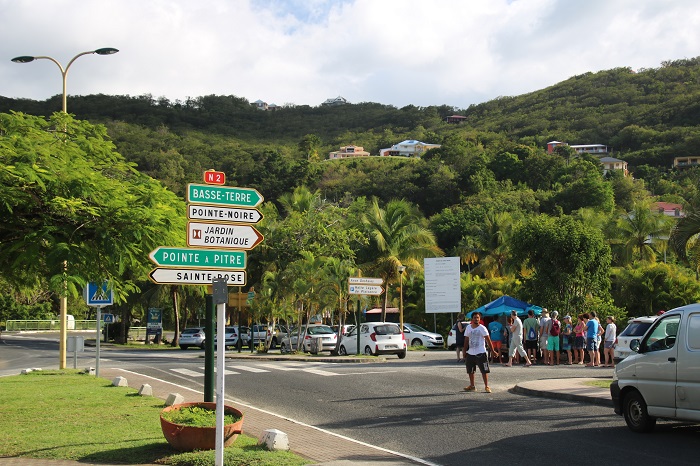
When we found out that there is a botanical garden in Deshaies, we were determined to visit. You can walk up the very steep road to the garden, or you can call them and they will send a van to pick you up. Since we do not speak French, we were lucky to have a shop owner call for us.  The van met us at the main crossroad that heads out of the village.

3-22-17a 133

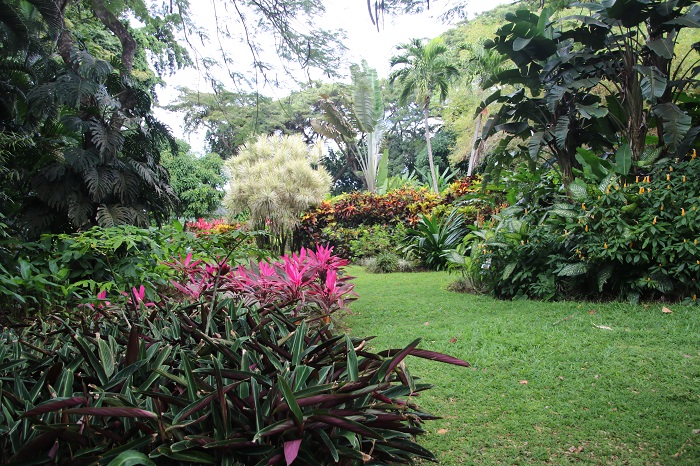
It was quite an experience!  The gardens are well maintained and wonderfully designed.  There are tropical plants in abundance, and also plants from other exotic places around the world.

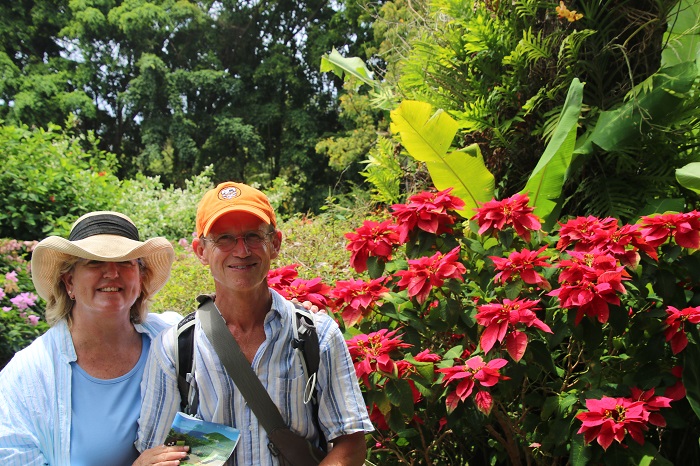
We met some fellow cruisers, originally from Colorado, who live aboard their boat Hi Flite.  It turns out we have many cruising friends in common, and have been hearing each other on various SSB networks–that is, before our SSB died.  It was nice to finally meet them, and they took this photo of Bob and me standing in front of a large specimen poinsettia!

3-22-17b 068

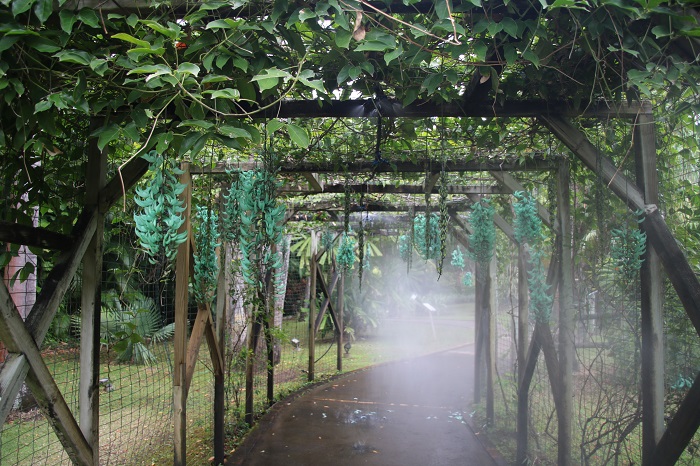
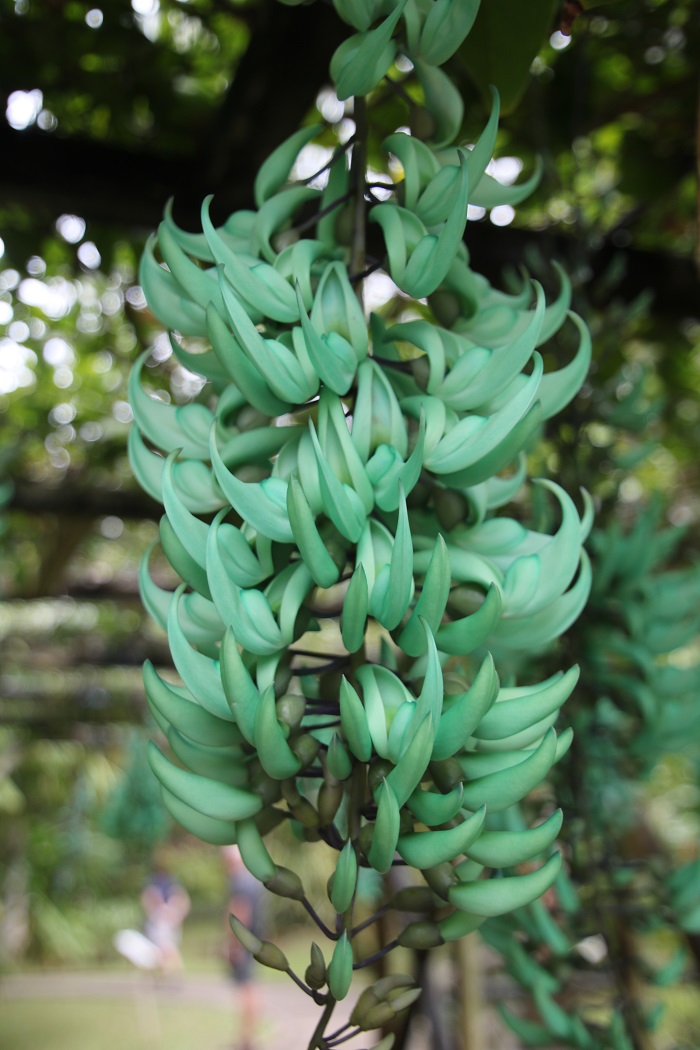
The same was true of rex begonias and angel wing begonias–they grow as big as hedges in their natural habitat!  There were all kinds of large specimen growth plants that I’ve only ever known as potted plants…. deiffenbachia, schlefferia, phalaenopsis and paphiopedilum orchids, bromeliads–well, if I named them all I’d never stop typing.  The plant that impressed me most is a vine from some region of Africa that I see every time I visit the New York Botanical Gardens (the one in the Bronx, not Brooklyn).  It is a lush vine that has long drooping flowers in a truly nasty, unnatural shade of aqua.  But, of course it is perfectly natural.  Whenever I visit the gardens in New York someone always has to have their photo taken in the midst of these strangely colored flowers.

3-22-17b 114

3-22-17b 116

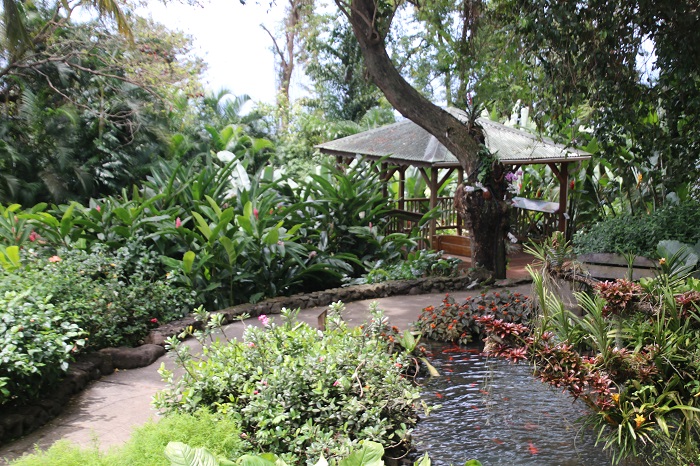
There were some beautifully designed landscapes.

3-22-17b 102

some with secluded places to sit to admire the views.

3-22-17b 110

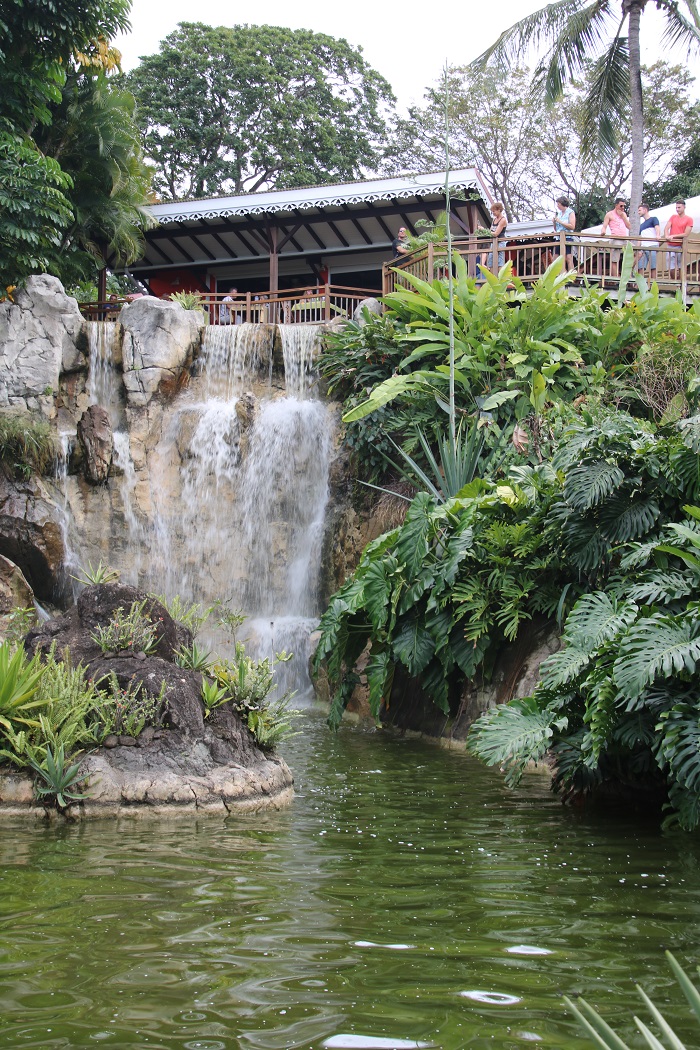
The water features were run by electric pumps, but the water came from a natural spring and was wonderfully icy cold in this tropical climate!

3-22-17b 108

We made plans to meet our new acquaintances from Hi Flite for lunch at the restaurant at the top of this waterfall and spent some time getting to know each other and finding all the connections we had in common.

3-22-17b 076

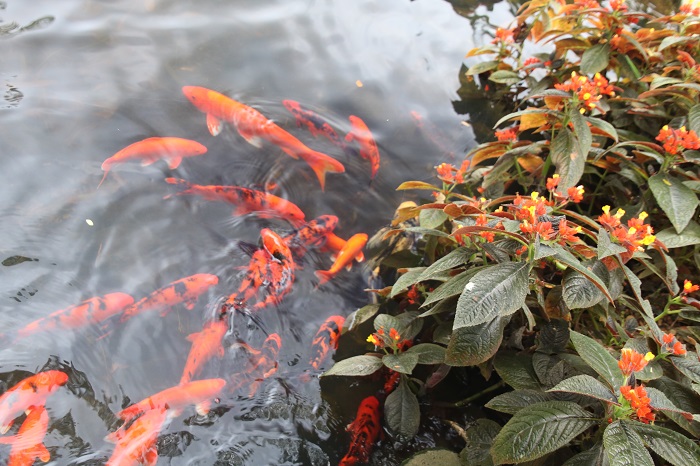
The coi match the plants at the edge of the pond–a familiar potted plant in northern nurseries.  At the moment I can’t remember the name, but you will know it.

3-22-17b 105

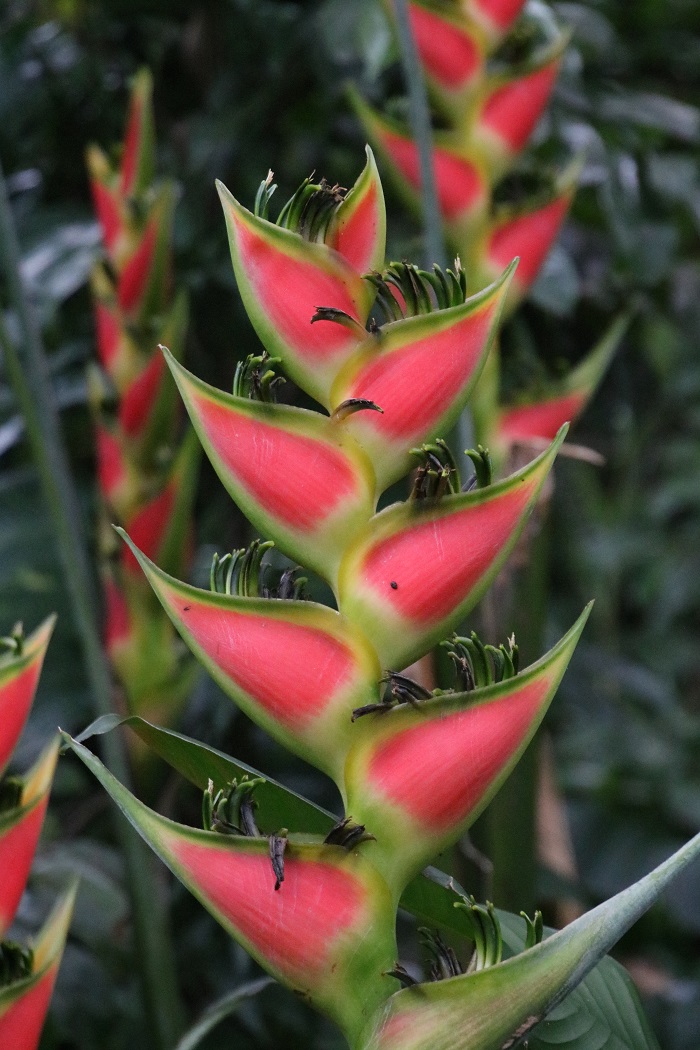
All through the gardens there were stands of this bromeliad that is well known for it’s colorful flower stalks.  The flowers were all spent but the plant is better known for the stalk than the flowers anyway.

3-22-17b 101

Here is a banana in flower and starting to make fruit.

3-22-17b 129

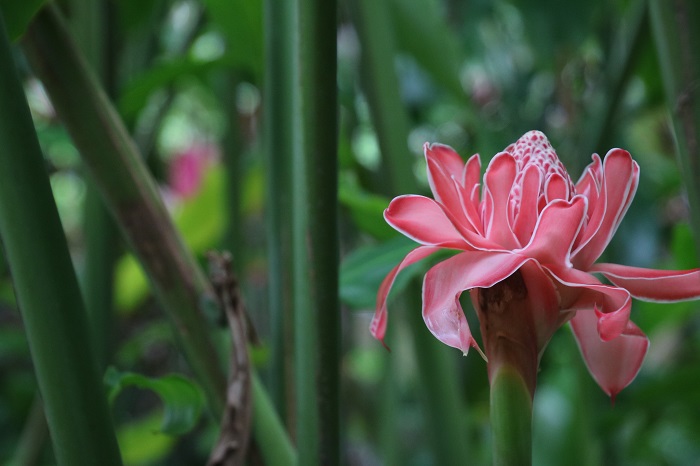
There were several stands of these large plants, and you could walk into them, like walking into a grove a bamboo.  But these were not anything like bamboo.  They were starting to flower with large pink flowers on tall stalks–chest high.  I wanted to make a point of remembering the name of this impressive plant, but now that name is long gone! It’s a ‘rosa something.’ The flower is larger than a baseball….maybe larger than a grapefruit.  Stunning.

3-22-17b 086

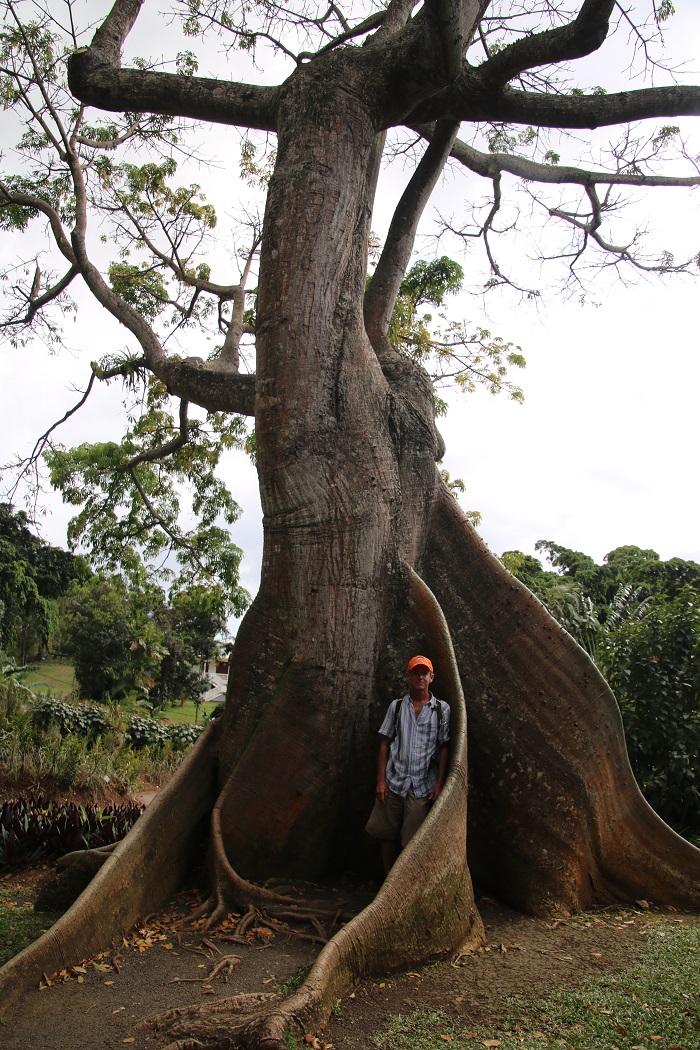
Here is Bob standing in the midst of a kapok tree.  Remember kapok?

3-22-17b 123

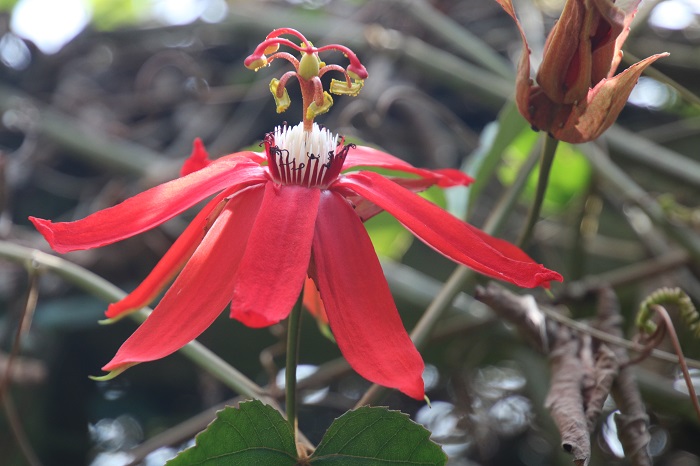
There was an entire arbor of red passion flowers, just coming into bloom.

3-22-17b 128

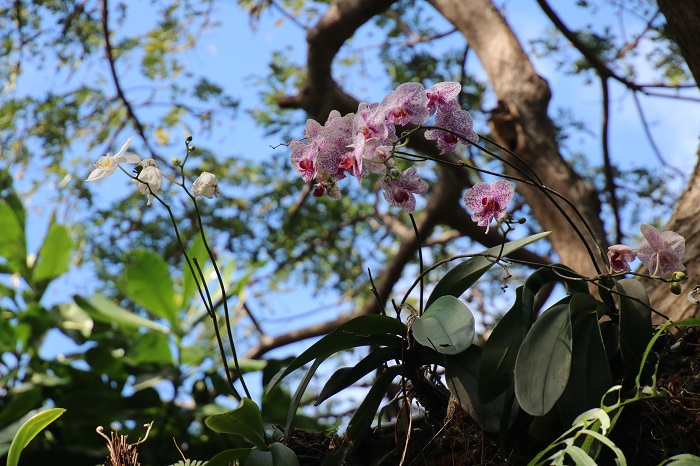
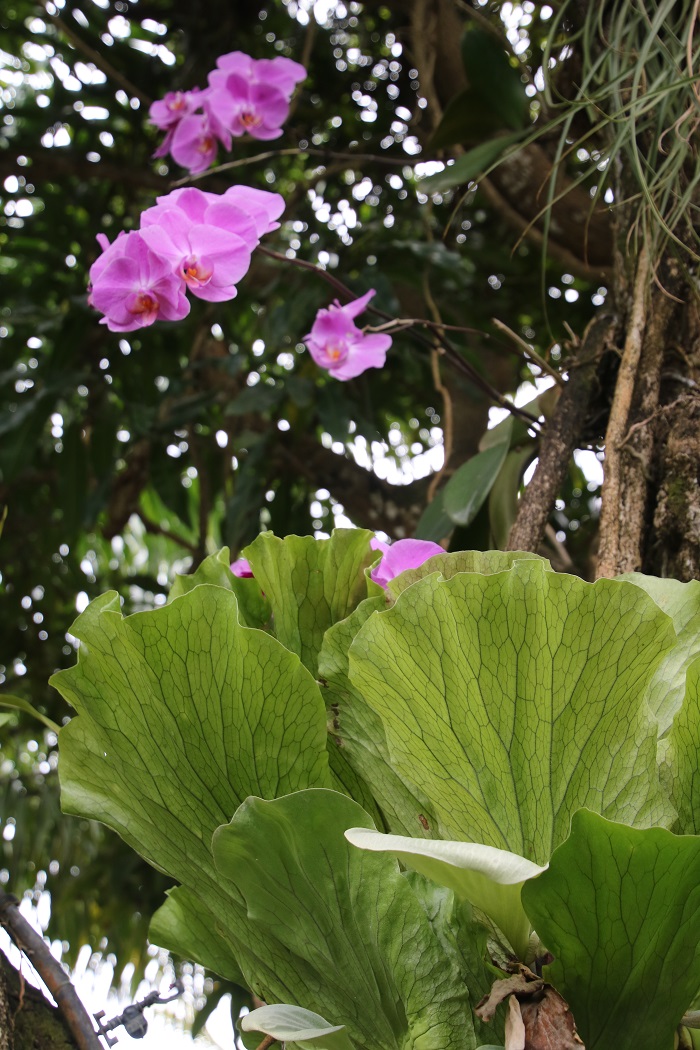
And there were so many phalaenopses and bromeliads growing on trees.  Some of the phalaenopses were clearly meri-clones of new hybrids that have become so popular–with strange color breaks that have never occurred in nature.  It did not seem natural to see them in a garden setting, but then neither did that strange aqua flowered vine that does occur in nature.

3-22-17b 131

This is the healthiest staghorn fern I have ever seen.  I wanted to take a piece…actually, I was terribly tempted to take many things.  I don’t have any plants onboard this year and I am sorely missing a little greenery.  There was plenty to choose from here, but I could not do it!  I was holding out that there would be plants for sale in the gift shop.

3-22-17b 084

And the birds!  What a feast of color!  There was a large aviary full of ‘parakeets’ like these. They were such a delight flying all over and around us.  They’d swoop down right next to anyone on the path–no fear at all.  They sang beautifully too.  Very mesmerizing.

3-22-17b 061

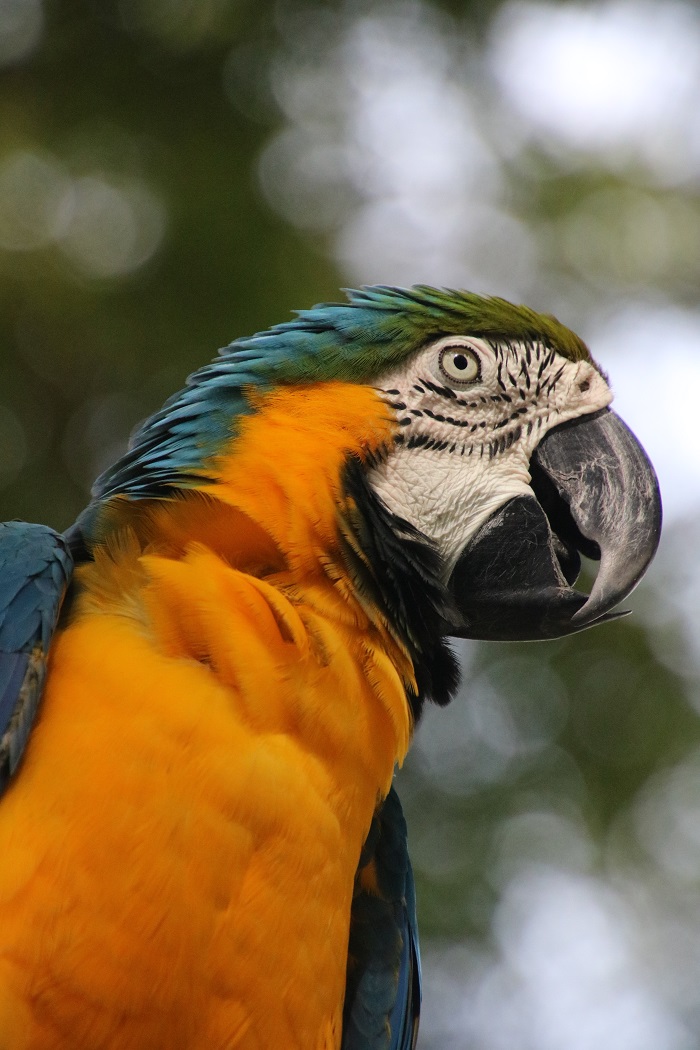
Then there were very large parrots outside at another part of the garden.  What keeps them in the park?  Having their wings clipped? What amazing colors.  I thought of all the feather tapestries I saw at the pre-Columbian textile exhibit at Yale last summer. How many birds would it take to make one of those tapestries?

3-22-17b 135

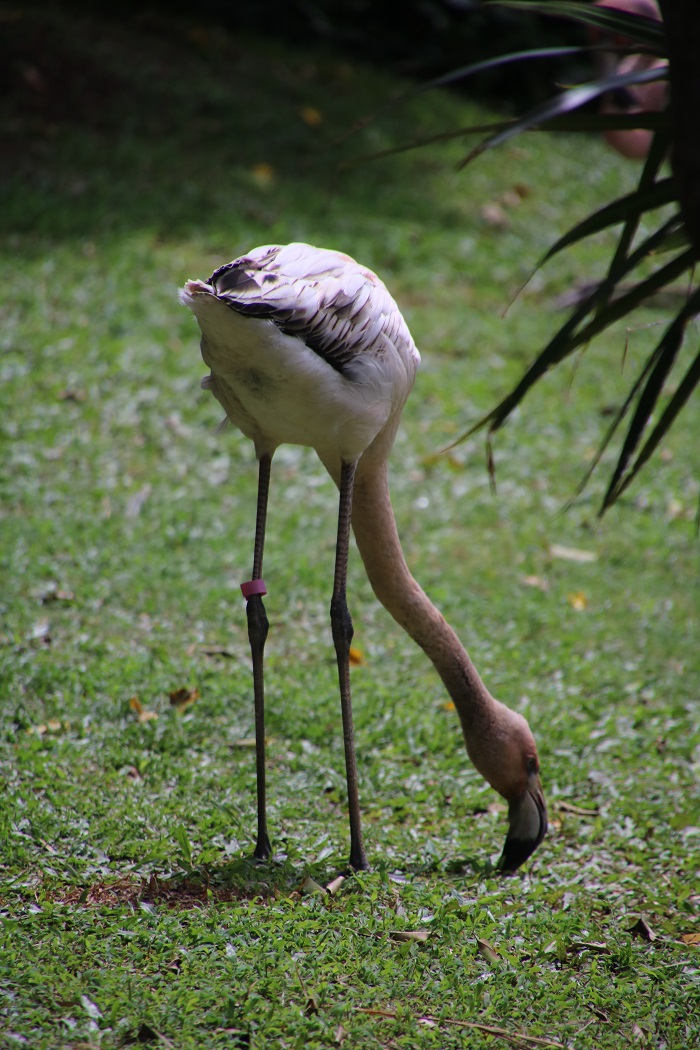
And there was a flock of not so colorful flamingoes.  Maybe there aren’t enough live shrimp for them on this island? Still, they are beautiful birds, whether deep coral or slightly off-pink.

3-22-17b 119

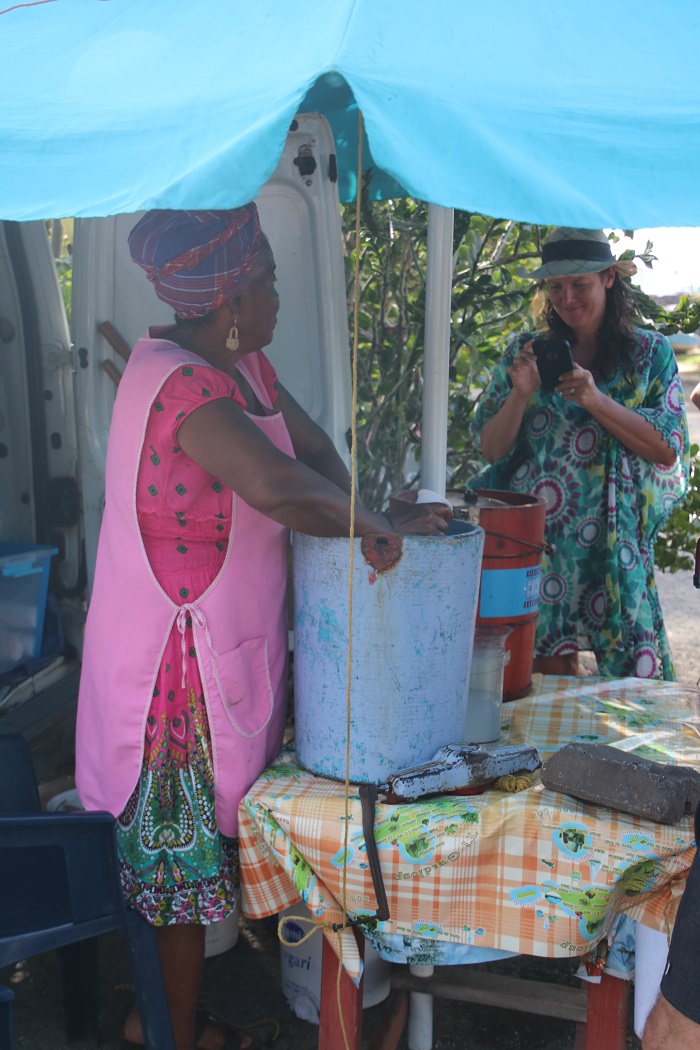
At the end of the day, when the van returned us to the crossroads, we found a local woman who set up a small folding table behind her car in a parking lot to sell ice cream.  She had two buckets of freshly churned ice cream that was selling fast as you’d expect on a tropical afternoon.  The choices were something off-white and something deep raspberry red.  I asked what flavors and she replied “coco” and something that sounded like ‘rose,’ (with an accent on the final ‘e’).  I asked again about the rose.  I asked if maybe it was framboise since it looked so raspberry colored.  No, she said rose again.  She said it several times, and others who were waiting in line piped in too with more and more hand motions.  I guessed cerises, and fraise, and everyone continued to say what sounded like rose to me.  Bob got his double scoop, one of each flavor, and we headed off to sit on the rocks along the beach.  I had a few tastes and thought the tangy red flavor was  wonderful.  Suddenly I realized she had a small chalk board next to her table and the word on it was ‘griseille.’  Why did no one point to that sign during all my chatter?  I swear I never heard anyone pronounce that ‘g.’  I guess I have a lot to learn if I’m ever going to understand spoken French!  It was red currant!  Yum!

3-22-17a 136

Everything about Deshaies is about as colorful as the botanical gardens, and I’m loving it!  In the end, when we got to the gift shop there were only four very sad looking cacti for sale.  As desperate as I am for a green plant onboard, cactus doesn’t even come close to tempting me.  That gift shop was the first place I noticed that everything with the word “Guadeloupe” machine embroidered on it as a souvenir, was made out of a bright madras fabric, or was printed to look like the same madras fabric that was on all the textiles.  It seems to be the national fabric of Guadeloupe.  Maybe their flag is even madras.  I don’t know because they fly the French flag, but surely they have their own flag too.  Madras is big here, and it made me realize that this is part of the history of the West Indies.  It is not only influenced by the flavors of their food, but also the textiles from India.  It’s all very colorful.


Antigua to Guadeloupe, from English Charm to French Shabby Chic

We left Antigua more than a week ago, and I have not had internet until now.  Bob has had better luck than with that than I have.  Isn’t that weird??  He’ll be sitting next to me able to get email and write a blog post while my computer will not connect.  The mysteries of cyberspace…. especially the mystery that his ancient clunker of a PC works so much better than my moderately middle ages Macbook.  Hmmm…
Guadeloupe is the most beautiful island I have ever seen!  Some of our cruising friends have told me that Antigua is the beginning of the ‘real’ Caribbean, and that every island gets more and more beautiful as you head south.  I really cannot imagine that.  We spent almost a week in the small harbor of Deshaies (pronounced DAY ‘Eh–reminds me of a certain Caribbean song made famous by Harry Belafonte…how about you?) on the northwestern coast of Guadeloupe, and I was thoroughly enamored of the charming seaside village.  As we sailed in the mountains rose up all around us and a tiny bit of shoreline was dotted with colorful buildings, all with red roofs.  The scene was dominated by a white tower with a red roof that rose above all the other buildings.  No surprise that it is the Catholic church for the village.  We had arrived back in the land of baguettes and wonderful vegetables!

But before I talk about Guadeloupe, I should finish up with our last days in Antigua.  We rented a car to take Chris to the airport, so after we said our tearful goodbyes (for my part certainly), we took the rest of the day to explore parts of the island we could not get to on foot.

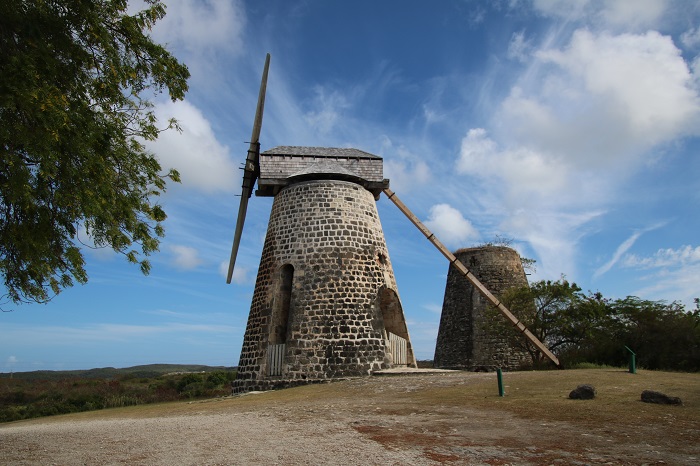
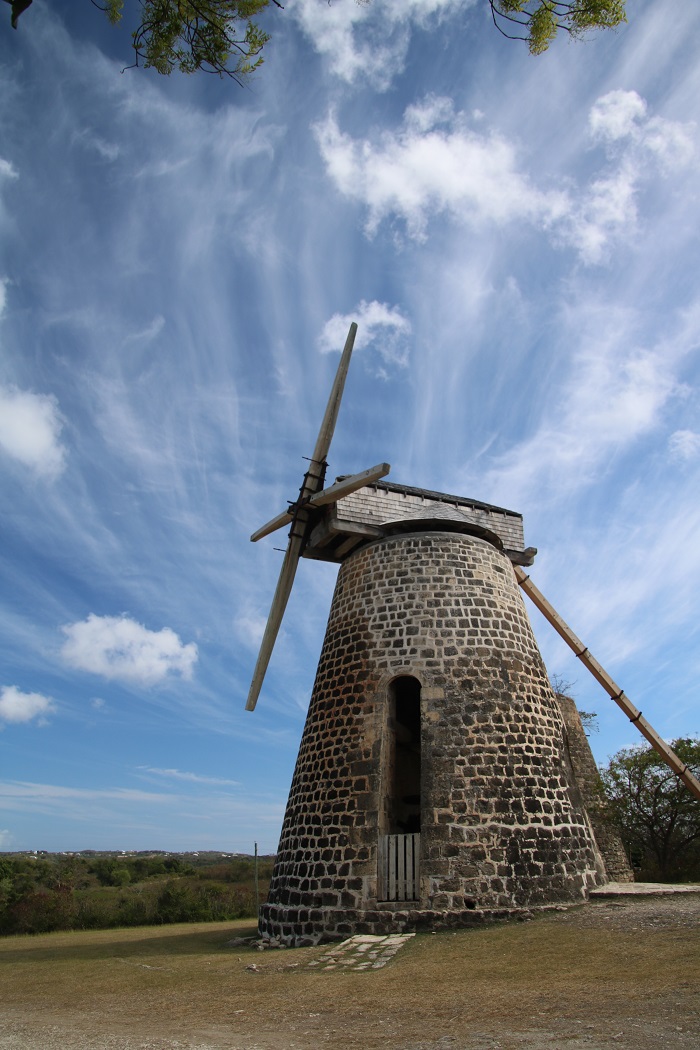
Betty’s Hope is a well known tourist attraction.  At some point in Antigua’s past there were about 600 stone windmills on the island, used to power the processing of sugar cane into sugar.  All these windmills were built by the hard labor of slaves and oxen.  There are still about a hundred windmills in various stages of decay on the island, but two at Betty’s Hope are beautiful examples. One has been restored to working order and is used to demonstrate grinding the cane on certain occasions.  While we were not there on one of those occasions, it was still very impressive to see the windmills.  Just to move the arms to face into the wind requires a lot of manpower and oxen power.

3-22-17a 111

Betty’s Hope was named for the daughter of the landowner.  I was disappointed to learn this.  I had hoped that the name was in honor of a slave woman, possibly the wife, mother, aunt, grandmother of several of the men who had built these windmills.  Well, so much for my romantic notions about the history of this place.  What on earth was this Betty hoping for?  A big sugar yield to make her family wealthier than they already were?  I can imagine so many more interesting hopes for a Betty who lived and worked the land with her family than for the real Betty.  Still, I bet there is some pretty interesting history here.  I would know more if we had internet!
3-22-17a 071

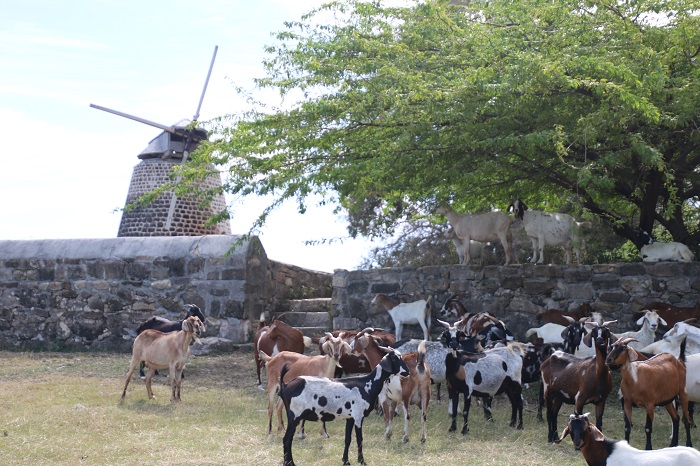
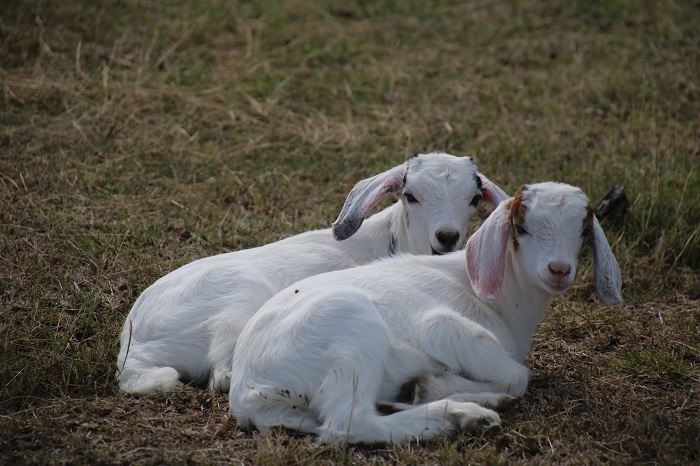
Betty’s hope is now home to a large herd of goats, which Bob and I enjoyed most of all!  There were lots of kids frolicking, even some newborns.  Baby goats are about as cute as babies get! Our new baby granddaughter, Tori, would have enjoyed them too!

3-22-17a 085

3-22-17a 096

3-22-17a 100

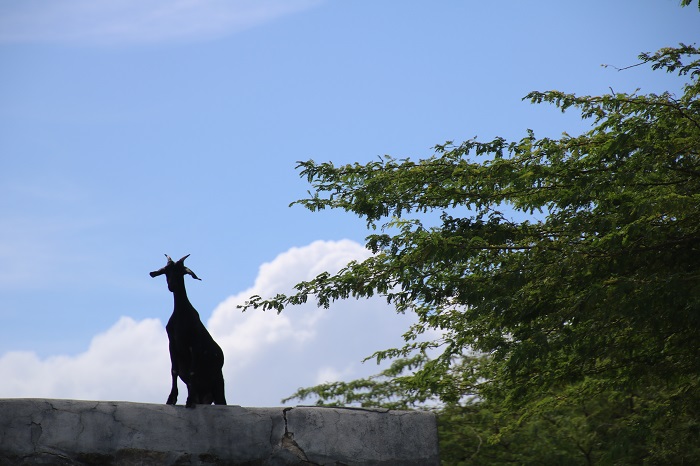
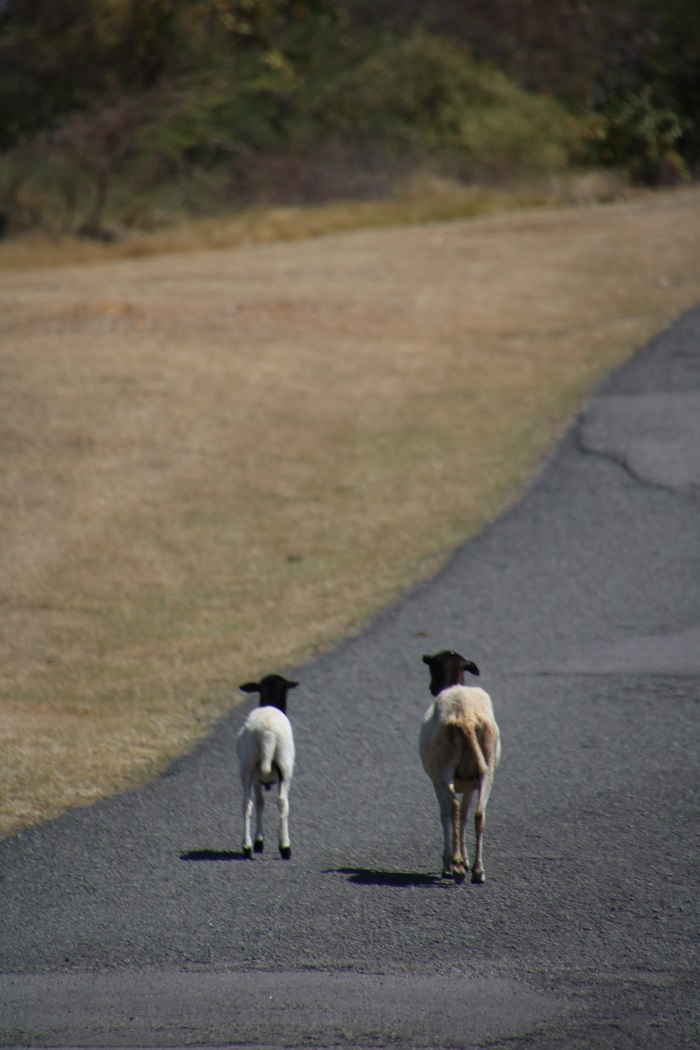
We have been so entertained by all the goats on Antigua.  There is large solar farm in the middle of the island where we saw goats eating the weeds around the panels.  This is their day job. Late in the afternoon the goats somehow know it’s time to go home.  They head out with no shepherd to guide them.  They know the way.

Bob and Chris encountered this mother and kid heading home after a day out.  Bob said the kid whined the whole time he and Chris were behind them.  Makes you wonder if kids complain about the long trip home, or the heat of the day, or even the two creepy humans following them, just like our kids might. The goat mother bore it without comment.

3-18-17a 036

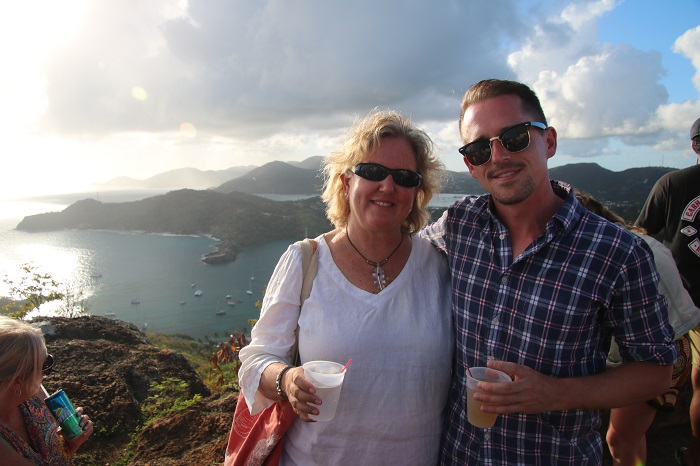
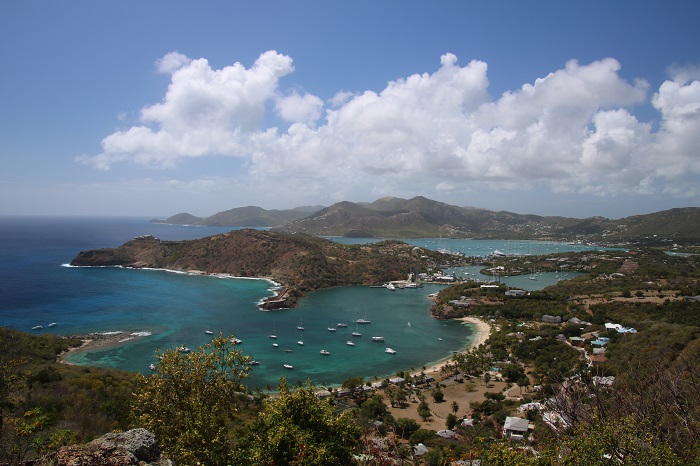
And speaking of kids, here is a scene from our last full day with Christopher before he headed back to his new home in San Francisco.  We took a cab up to Shirley Heights, right outside of English Harbour.  It’s a great place to watch the sunset, and every Sunday hundreds of people show up to do just that.

3-22-17a 040

With a view like this, you can see how popular it would be–

3-18-17a 043

–especially at sunset.

3-22-17a 070

Back to the day that Chris left– at the end of the day we drove out to the northeastern corner of the island to see something called “Devil’s Bridge.”  I had no idea what this might be, and so I was pretty awestruck to see this natural wonder.  It doesn’t look like it will last much longer, but that’s just conjecture on my part. Maybe it’s been in this almost crumbled state for a century already.  I know that people walk across this bridge, but I certainly wasn’t going to try it.  Bob didn’t either!

When we returned our rental car to a parking lot in Falmouth just around sunset, and I was feeling a bit sorry for myself to return to Pandora sans Christopher, we found that the local liquor store was having a tasting of French wines hosted by a French importer who lives on St. Martin.  It was a very nice distraction to an evening I was dreading!  All in all a wonderful last day on Antigua.

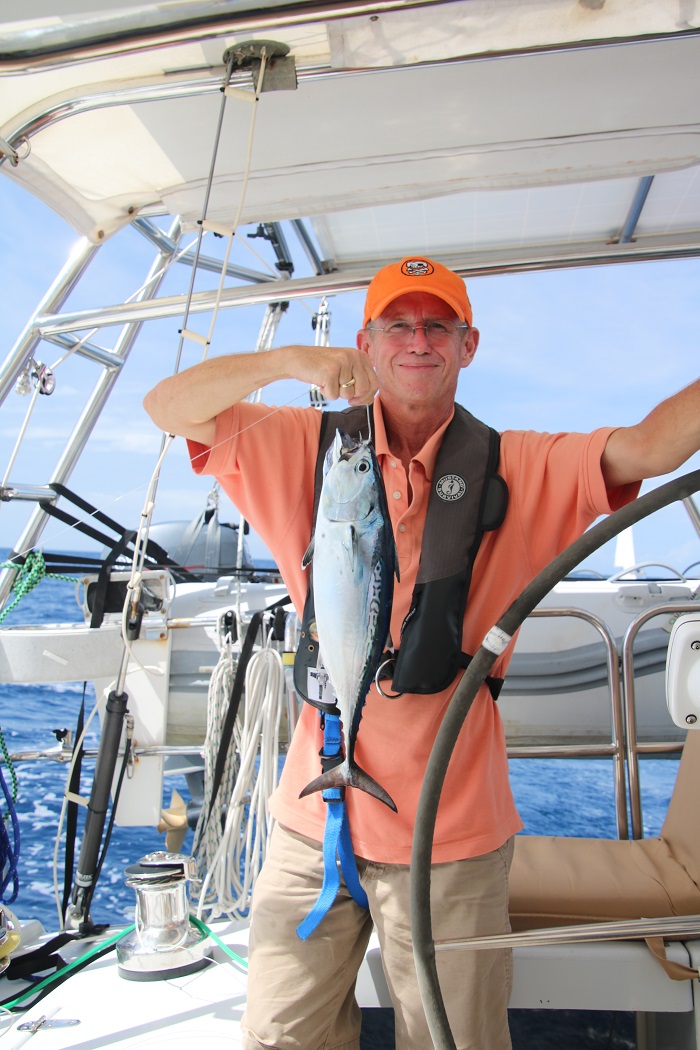
The next day we sailed about 50 miles to the pretty harbor of Deshaies on Guadeloupe.  Here is a bit of what we do when we have a long day at sea.  Bob fishes!  This time I was quite lucky that he caught a small tuna!  It’s no fun at all when he catches a king mackerel, and hardly fun when he catches a giant mahi mahi because we have to deal with a very large fish on a rather small boat!  This tuna was perfect for our appetites and our size boat!

3-22-17a 128

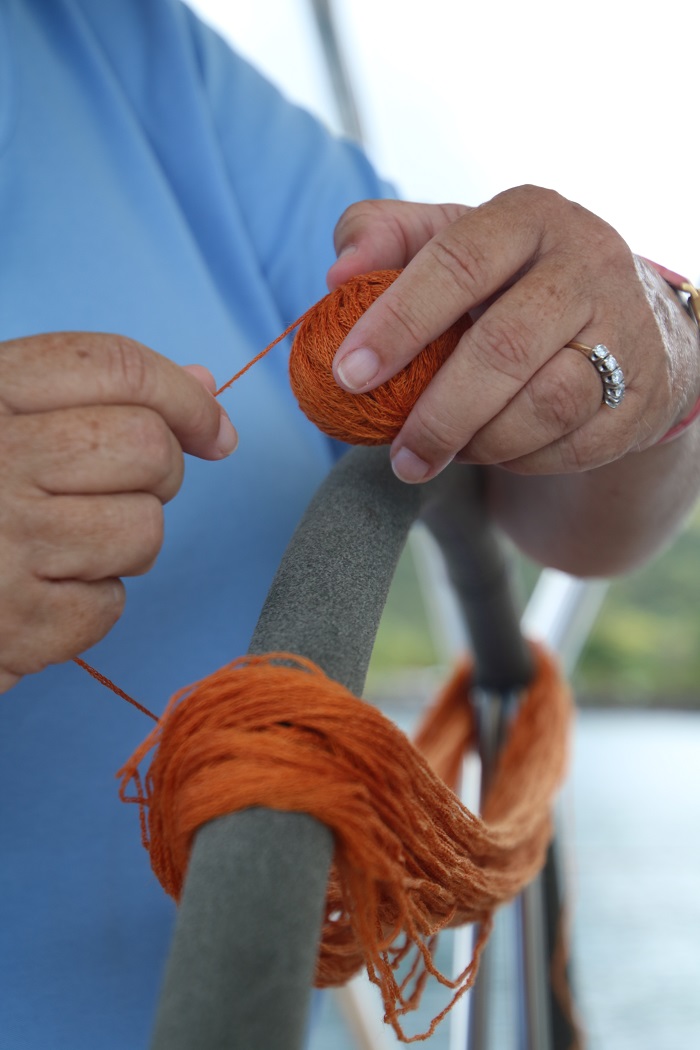
I worked on my orange linen sweater while we were underway, which sometimes includes winding a ball of yarn (Shibui linen) on the steering wheel.

3-22-17b 003

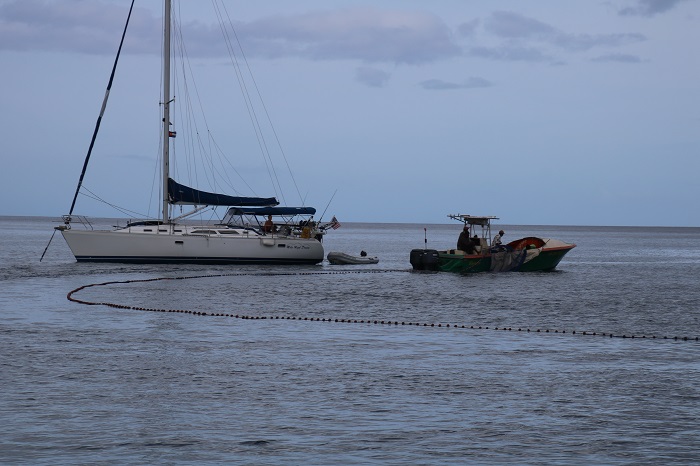
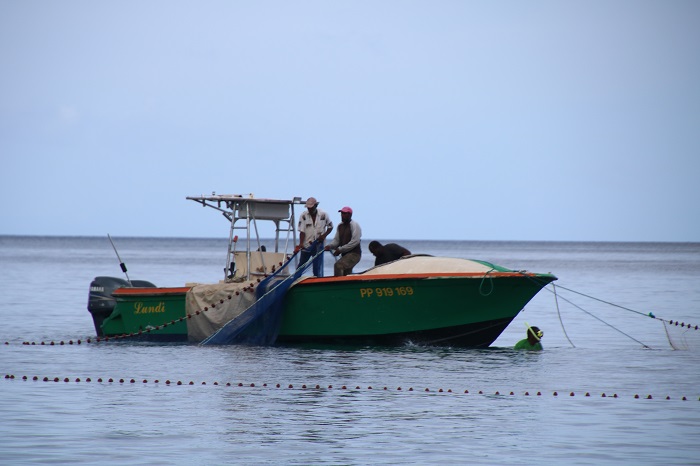
At mid-afternoon we arrived in Deshaies.  It was wonderful to be back in the land of French food.  There are plenty of tourists here, but also a big fleet of local fisherman.  The next morning we were given a first hand view of fishing with a purse seine right behind Pandora.

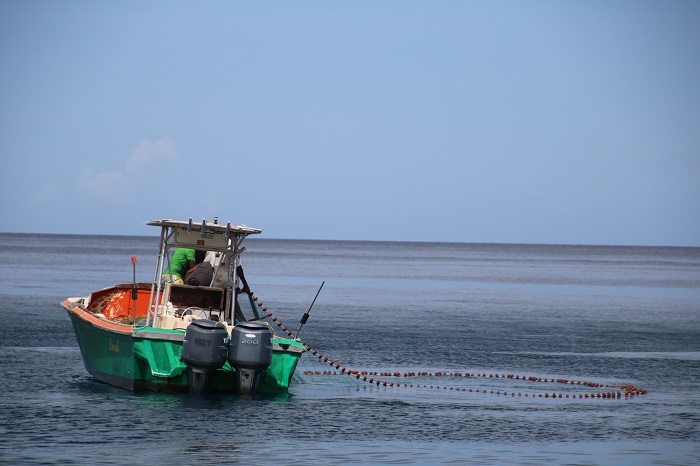
First the men dropped the net in a wide circle between Pandora and the boat behind us.  One of the crew jumped overboard wearing his shorts and t-shirt and snorkeling gear.  Perhaps he was checking on how the net was laying before the rest of the crew began drawing in the purse.  3-22-17b 006

As the crew began to draw in the circle of net at the water’s surface, the diver stayed at the opening.  We are guessing that by being there, he discourages any fish from trying to escape at the opening of the net.

3-22-17b 019

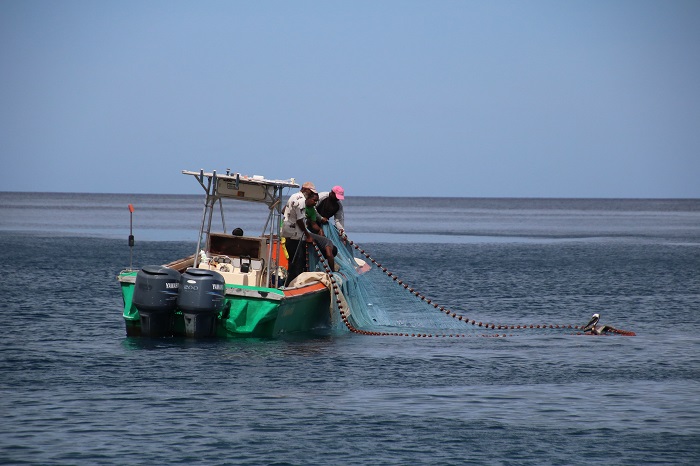
The crew began drawing in both the perimeter of the net on the surface as well as the purse at the bottom to trap the fish.  As the net closed more I could tell that this was very hard work. In fact, once both the top and bottom of the net was closed, the diver got back on board to help pull it in.

3-22-17b 026

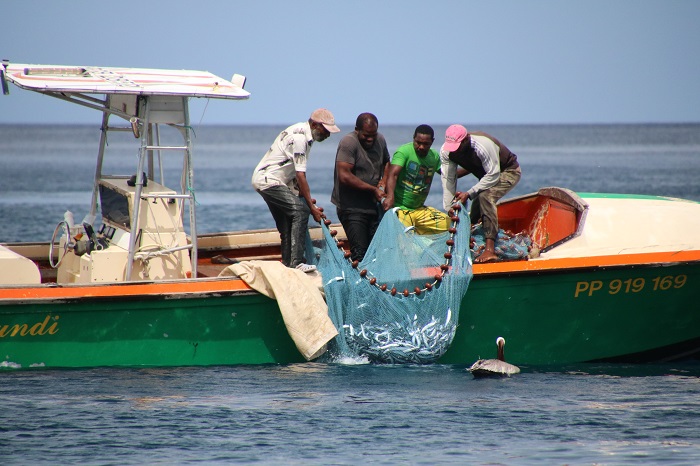
There is a pelican inside the net, helping himself to a bit of the catch.

3-22-17b 031

It was a good catch! My friend Maureen (Kalunamoo) told me that these fish get fried in strips and served like French fries.  I have not seen this yet in any restaurants. But, when we were ashore yesterday, we came back to our dinghy to find several pelicans diving right around the dinghy dock and three dead fish in our dinghy, just like the fish in the net.  There must have been a school of them being chased by larger fish and some jumped right into our dingy to escape certain death from the big fish– only to find themselves stuck in our dinghy.  Out of the fire and into the frying pan, as the saying goes….

3-22-17b 038

Experienced cruisers in this area, including Bill and Maureen from Kalunamoo, have told us that once you get to Antigua the islands just get more and more beautiful as you head south.  It’s hard for me to imagine this!  Both Antigua and Guadeloupe are so charming and scenic and dramatic with their ancient volcanic mountains–how can it get better?  I guess I will have to wait and see.

Daily Routines aboard Pandora

It’s Sunday morning here in Antigua, and it’s the first day of Daylight Savings Time on the US East Coast, so now we’ll be in sync with our family and friends.  No DST here in the islands.

I’ve got a load of wash going in our washing machine.  It’s been going and not going for about two hours now.  We keep losing power to our generator which is the only way the washing machine can run when we are not tied to shore power.  We are almost never tied to shore power, so we need our washing machine to work on the generator.  Bob has spent all morning trying to figure what might be wrong with the generator.  Meanwhile, I am beginning to worry that our sheets may not get on the bed by tonight if they end up hanging out to dry during the afternoon squalls that blow through here.  I like to have the sheets dry before noon, and now they may not even be out of the washing machine by noon!

During this time Bob is also washing the cockpit with fresh water and a brush–think swabbing decks from the old days!  I’m down below, out of the sun.  I’ve finished writing some emails and am turning my attention to an orange linen sweater that I set aside some months ago.

The yarn is Shibui linen, made of several very fine linen threads cabled together.  I chose an orange that is bright–but not too bright–like a happy pumpkin.  I am making a light weight, top-down, A-line, simple pullover.  How’s that for a lot of adjectives strung together?  The pattern is by Cynthia Parker, and I got the pattern and the yarn from Churchmouse Yarns.  Churchmouse is my absolute favorite online newsletter about knitting.  They send it out several times a month. They have such a great sense of style in their newsletters, and I always want whatever they feature, even tea and Emma Bridgewater pottery!  In reality, I can only afford to buy things they have on sale.  This color of Shibui linen was discontinued, and I think I was lucky to get enough to make the pullover.

4-IMG_3228

Here is the finished sweater as shown on the Churchmouse website.  I have adjusted my version to make it more A-line, to nix the pockets since they would not actually be useable on such lightweight fabric, and to add a bit of length to the sleeves.

Later when I knuckle down to knitting for the afternoon, I will plug in to my earbuds and listen to The Muralist by B.A. Shapiro.  Not a bad way to spend an afternoon when you live on a boat and want to stay out of the tropical sun.  Not a bad way to spend an afternoon anywhere. I loved her book The Art Forger, so I have great hopes for enjoying this one too,

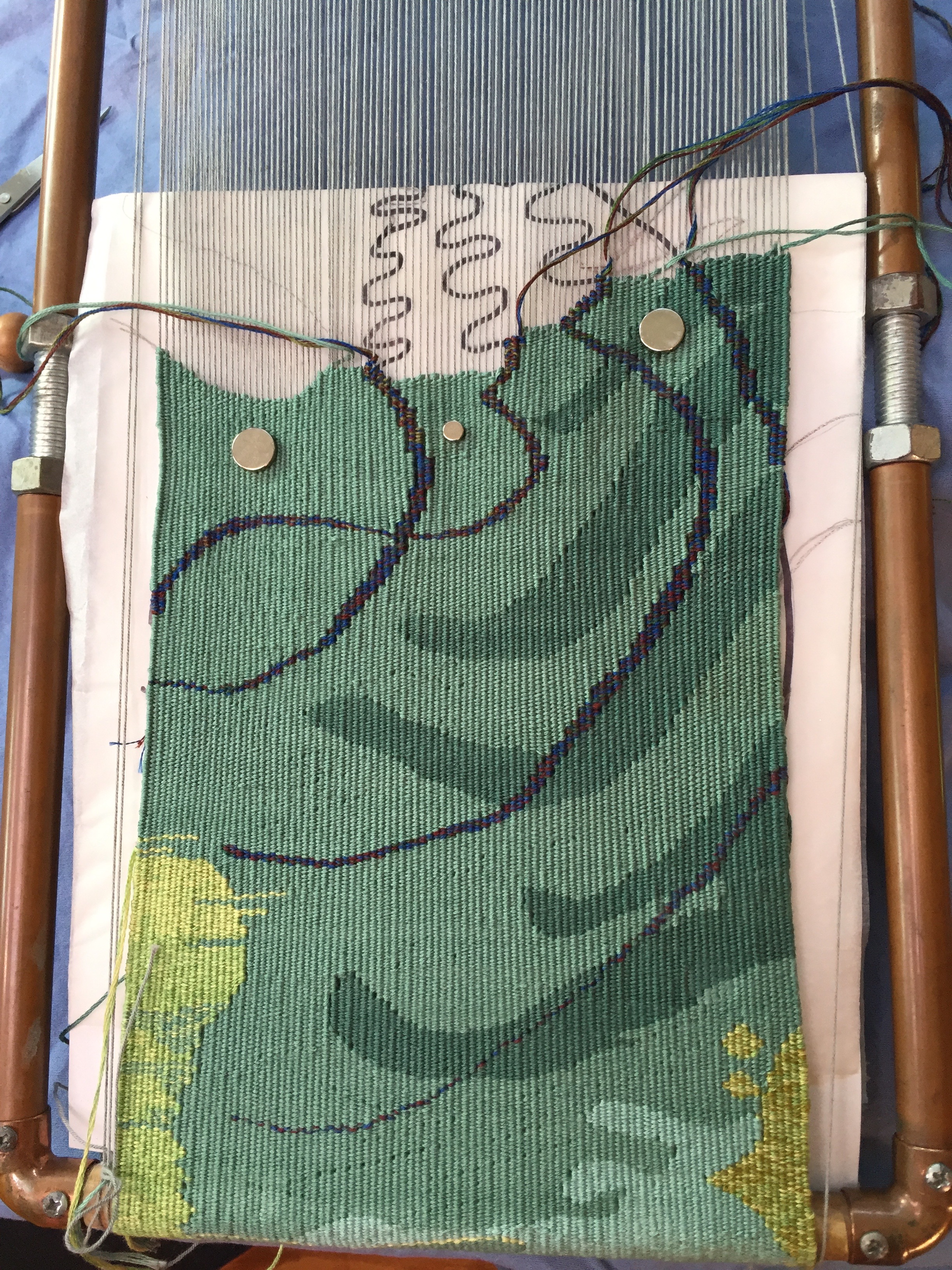
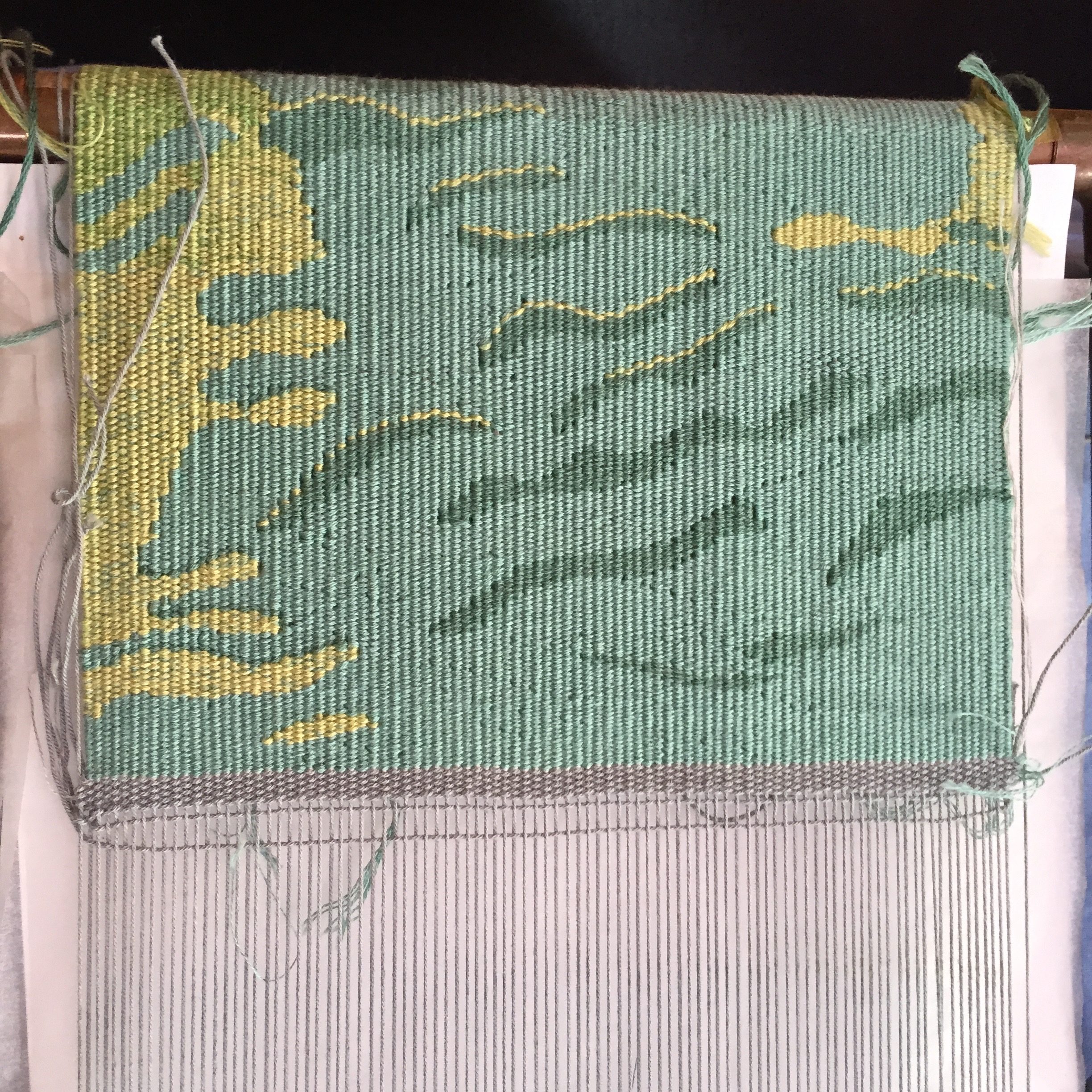
I have made some progress on my small Portuguese Man of War tapestry.  I am not feeling at all confident about my decisions on depicting this creature who got badly blown off course and into our path near Palm Beach, Florida, a couple of years ago.  The water in the harbor near the dock was definitely not clean enough for this ocean going invertebrate.  It was already showing signs of ill health when we came upon it.  It was during a time when I kept stumbling on Portuguese Man of Wars (Men of War?), and I was thinking they might be in my path every year.  But this ailing one was the last I have seen since then.

I warped a small loom which means as I weave I need to advance the warp and pull some of it around to the back.  Not being able to see the entire piece at once is giving me lots of qualms.  If I don’t like it in the end, at least it has given me plenty of hours of creative problem solving and enjoyment weaving.

I’m going to try to show most of what I’ve done by putting the separate photos of the front and back as close together as possible.  It’s the first time I’m seeing it too.  Unfortunately there is a bit missing — the part that is going around the copper pipe.

IMG_3213

IMG_3215

As luck would have it, I began to realize I would run out of the darkest green/blue the first year that I had this onboard.  We were still in Florida, and I was able to mail order the yarn from my local embroidery shop at home, in Connecticut.  The package was sent to Marathon in the Keys, and I got it delivered to a marina there.  Now, fast forward two years, and I am running out of the medium shade of green/blue.  Bad luck!–and yet a pretty common occurrence for me.  I don’t know if I’ll ever be able to judge how much I need to do a project.  And now I’m in a place where mail would not reach me until sometime well after I returned home!–possibly not even this year!

I tried looking on websites, including Amazon, to see if I could get this yarn sent to my son in California, who will be arriving for a visit mid-week.  No luck with expedited shipping from any of the websites I checked.  It’s a good thing I am weaving this small piece with an easily available embroidery thread, mostly DMC cotton floss.  The thread I am almost out of is DMC floss #502.  In the long run I used my local embroidery store yet again. I called them on our international cell phone for only $.02 per minute (that would be T-Mobile). They were willing to send the yarn 2-day priority mail to California, and Chris will now bring it with him.  Problem solved!  It’s amazing how often this happens to me, and even more amazing how often I am able to solve the problem!

One year I forgot to bring any tapestry bobbins!  I was in St. Mary’s, Georgia, before I even got out my tapestry gear and noticed the missing bobbins.  A wonderful friend in Virginia, packed up five of her bobbins and sent them to me in St. Mary’s.  By the time I stop sailing, I think I’ll have a treasure trove of stories of missing items that I need to keep sane and how these dilemmas were solved–good friends being at the top of the list for jumping in to assist.

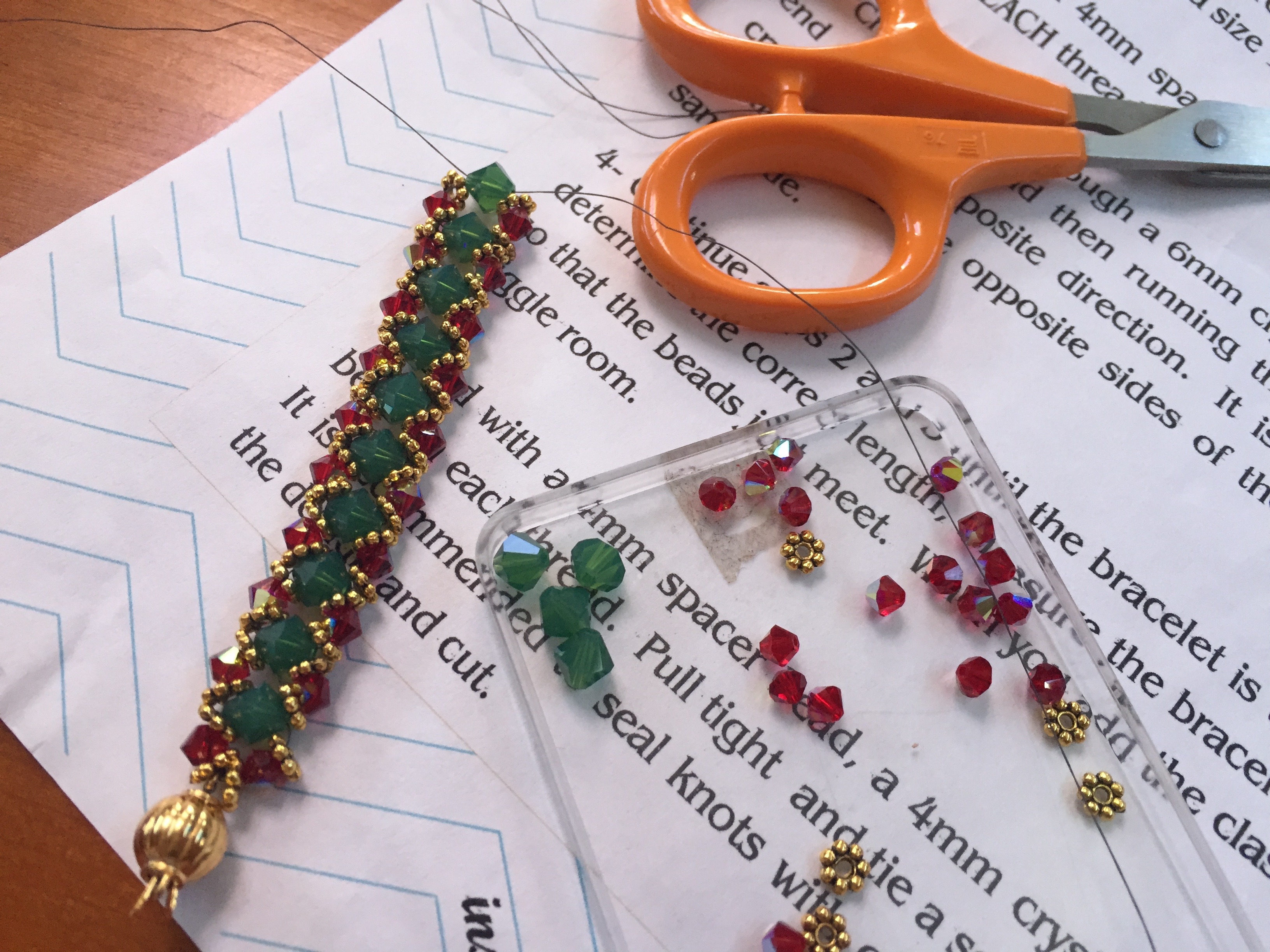
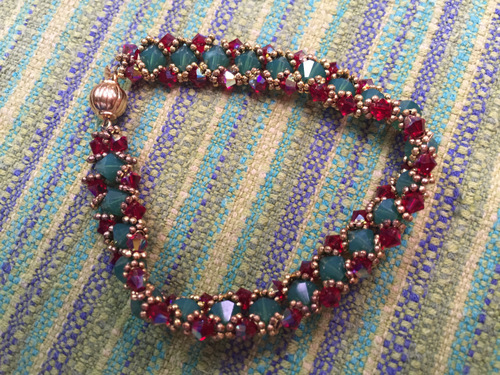
Before I left in January, I’d been through rather a roller coaster of family events.  A friend of mine sent me a package of goodies with cards, and the note that was attached read: “It’s a testament to the cycle of life that in one package I am sending you congratulations on the birth of your granddaughter, sympathy for the loss of your mother, and a birthday greeting as well.”  How true….it was a crazy month in which all that happened.  In the package was a kit for a beaded bracelet that I had admired my friend wearing back during the holidays.  With red and green crystals, it was very festive for Christmas, and so sparkly!  A couple of days ago, I sat down to make the bracelet, which thank heaven was easy enough for a non-beader like me.  It took me longer to search for the beading needles I could swear I brought with me, give up on that, and then search for the finest embroidery needles I had onboard, than it did to make that bracelet.  Voila!

IMG_3223

2-IMG_3224

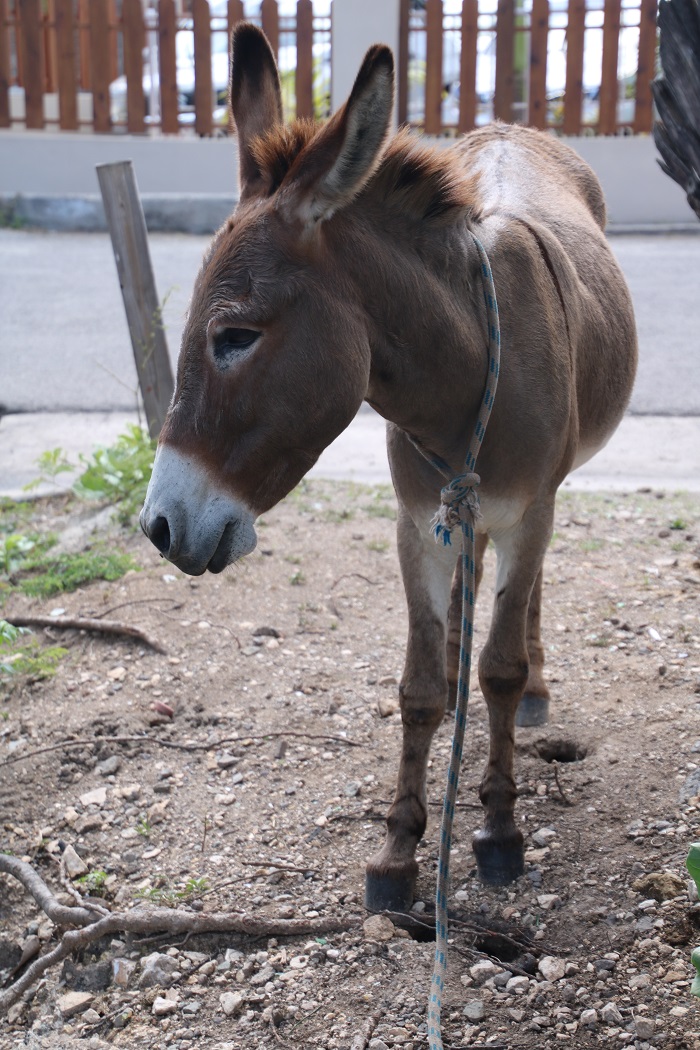
We go ashore almost every day, and now that we’ve been here three weeks (due to very high winds), it has begun to feel that there is nothing new left to do ashore.  But it’s still a very different place than home, and there is always some little something that we haven’t seen before.  This week it was a donkey tethered to the town dinghy dock.  It had such a sweet disposition, just chillin’ while she waited for her owner.

3-12-17a 025

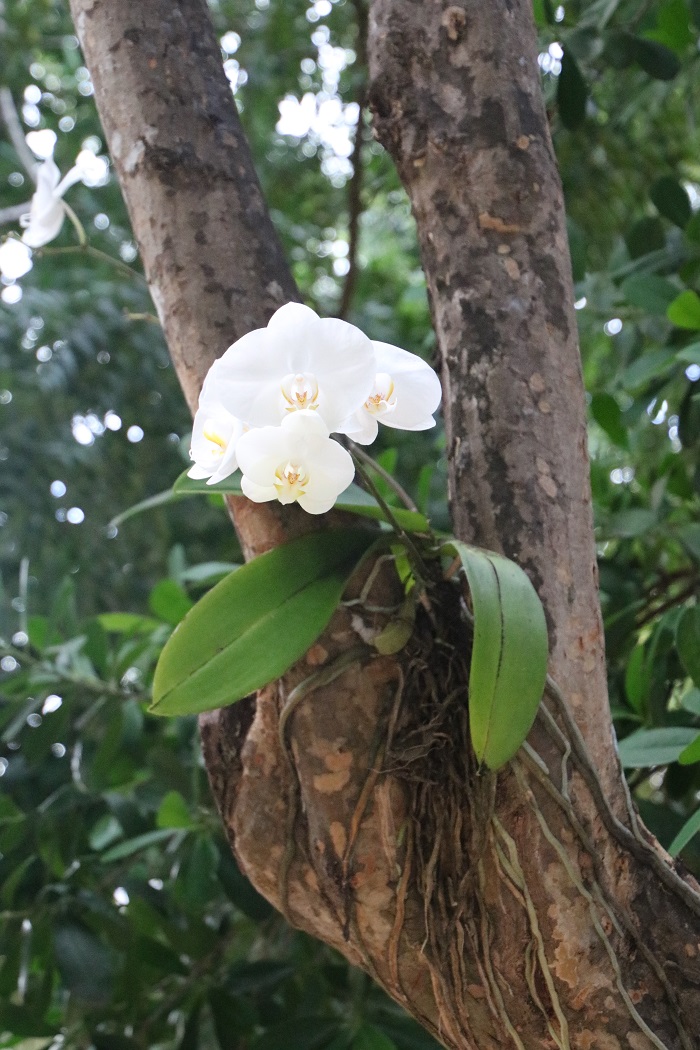
And the sight of a phalaenopsis orchid growing on a tree near the restaurant where we celebrated Bill Woodroofe’s birthday (as in Bill and Maureen of Kalunamoo).

3-12-17a 003

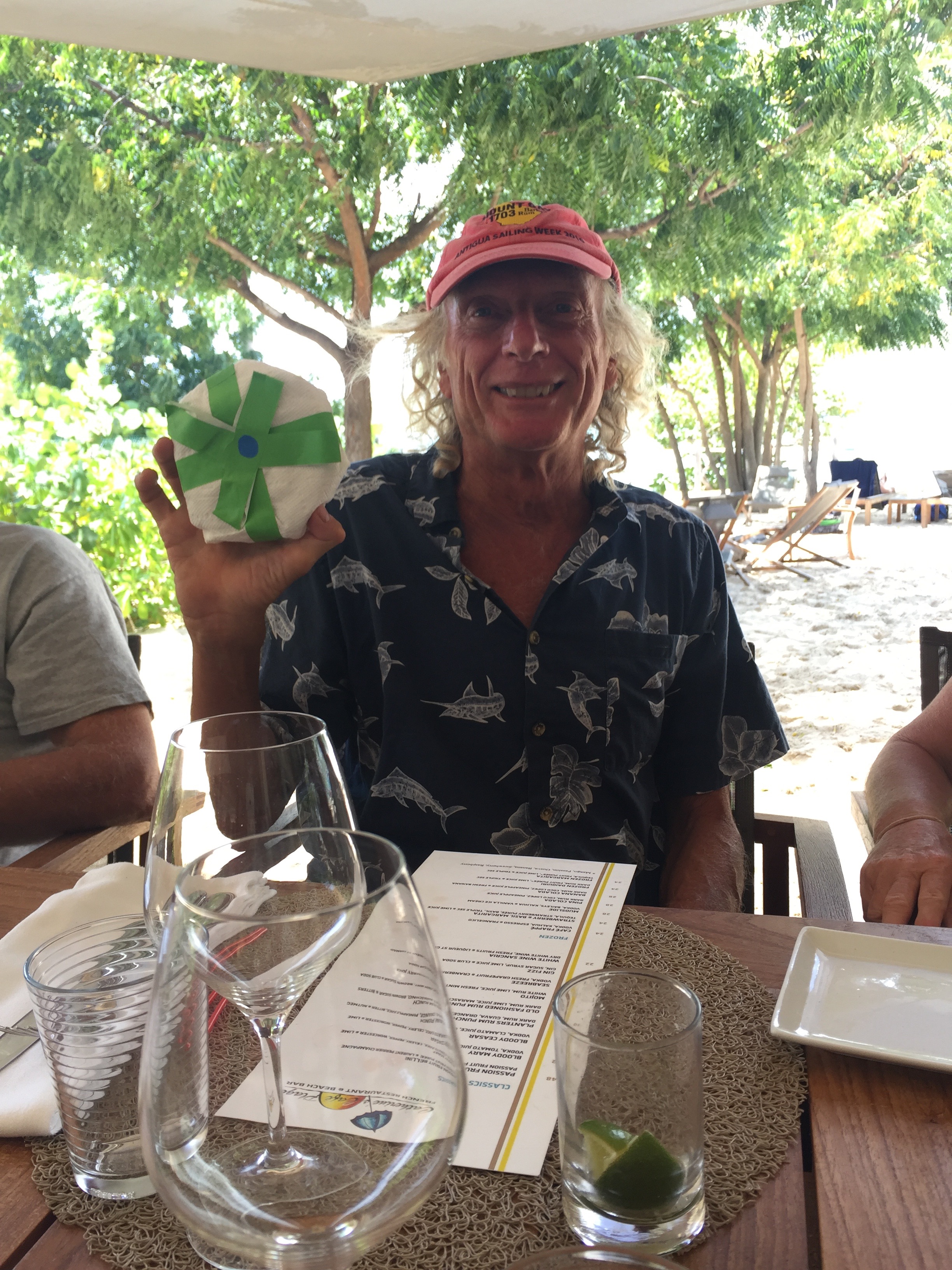
Here’s Bill opening a present just after we sat to down to lunch at Catherine’s.  What a spot! — an elegant dining room, open right onto the beach in Falmouth Harbor.  The chef is French, and so far it was the best meal I’ve had this winter.  So, I know you are dying to what I had for that best lunch of the winter —  Tuna tartare with a wonderful mango sauce to start, and then a lobster salad that was so tender I almost didn’t believe it was Caribbean lobster.  Yum! That empty glass in front of Bill was a Rum Ti, something I’d never heard of before.  It is white rum with cane syrup and lime juice.  He loves them!

IMG_3217

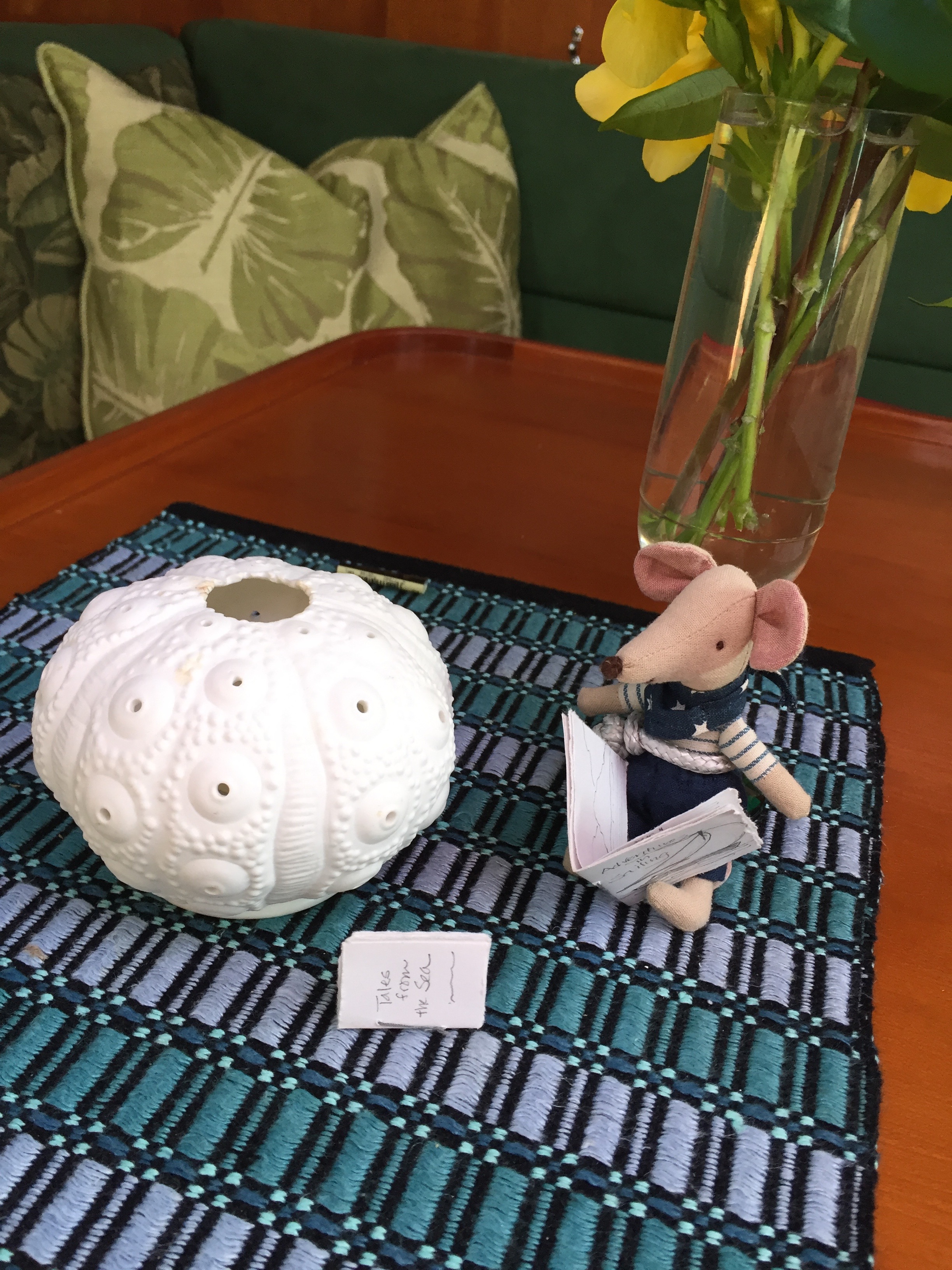
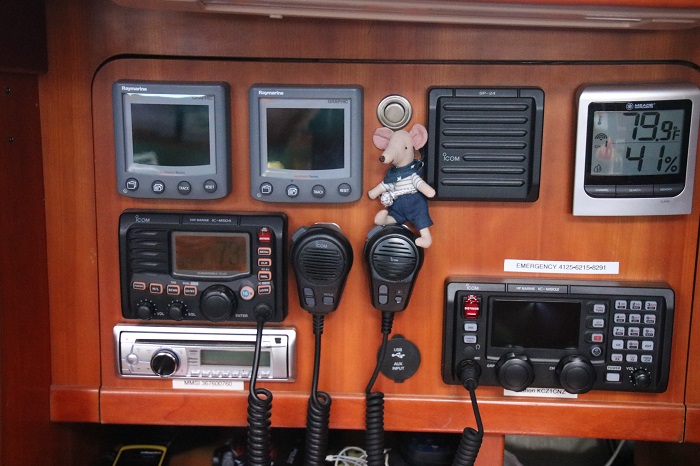
Many days we play with our little mouse, Louis, who came to us in St. Martin, via Denmark.  I made him a couple of books to read when he gets left onboard alone.

IMG_3216

This may be proof that I am losing my marbles.  Maybe it’s just what anyone would resort to if confined in small quarters for too long.  Like prison? (I am remembering a quip I once heard that ‘sailing is like being confined to a prison cell, with the added posibility of drowning.)  Well, maybe, but this is considerably better than prison.  Louis really belongs to our granddaughter Tori, but I cannot give him to her until she is a bit older.  So, in the meantime, he is living with us, and we figured we should document his adventures and perhaps even write a little book for her about his travels and adventures.  I would much rather have drawings or watercolors as illustrations, but since I cannot do that, I am taking photos.  I have to do what I can.

Here is Louis playing in the garden. (Okay, so it’s really just a small vase of local flowers…please don’t tell him!)

3-IMG_3226

And Bob gave him some instruction in the use of our VHF and SSB radios.  He likes electronics.

3-12-17a 001

Quiet time onboard seems very different than at home.  There are simply less distractions, at least for me.  Bob is very busy whacking moles these days, so I’m not sure he has much quiet time.  During mine I have had some very productive creative thoughts about what direction I might take on a number of projects that I have left at home as well as on projects that I have in mind for the future.  I have made some notes for my large Portuguese Man of War tapestry and am looking forward to starting that!  It will make use of different techniques and skills that I have picked up over the years, and some of these have nothing to do with tapestry.  I hope this project will be a successful blend of techniques that I’ve used over many years.  It’s time to bring such things together in one statement.  Or so I hope.

I’ve also thought about the little book about Louis.  I wonder if I can use Photoshop to turn some our photos into more interesting images that evoke drawing or watercolor.  This might be cheating, but I’d like to do the book entirely myself and I really want something simpler than photography to illustrate it.

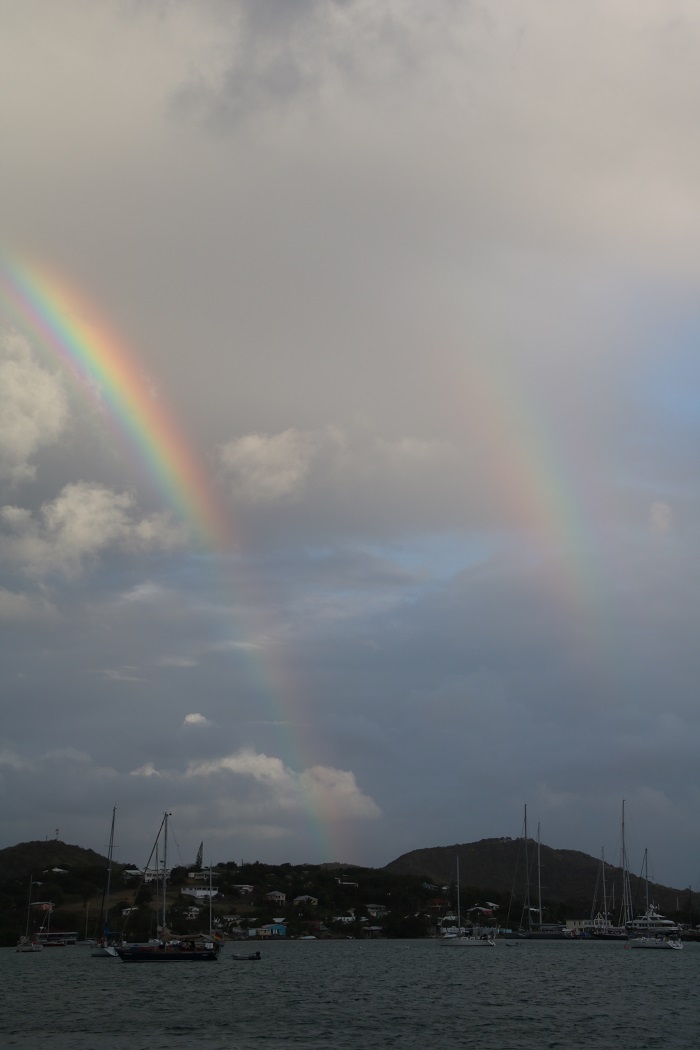
And then there are the sights each day brings here.  I’ve complained a LOT about the wind for the past weeks.  I should balance that with some photos of wonderful things that also define this place.  We have a rainbow almost everyday, and sometimes two!  And one time we had three rainbows in one day. Of course this happens because there are so many squalls!  You gotta take the good with bad.  Here’s one from this week–can you see the very faint double rainbow on the outer right?

3-12-17a 007

We hardly ever sleep through the night.  Who does, at our age?  But above and beyond the call of nature that wakes both of us in the night, there are the squalls that come through.  Since I sleep on the outer edge of our pullman berth, I am the one who gets up to close all the hatches when I hear the rain start….every night.  And I am the one who gets up again to re-open all the hatches once the rain has passed.  We always need the breeze. I should note that most nights have several squalls, so not a lot of sleep is going on for me.  Too bad these squalls don’t coincide with that other reason for getting up.

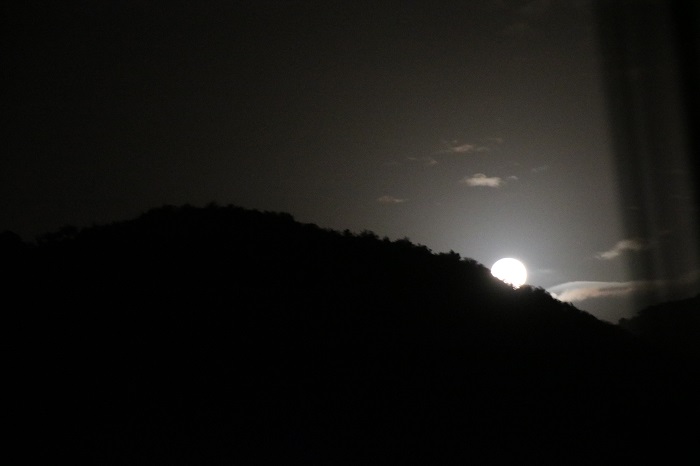
Bob often gets up to check all the other things that might be cause for alarm in the night.  Mostly these are odd sounds or odd feelings.  Are we dragging?  Is the anchor chain chafing?  He got a beautiful shot of the moon setting over the western hills of the harbor this week during one of his wake up calls.

3-12-17a 016

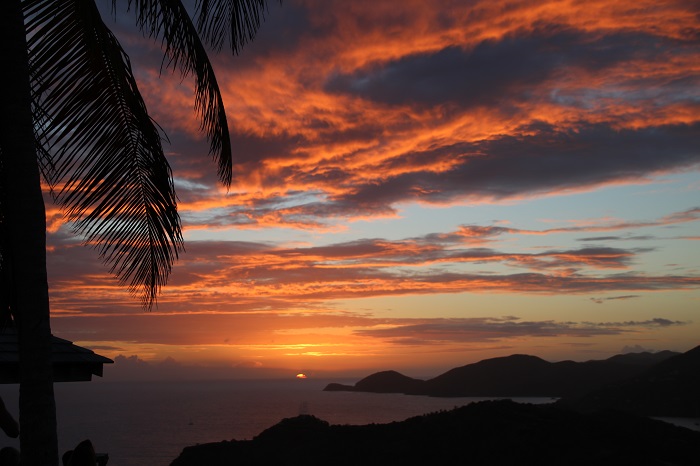
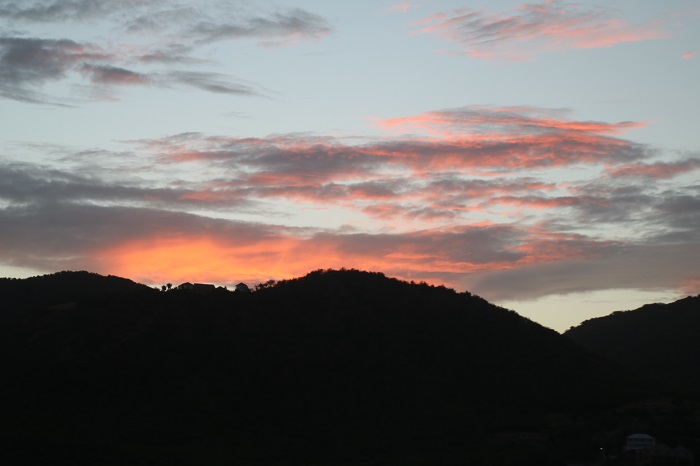
And then there is dawn…a new and beautiful one every day. And sunsets like this one.

3-12-17a 029

So that’s how we spend our days.  The sheets are dry on the line now, and the towels are ready to be hung up on our make shift laundry line.  I’d better get to it. Then I’ve got a good book calling to me and a bit of knitting.


Scroll to Top