Impressions
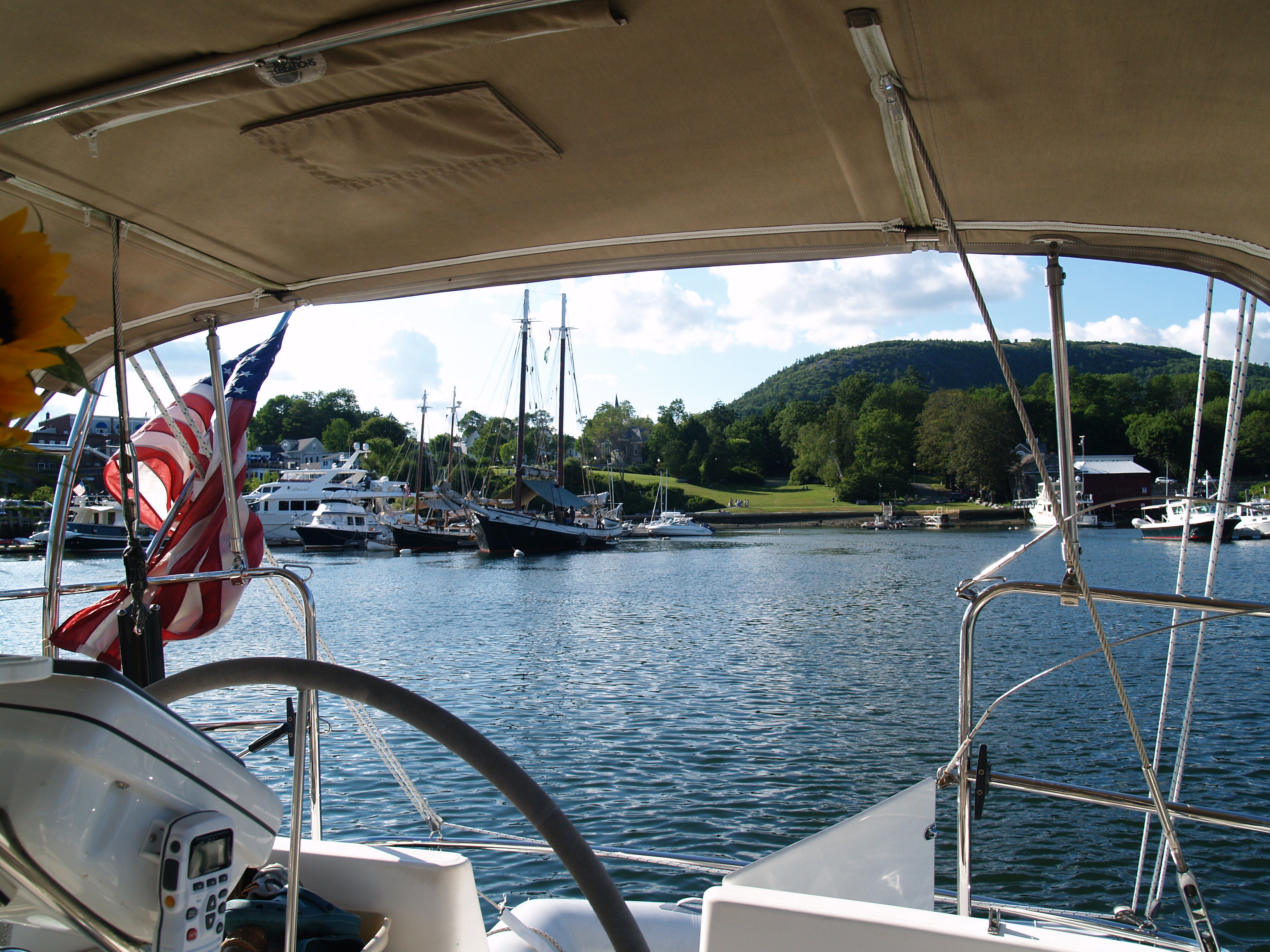

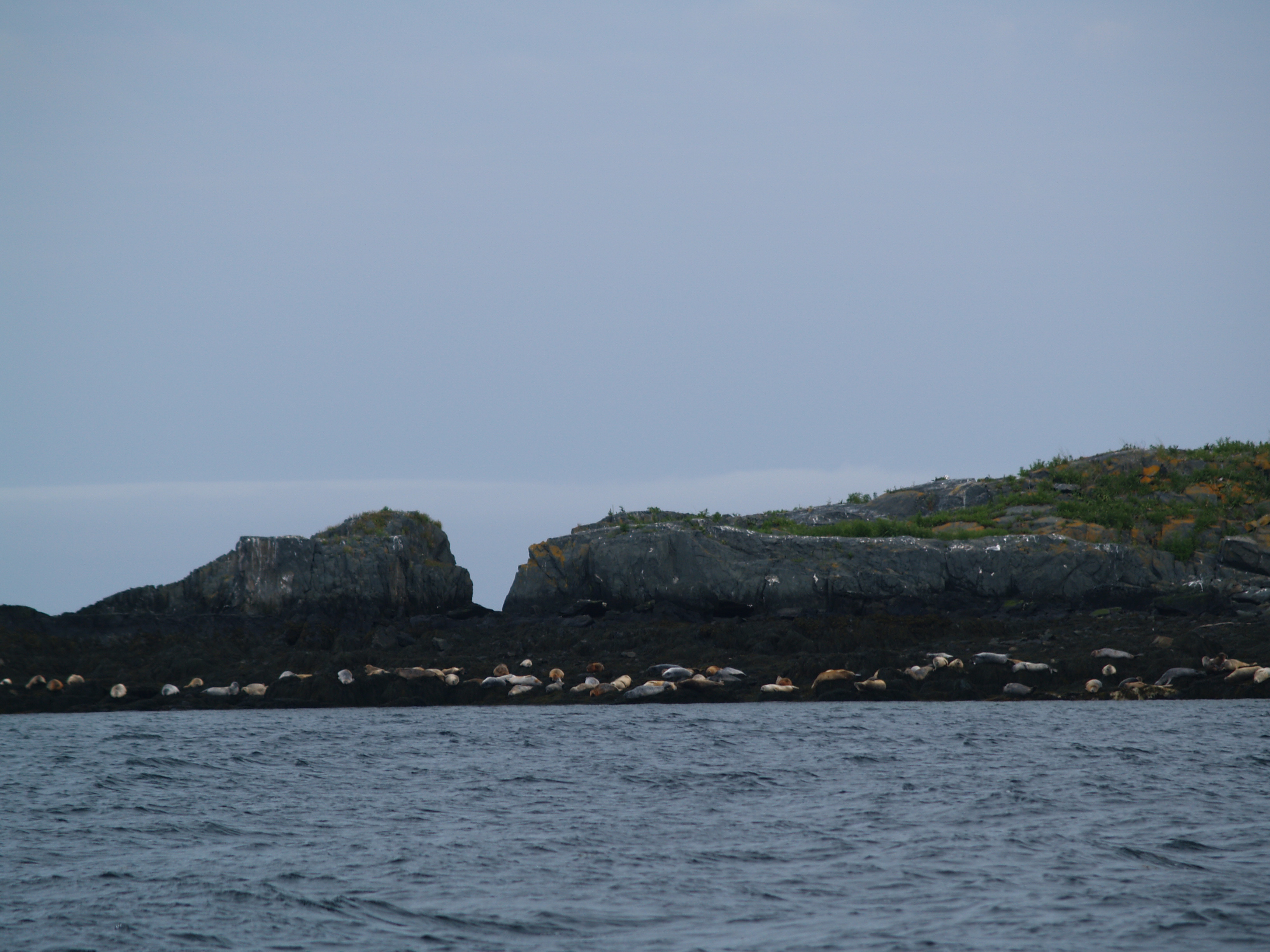

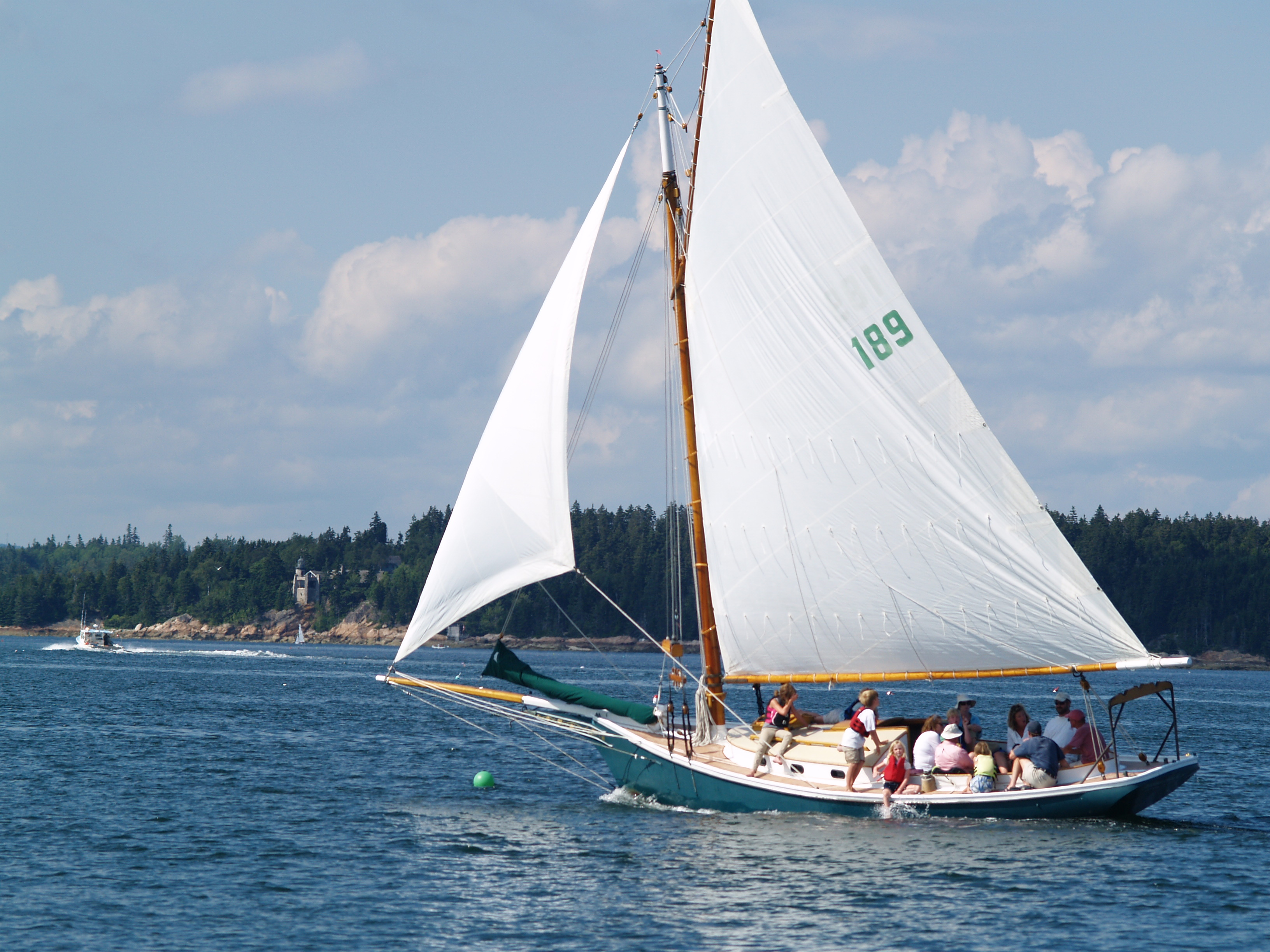
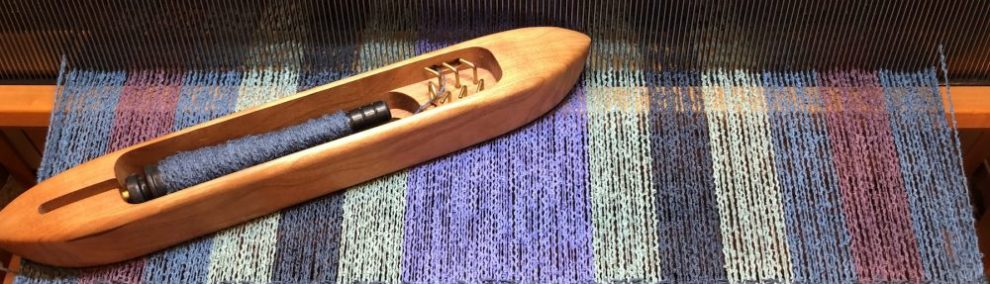

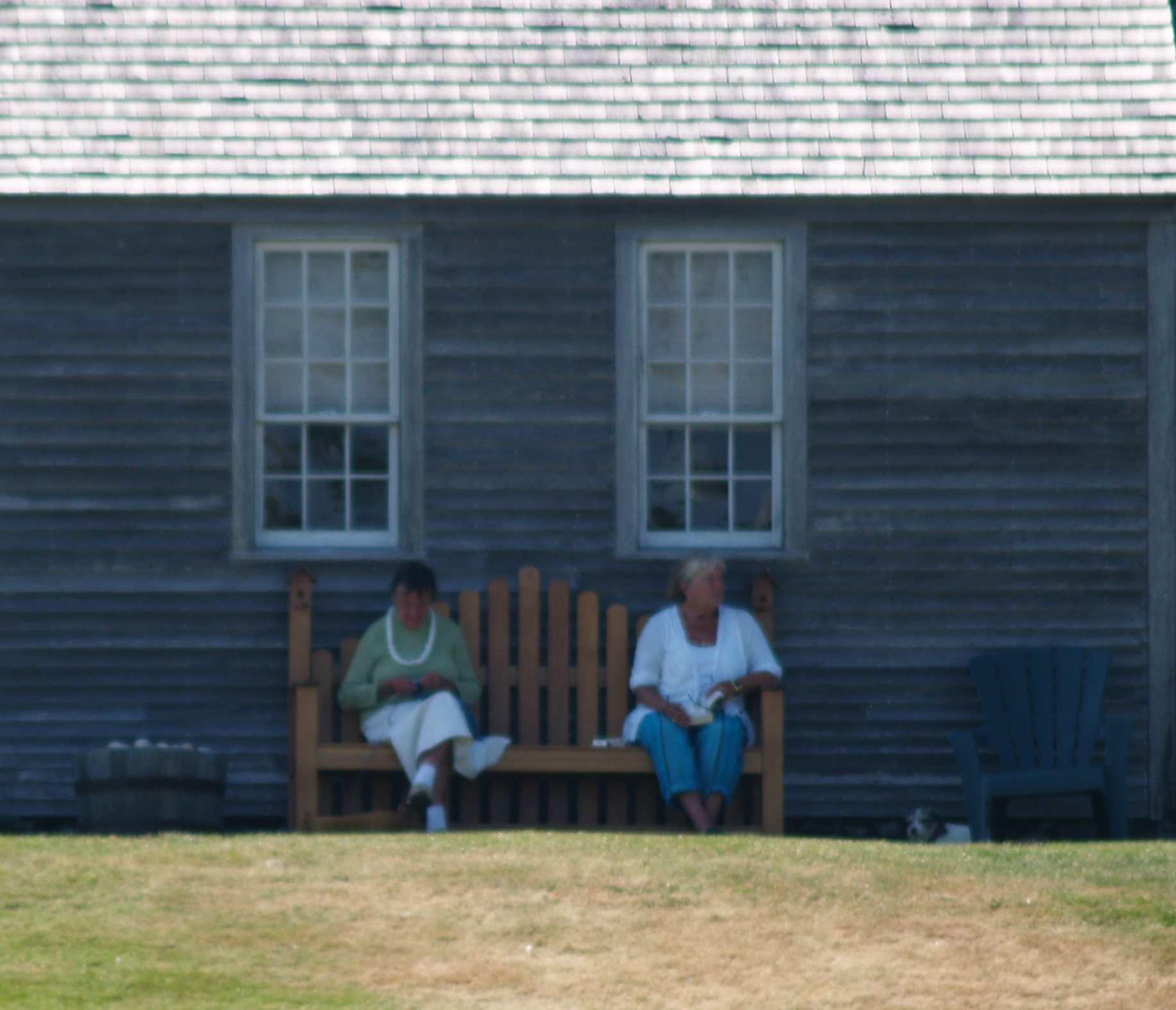
Each year at some point in our Maine sailing adventures we go out to Allen Island, a lovely getaway for the well known Wyeth family where they have very nicely placed a few moorings for visiting boaters to enjoy. Last year I was thrilled when Betsy Wyeth arrived at the island and waved to me from her launch. But this year’s visit topped even that. Betsy sat outside her house with a basket of knitting; I sat aboard Pandora with my knitting. We each sat knitting and watching the other knitting.
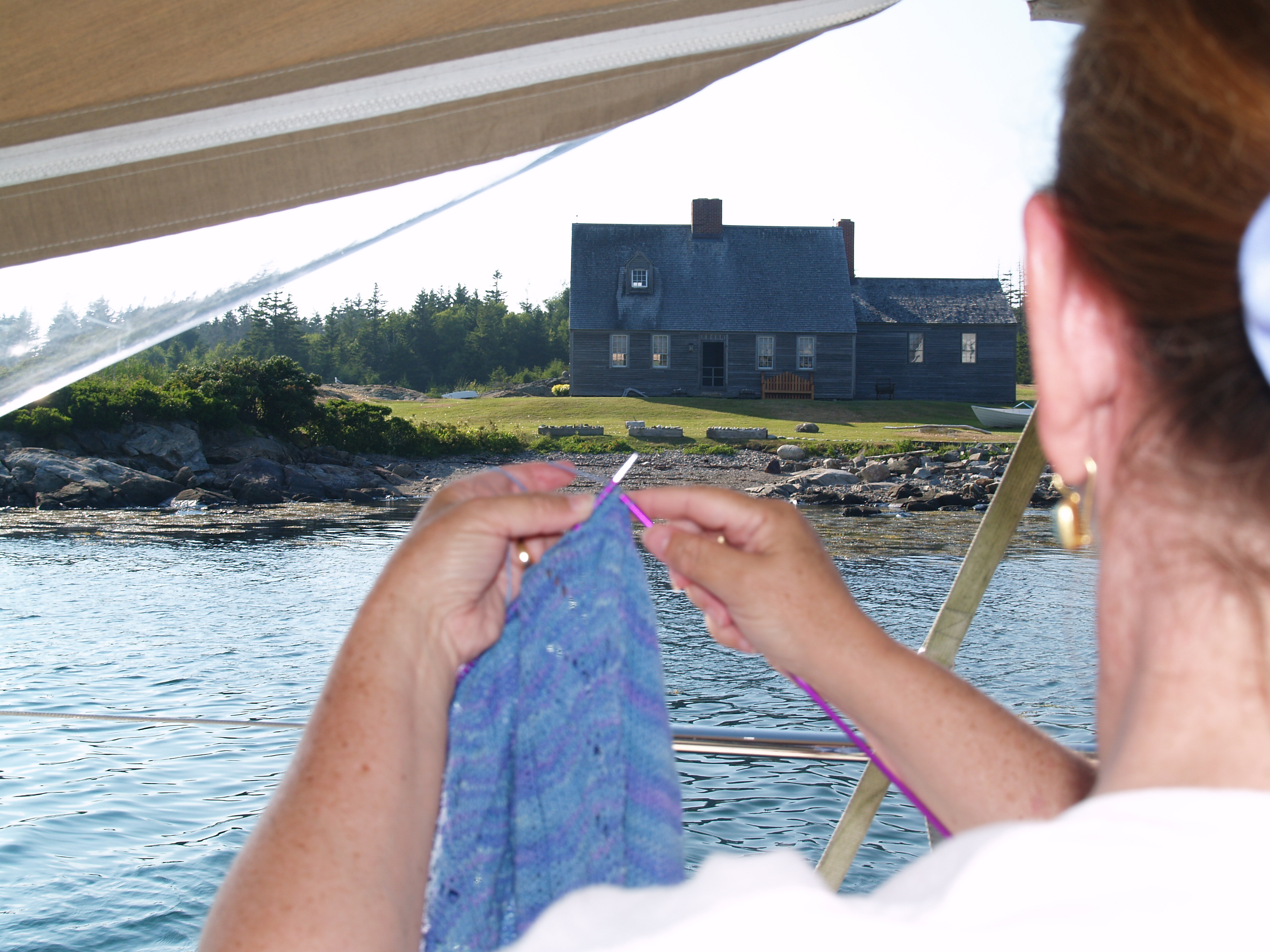
So, Where in the world were my Signature Arts knitting needles? At Allen Island, a rather private place only accessible to those with means of traveling on the water, where they rubbed shoulders with Betsy Wyeth’s needles!
And, by the way, there are about 100 sheep on Allen Island….and it is the spot where George Waymouth landed with his ship Archangel in 1605.
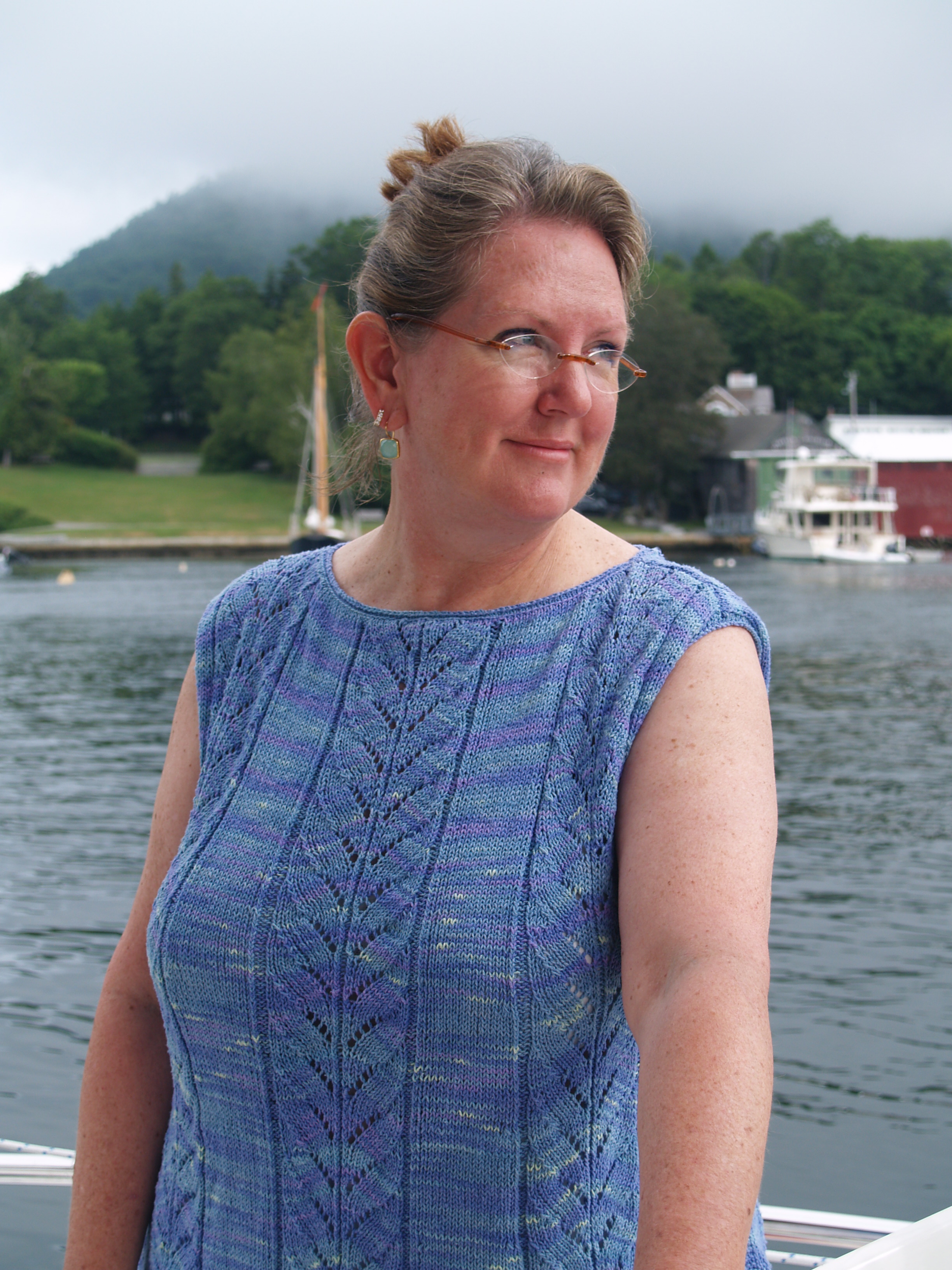
And that was the day I finished my “Garden Tank” by Deborah Newton. Deborah’s designs are extremely attractive and wearable for many body shapes which makes her one of my favorite knitwear designers!
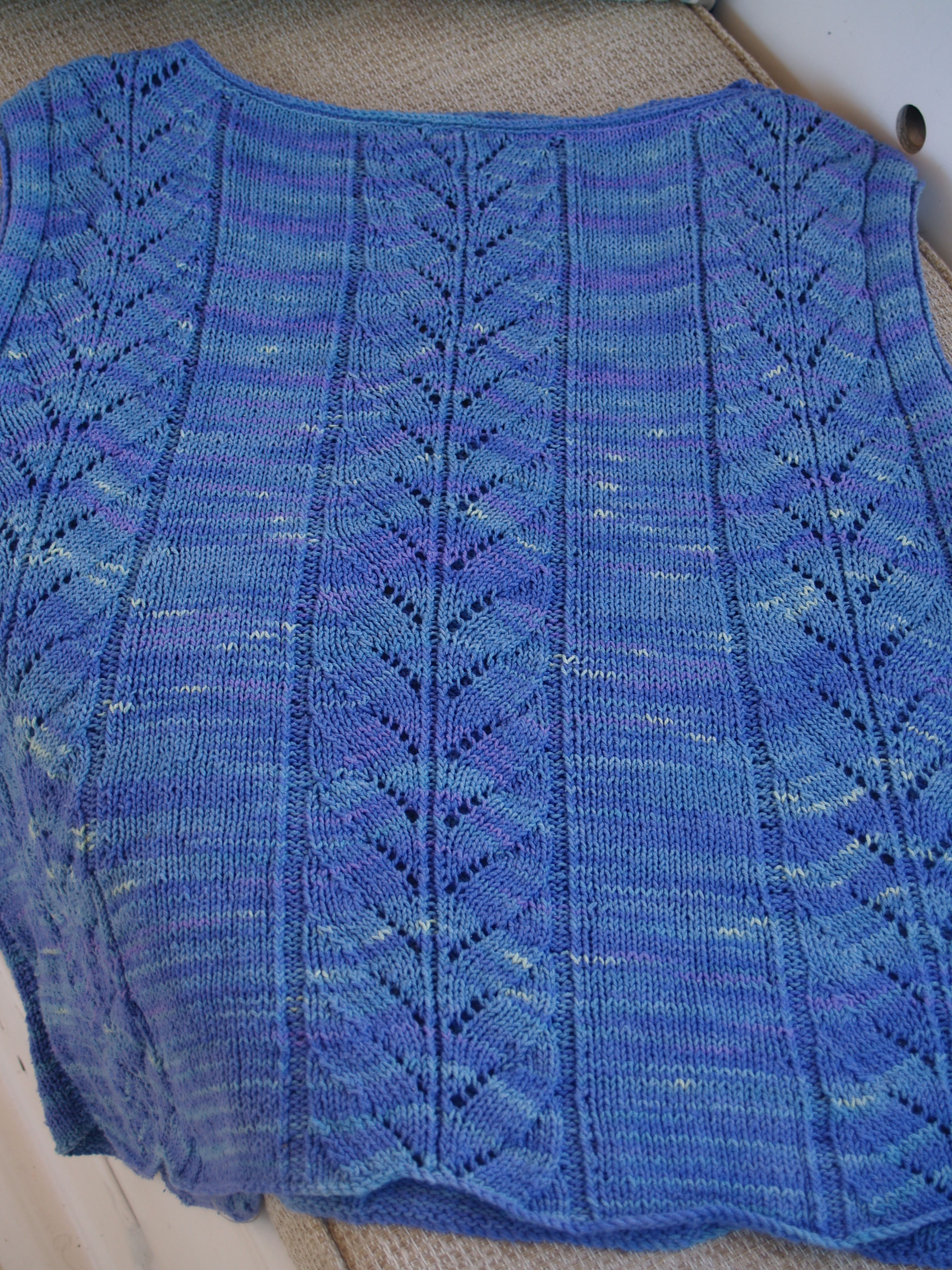 What I love about this design: the simple lace pattern that does not overwhelm the sweater, the flattering boat neck, the A-line ‘swing’ shape, the armhole shaping, the way the lace creates a scalloped edge at the hem!
In Interweave Knits the sweater was knitted with Manos del Uruguay “Serena” (60% alpaca, 40% cotton). Now maybe I’m missing something, but isn’t alpaca one of the warmest fibers? So even with the addition of 40% cotton, wouldn’t this be too warm for a summer tank top? I decided to use raw silk, and since this yarn has virtually no elasticity I made the top with zero ease. I’m very happy with the fit!
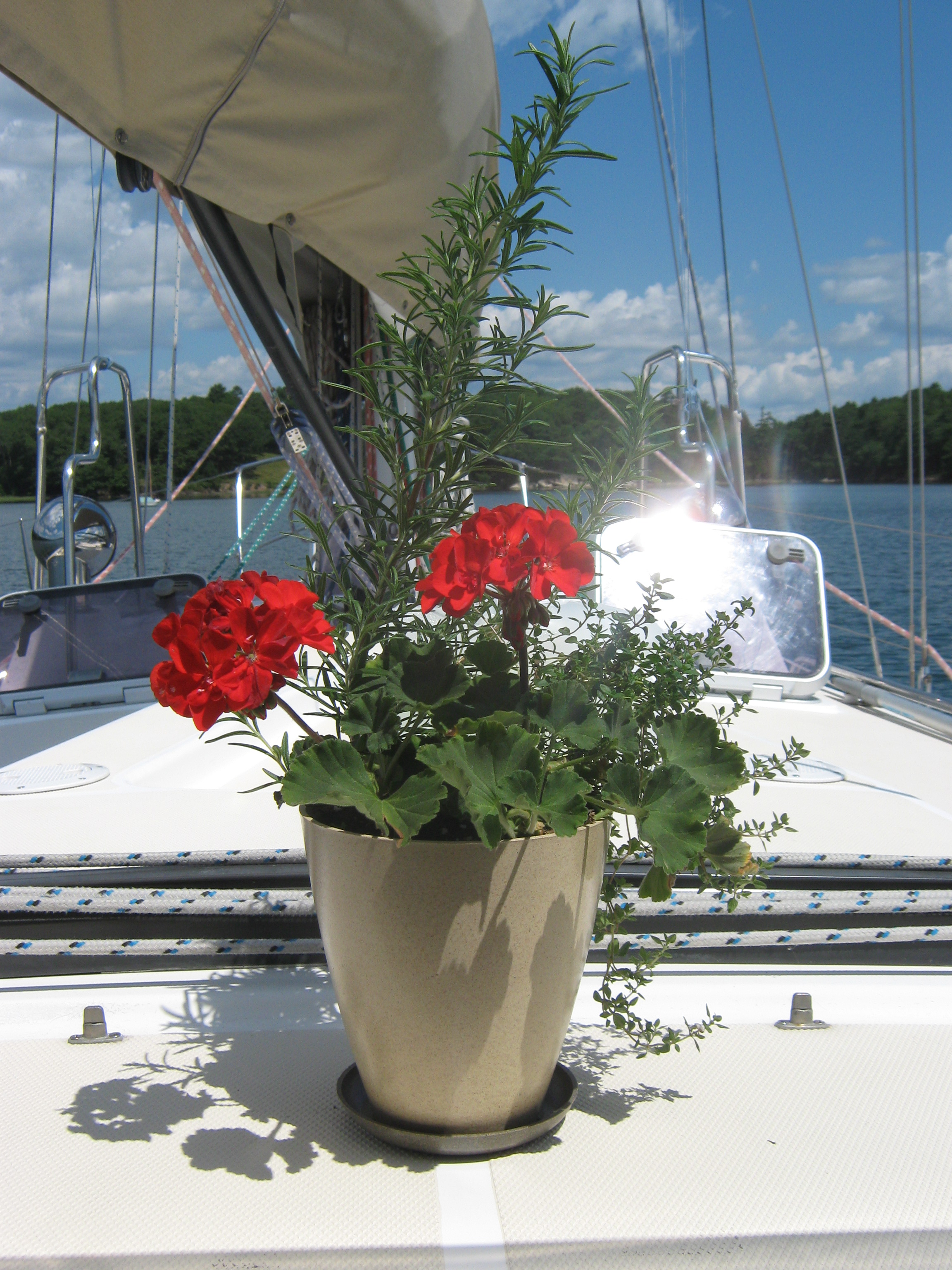
This is the extent of my gardening on board (well, almost)! Rosemary, thyme and a bright red geranium! I have no idea how my gardens at home are faring in the 90+ degree heat of the past few weeks, but this little pot makes me quite happy!
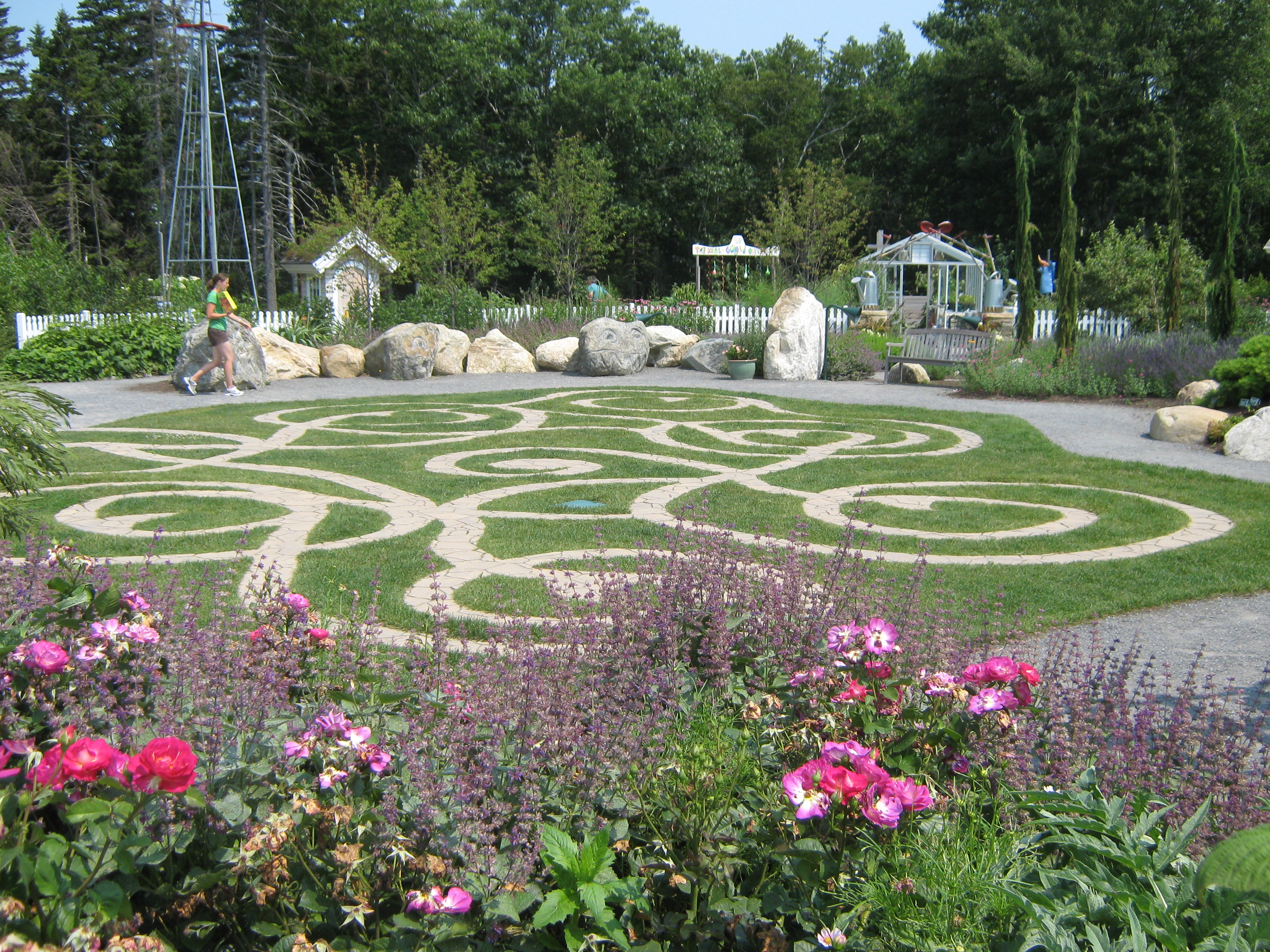
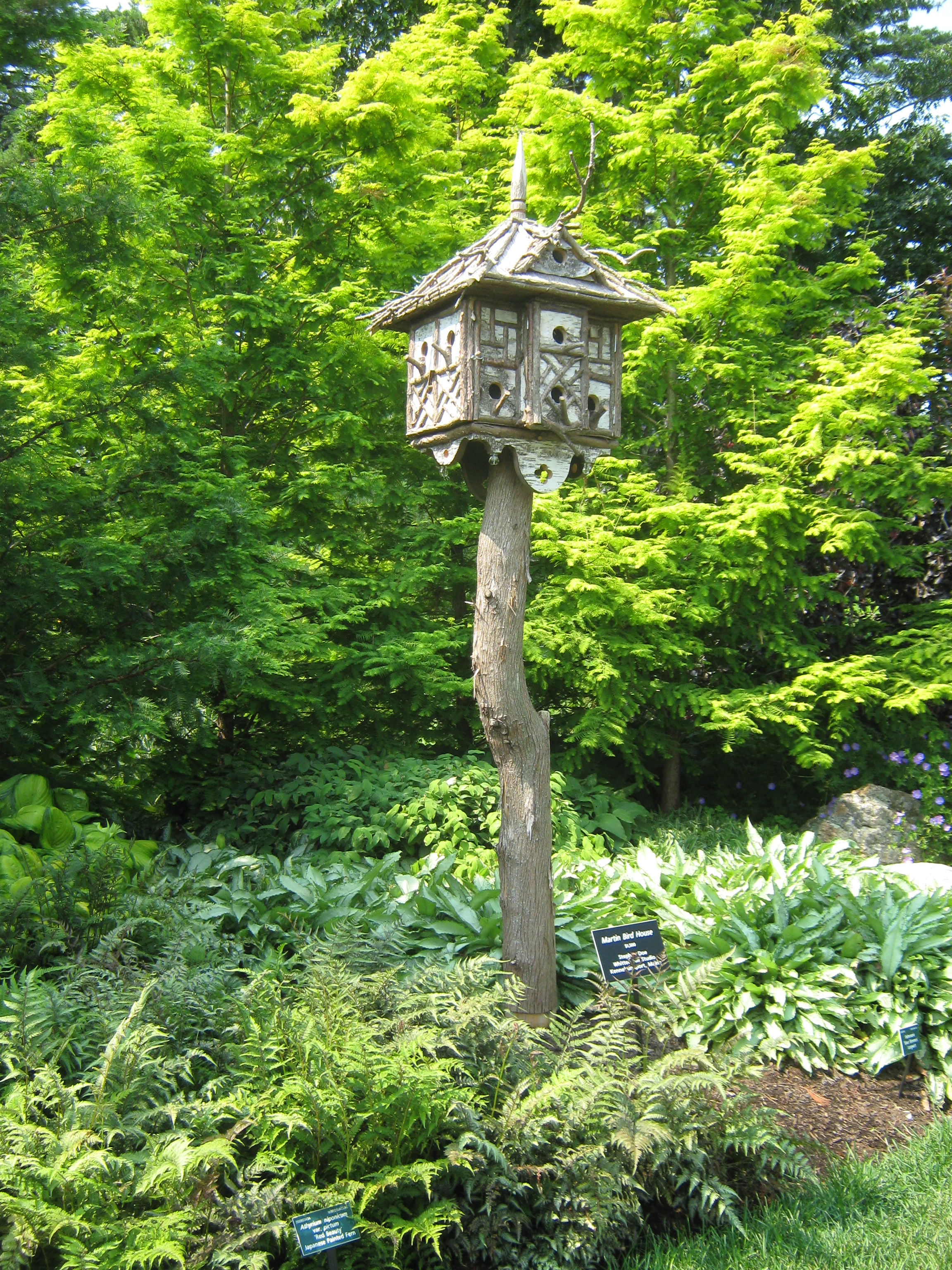
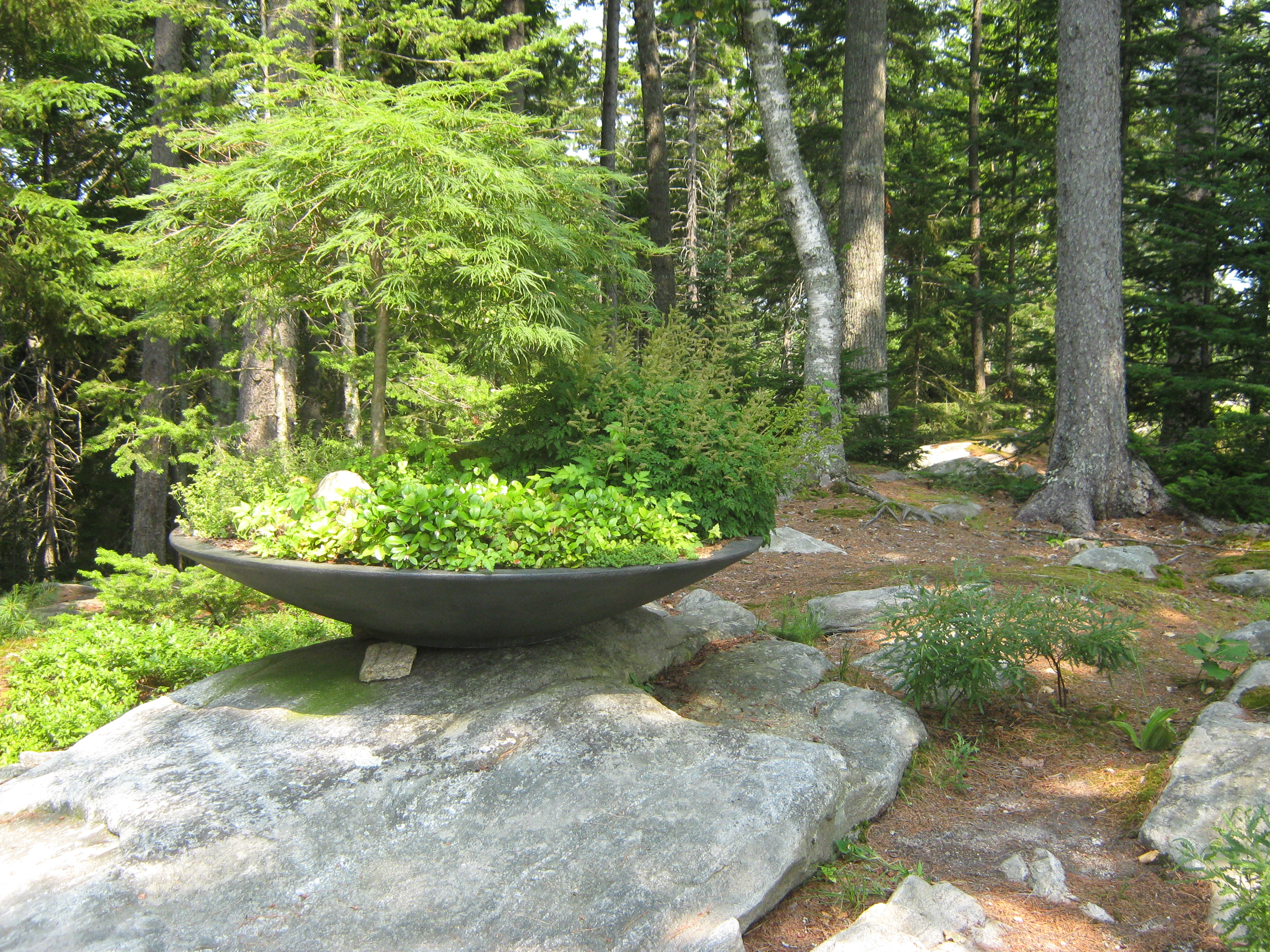
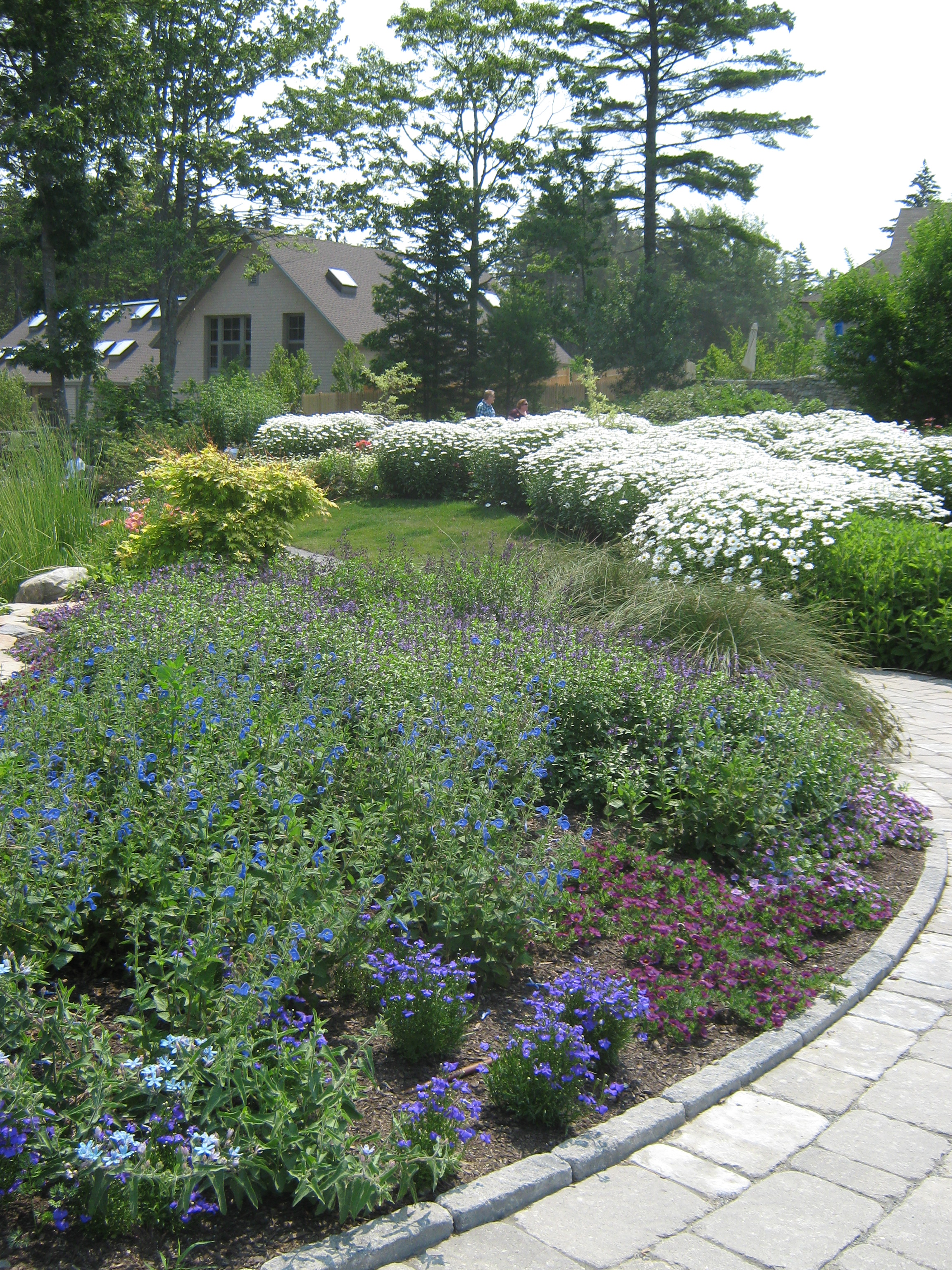
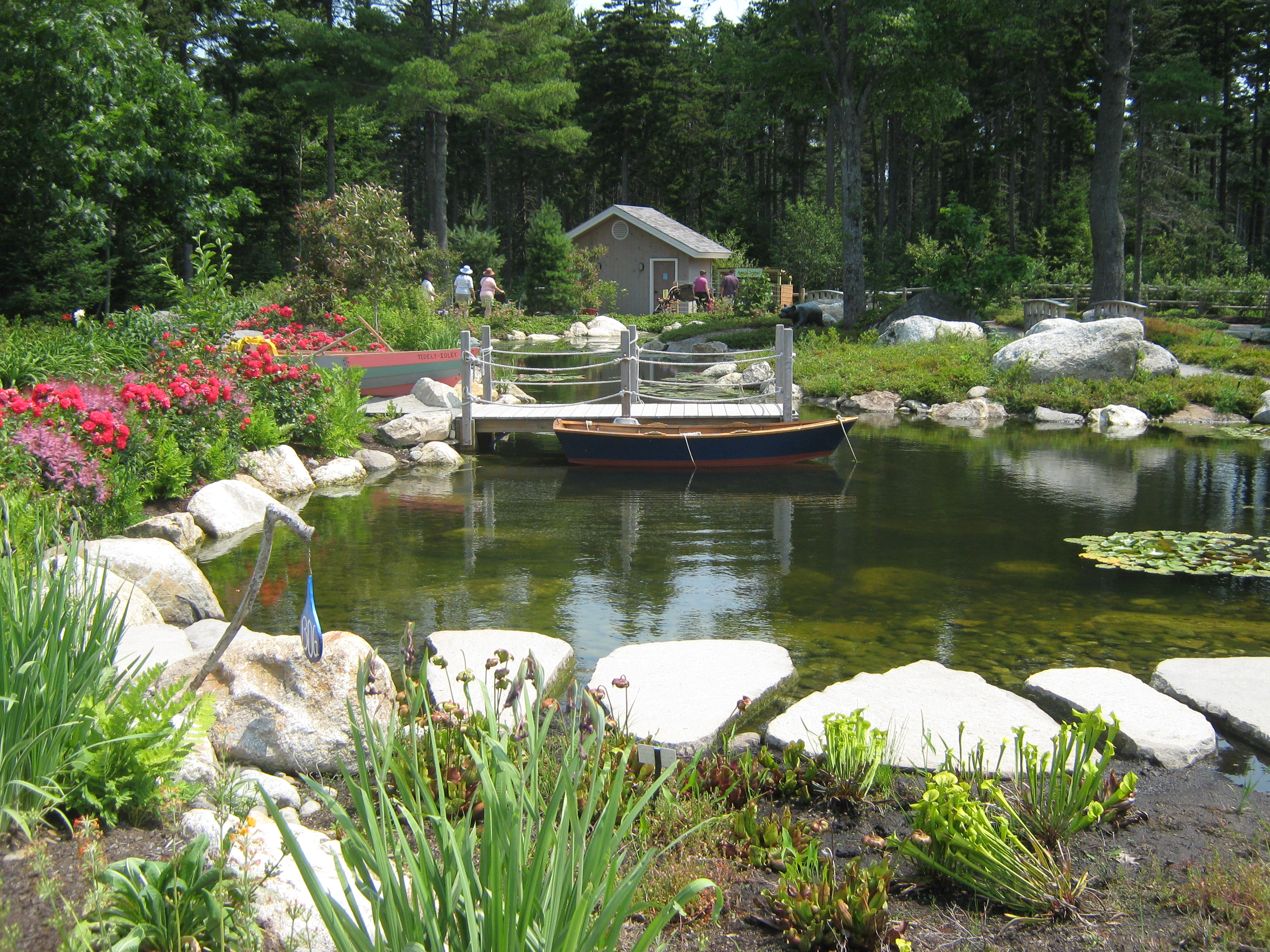
A visit to the Coastal Maine Botanical Gardens in Boothbay with a good friend was a perfect summer day. These gardens sit on 128 acres that border the shoreline of Back River. The idea for the gardens started in 1991, and the land was purchased in 1996, with some of the founding directors using their personal homes as collateral for the land purchase. The grand opening occurred in 2007! There is a wealth of inspiration here, and most plants are clearly identified. There are tranquil spaces, such as the Meditation Garden and the Waterfall garden along with several quiet woodland paths. And then there are spaces that are strikingly beautiful such as the Children’s Garden and many perennial borders.

And here is the winning idea I took from my tour: a wall of plants! It is made by filling wire baskets with soil, then stacking them and framing them into an attractive wall. This wall of plants not only saves space, but also makes a good screen to block unsightly views! I want it!
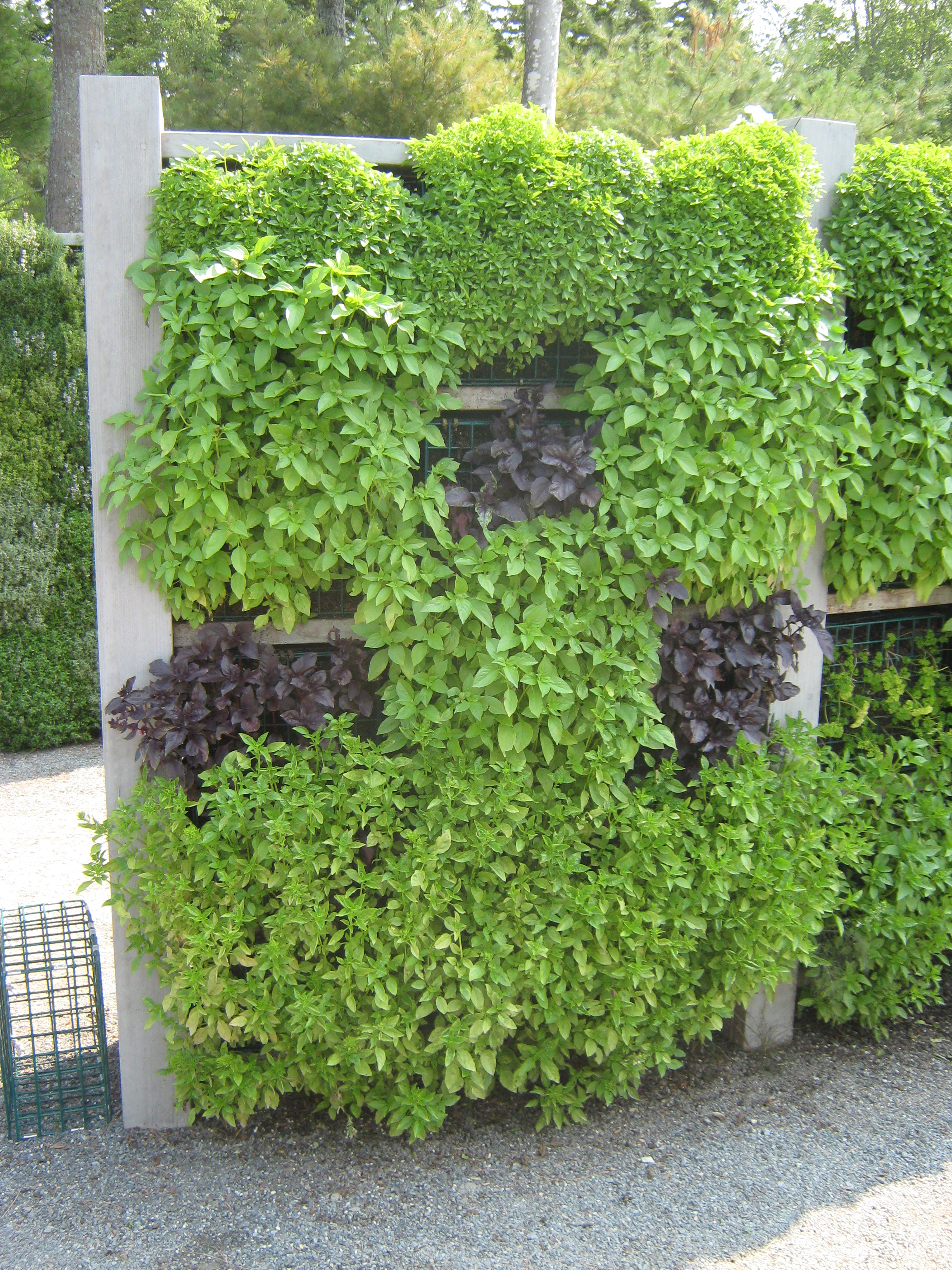
This example of a planted wall is filled with herbs. You can see one of the wire boxes in the lower left on the ground next to the wall. They had walls planted with annual flowers and one shade wall planted with ferns.
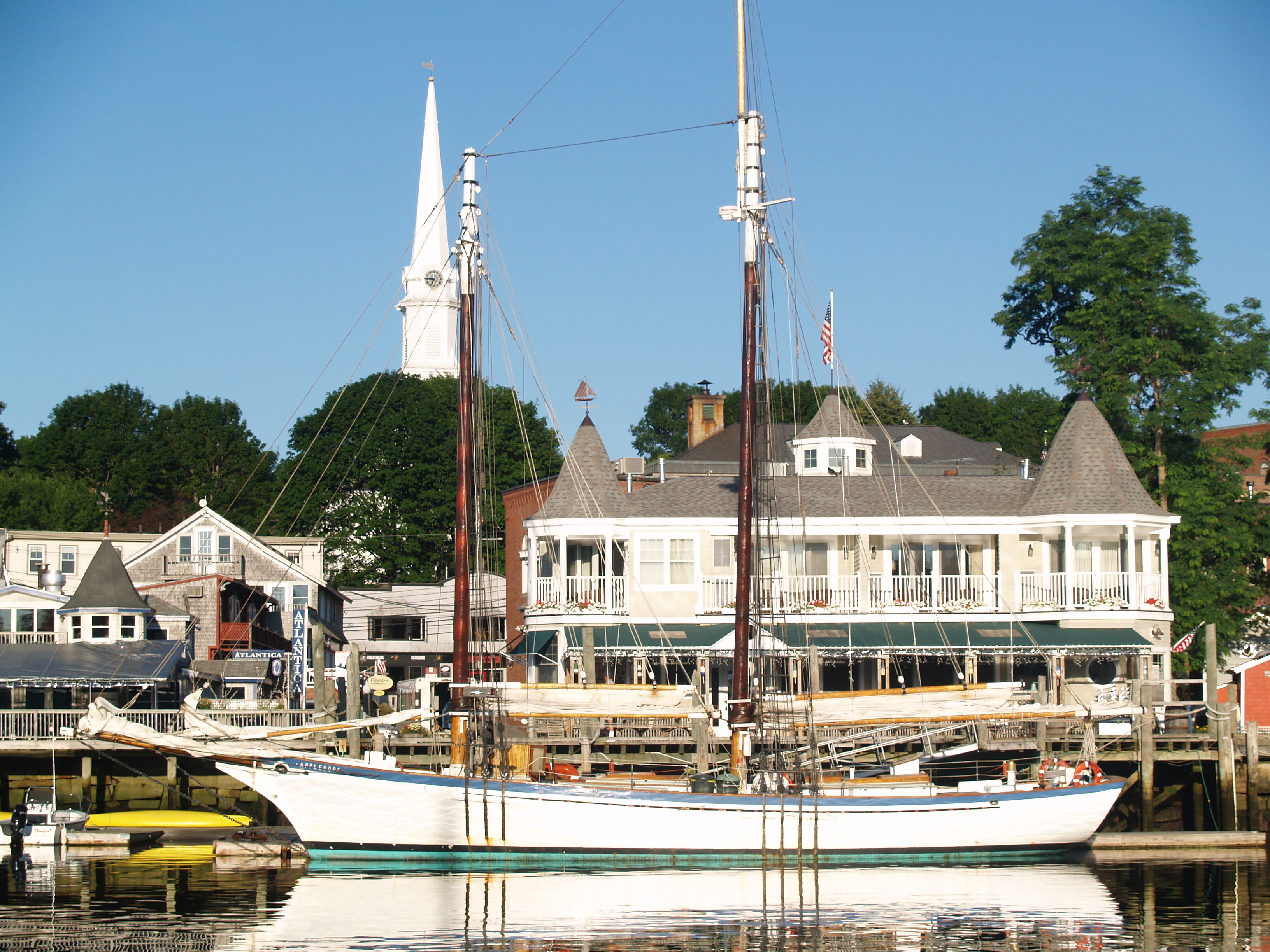
Today the wind is howling so we will sit on our mooring in Boothbay Harbor. I am going to work on my Nantucket purse and remember my wonderful day in the gardens!
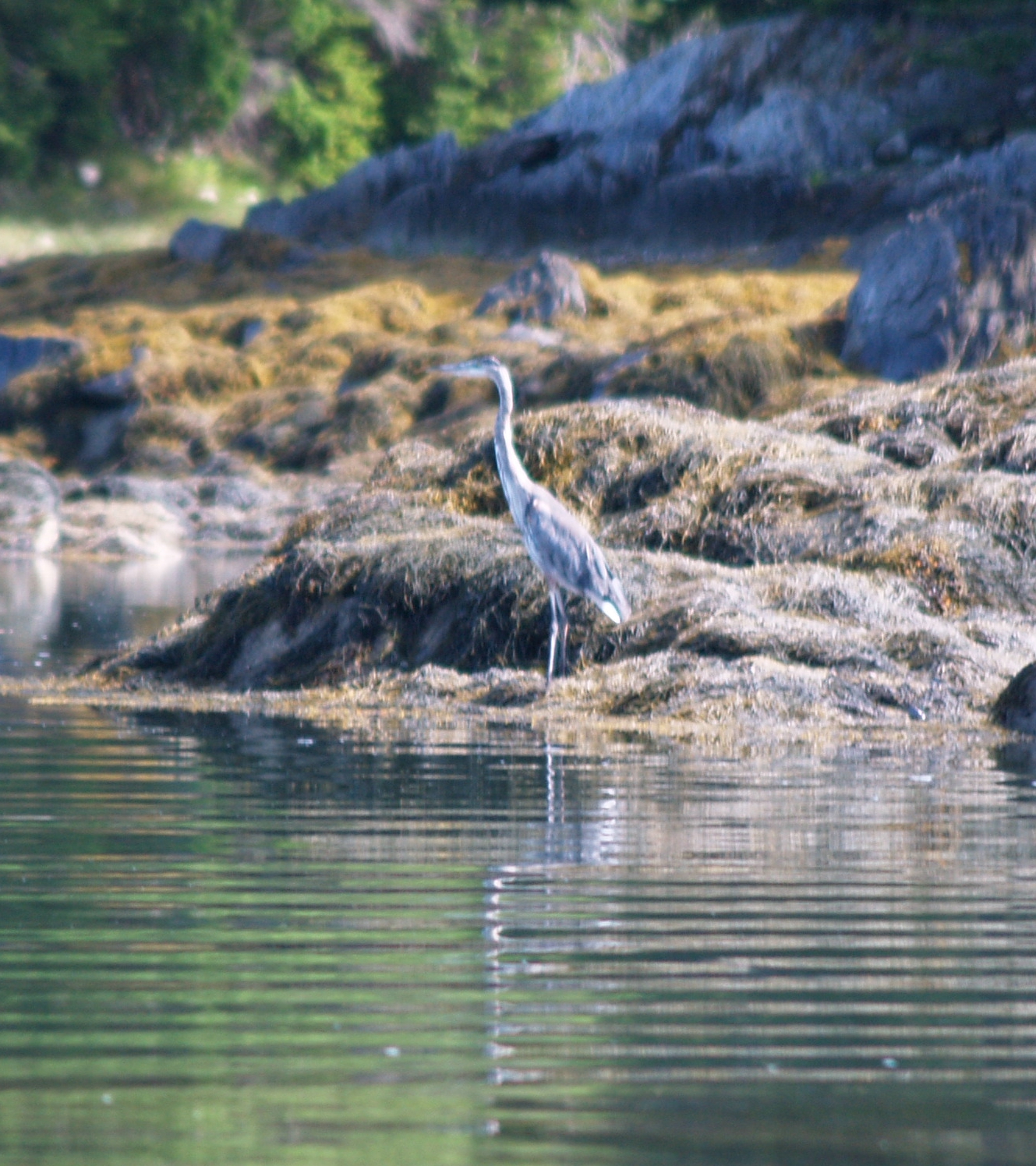
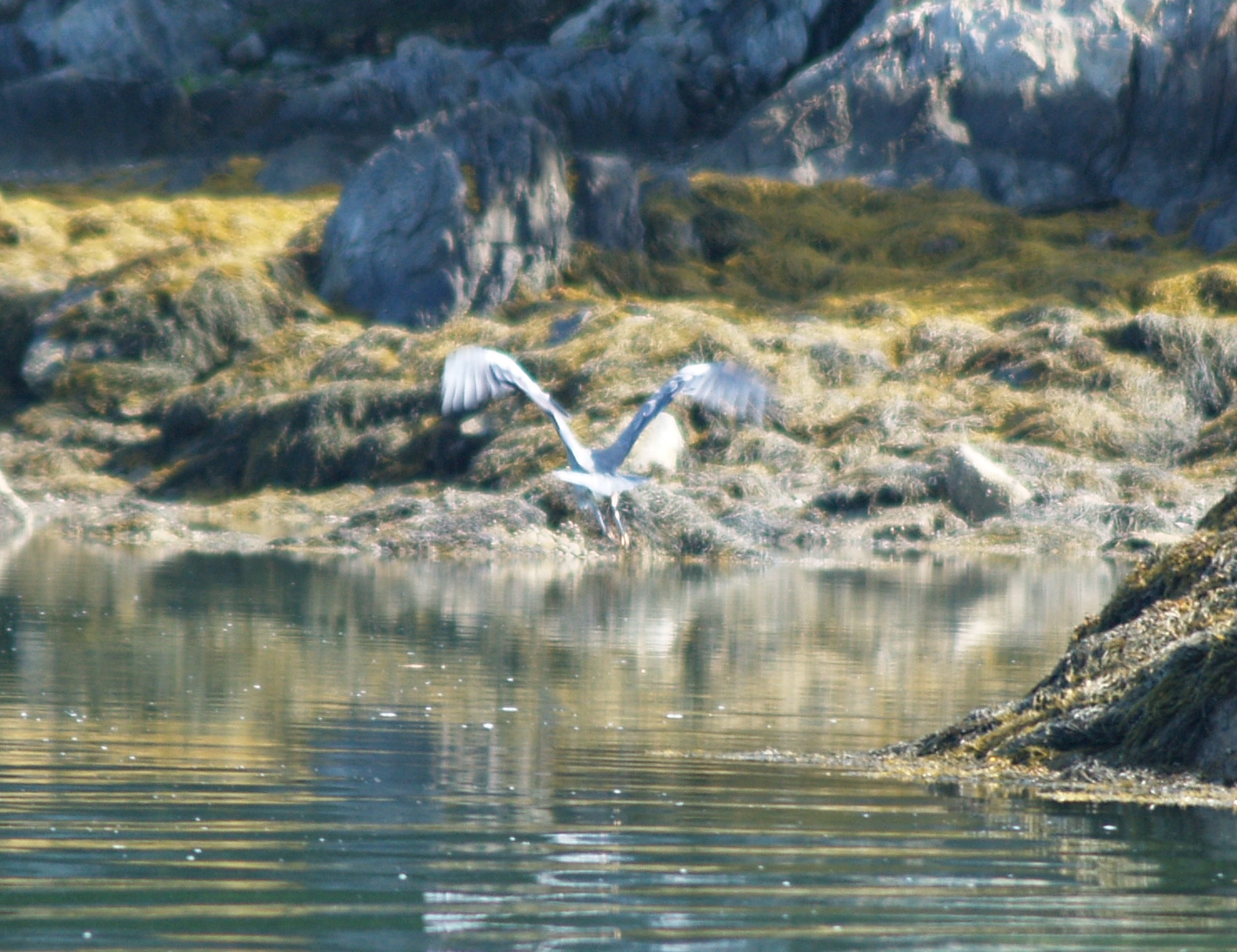
In this cove the shallows are full of the shells of sea life eaten by the various birds fishing these waters. We found a huge scallop shell, several large quohog shells and a razor clam shell, and endless mussel shells. Mussel shells are so beautiful with their range of iridescent blues and purples! Looking through the water at the shells made me think this would be a wonderful tapestry, having some of the shells in sharp focus as seen through clear water, and others obscured by light reflected on water. Now, how to actually depict that! I took several photos with a polaroid filter, but they all came out perfectly clear, as if there were no water at all!….
Then I happened to read Kathy Spoering’s post about taking the time to osbserve the natural world, to really look….through an artist’s eyes. I definitely need more looking…
I spent most of yesterday watching the bird life around Snow Island. There are several ospreys in the area, more than I’ve seen in one place before, and they all seem intent on ridding themselves of the eagles in the area. The ospreys worked together to dive bomb the eagles, and I’m not sure if they were just claiming their hunting territory of if the eagles pose some additional threat. I know some birds steal the nests of others. Clearly, for reasons I may not fully understand, the ospreys do not wish to cohabitate with eagles!
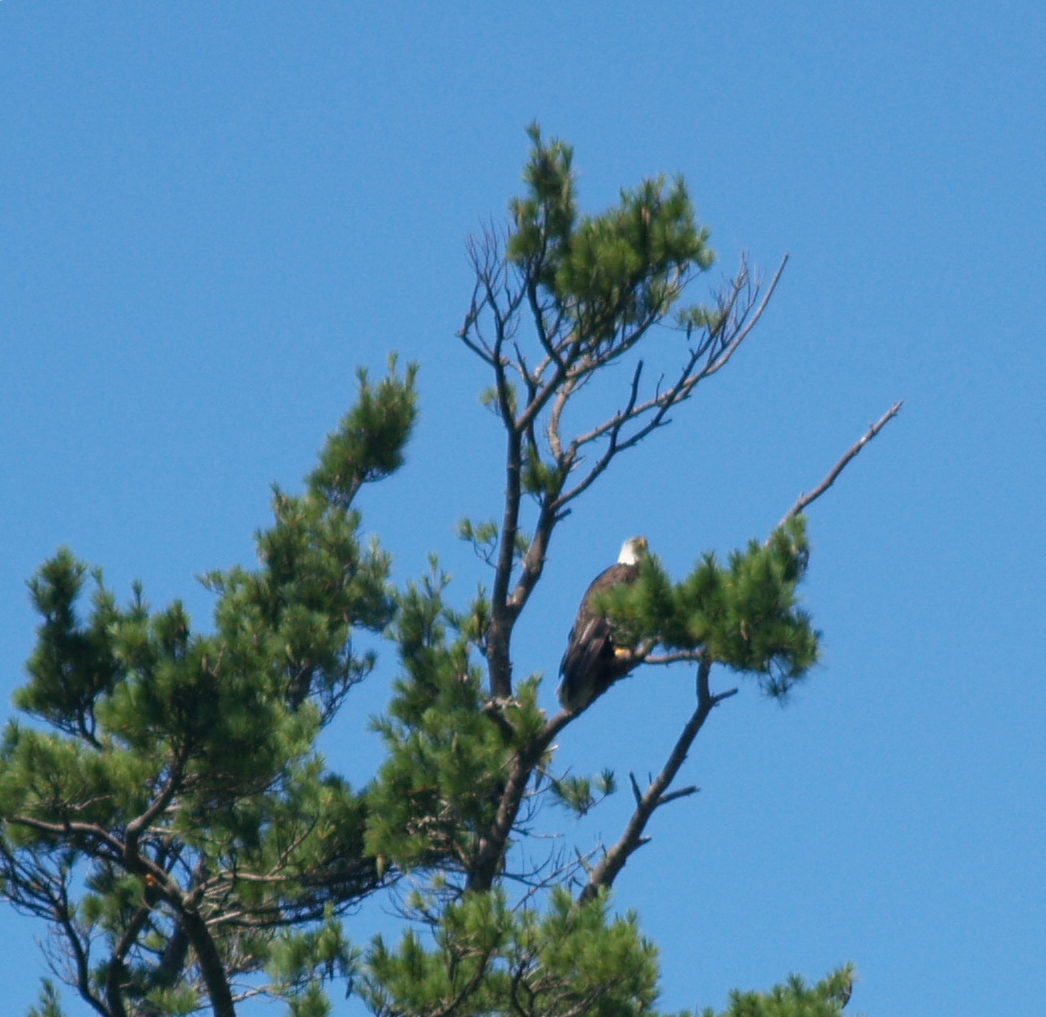
This eagle sat calmly in the tree while a group of ospreys hurled themselves and dived down on her/him! Right nearby was the eagle’s nest complete with adolescent eaglet.
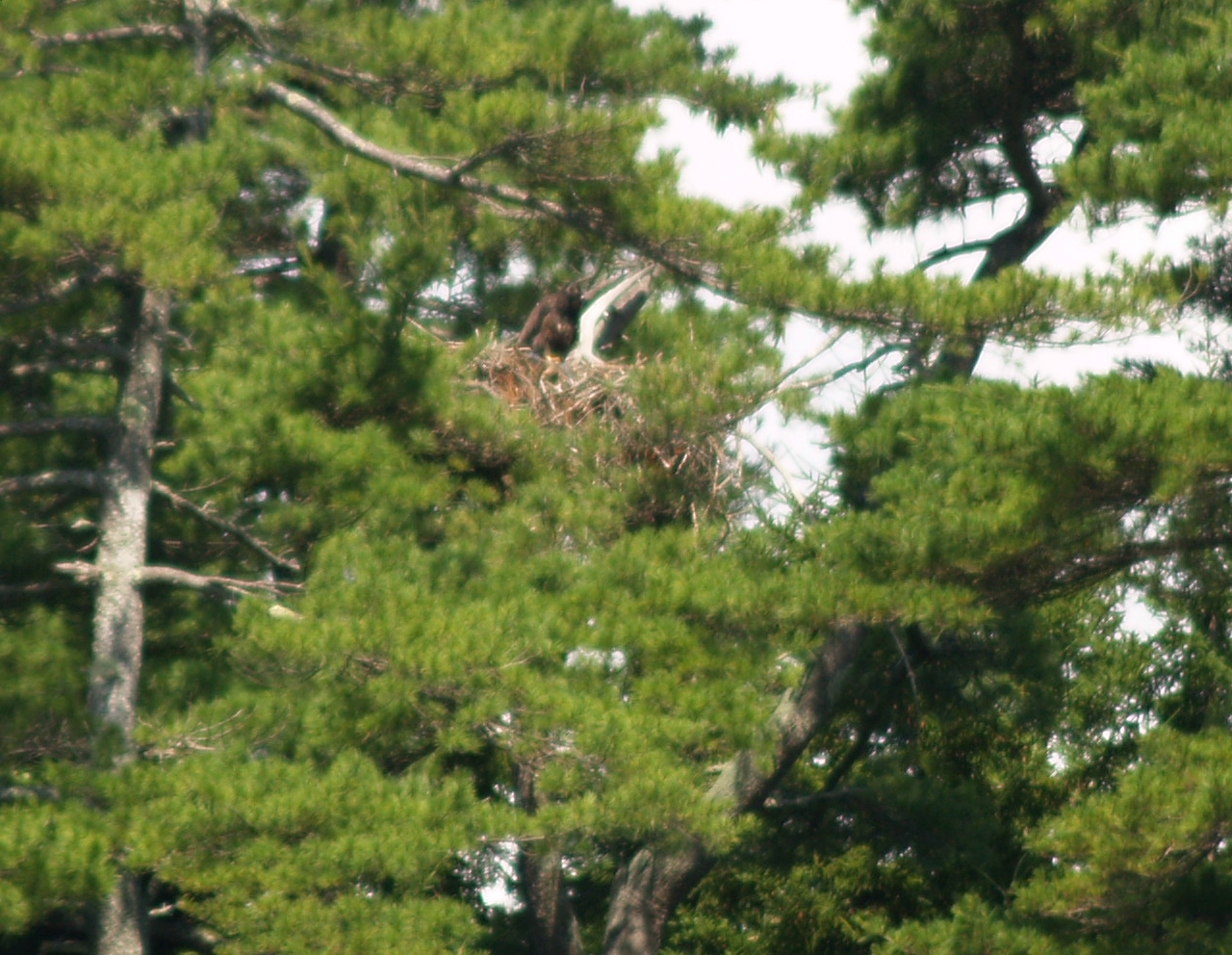
Well, I know this eaglet is hard to see even if you ‘bigify’ the photo…nest is near the center of the image. I marveled at the parent eagle bringing food to this baby whose sharp beak and claws surely must make parenting difficult!
Yesterday was one of those Maine days that is so clear everything appears super-focused. I took photos of water and sky, and I hope someday they will be useful to developing a cartoon for a tapestry.
And I finished one of my summer books….
Summer reading:
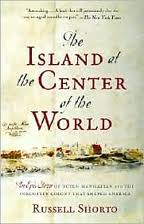 This is a fascinating history of New York before the English, when it was the Dutch colony of New Amsterdam. The author gives vivid images of life in this colony through the written records and correspondence of that period and shows that the Dutch culture has lived on to the present time in current New York culture. His premise is that New York is still more Dutch than English, and that the Dutch culture of the 17th century is the core of American culture. He does a great job!

Amazing book!…too moving to describe. I highly recommend it! I bought it for reading on board, but I finished it the day I took sneak peak at home….
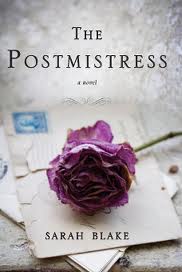 I just finished this yesterday, while watching the bird life here. A wonderful story written from the point of view of three different women during the year before American involvement in WWII, during the blitzkrieg of London and the rounding of up Jews throughout Europe. I put this near the top of very few books that I will always treasure!
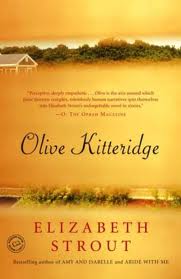 Just started this yesterday, and I’m hooked. I don’t normally stumble on so many good books all at once! I feel incredibly lucky….
And I’m looking forward to Water for Elephants that is on my phone. I can’t see the movie until I read (or listen to!) the book!
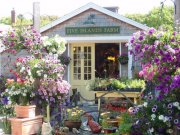
The day will end with a dinner of fresh local veggies and local cheese from the this quaint farm stand in Five Islands Habor….oh, and a bouquet of dark red dahlias, feverfew, and love in a mist!