ArgoKnot

Author name: ozweaver

Chillin’

A few more days in Hope Town.  Sailing friends have also arrived, so we are now joined by Nati, Meltemi, and Firecracker.  Take Two is still anchored just outside the harbor. We all seem to be reluctant to leave this idyllic spot, where relaxing is as easy as breathing the tropical air…

Ways to chill in Hope Town include visiting the newly opened Hope Town Marina where everyone is welcome at the pool.

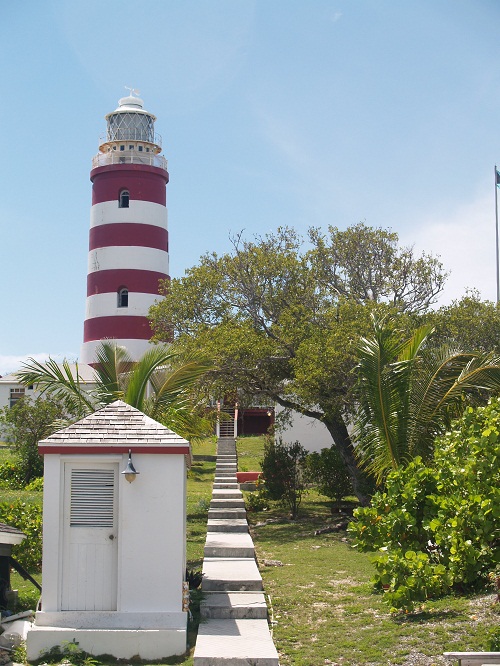
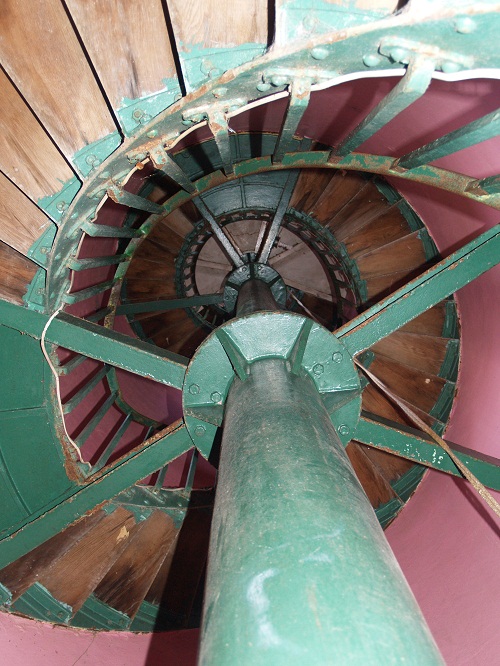
Visiting Hope Town’s famous lighthouse involves just a little more effort if you want to see the view from the top, but it’s not too strenuous…  that narrow spiral stairway is challenging for claustrophics, like me!

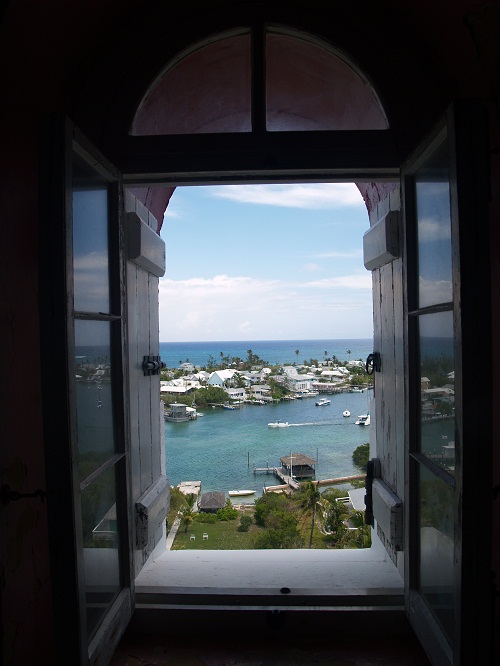
Lovely view from one of the windows on the way up…

Spectacular view from the top with Pandora front and center!

Other ways we have found to relax here include driving around the island in a golf cart, walking the oceanside beaches, walking through the quaint town, and eating out at several delightful restaurants! This is the bar at Firefly looking west at another wonderful sunset…

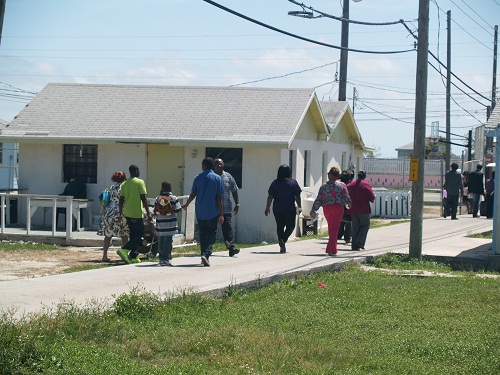
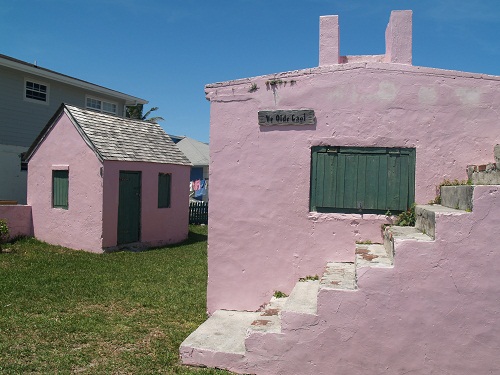
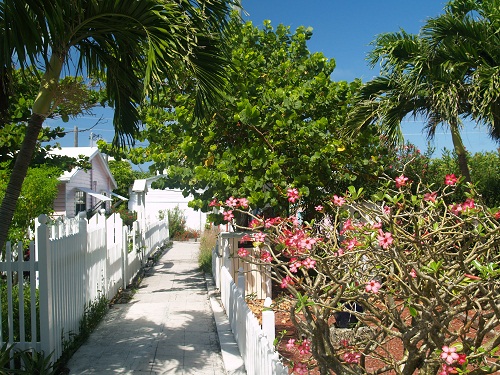
Walking the quaint residential streets in town…

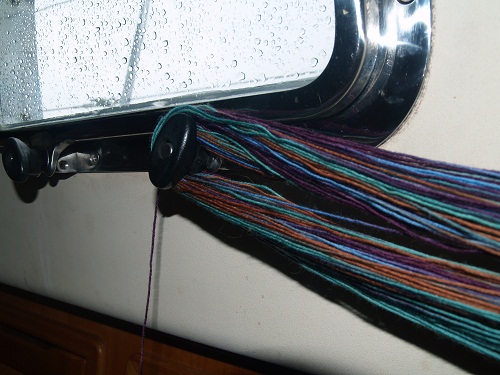
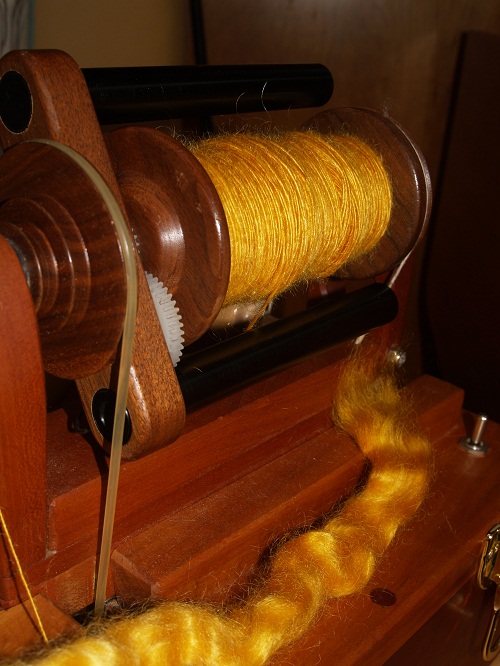
I’ve gotten my spinning wheel out again (properly known as an electric spinner since the wheel is a fly wheel attached to a motor, and there is no treadle!) and am enjoying working with some intensely saffron dyed mohair.  It is the color of energy and sunshine and happiness.  Zen in my hands!

Hope Town

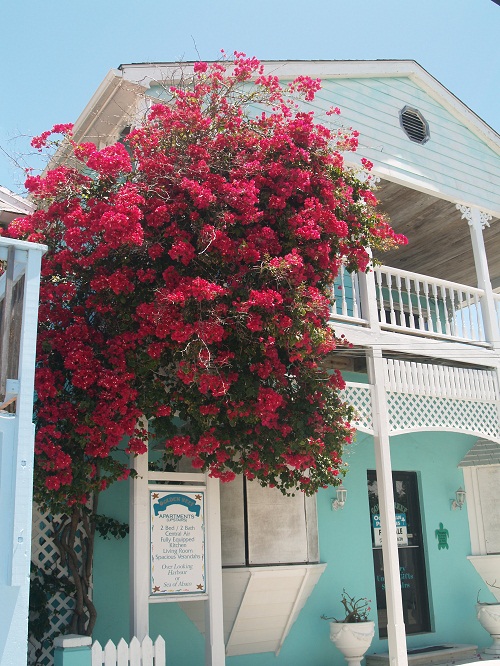
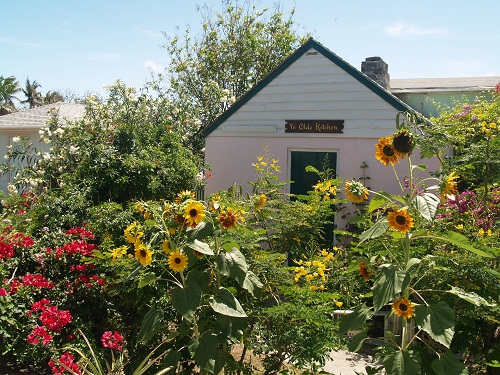
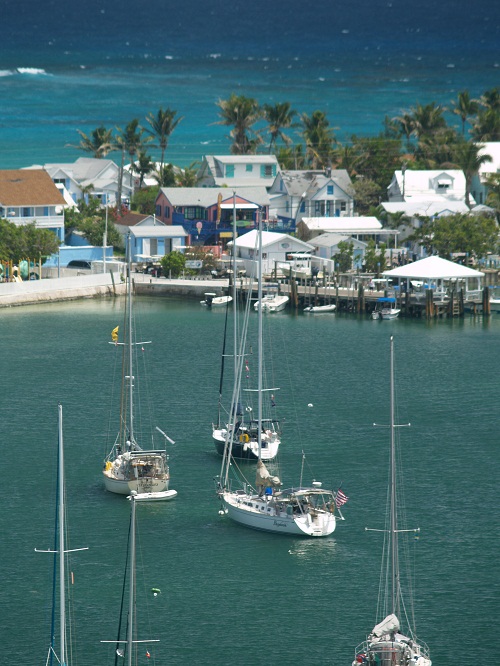
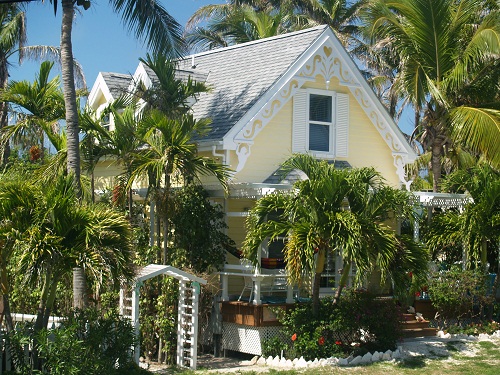
We are anchored just outside the entrance to Hope Town Harbor on Elbow Cay.  It’s a beautiful town, with pristinely maintained cottages and gardens…. a tropical version of Oak Bluffs on Martha’s Vineyard.

The weather has turned hot and noticeably humid, so we have opted to stay outside the harbor where we can enjoy a little breeze when there is one.  A strong blow is predicted for tomorrow, which has us debating the merits of moving into the harbor or staying out here.

Hope Town was settled by British loyalists near the end of the American Revolution, around 1783.  They brought all their farming equipment, slaves, and livestock to establish a similar agricultural lifestyle on the island, but that was not supportable on Elbow Cay.  The land was not nearly as arable as what they’d left behind, and there wasn’t even a drop of fresh water on this island.  Life had to be unspeakably hard.  They survived by fishing and by salvaging the oft-occurring shipwrecks.  They rescued the crews from these wrecks, then commandeered the valuable supplies.  Over time they built their lovely houses and made paved streets (barely wider than sidwalks) that get shared by pedestrians, cyclists, and golf cart drivers!

I enjoy listening to the speech of the descendants of these British settlers, which has a distinct sound.  It has a twang like our American southern accent, yet is is decidedly British…a bit flatter than Australian.  I could listen to the nuances of this accent for hours!  But I am a long way from being able to imitate it!

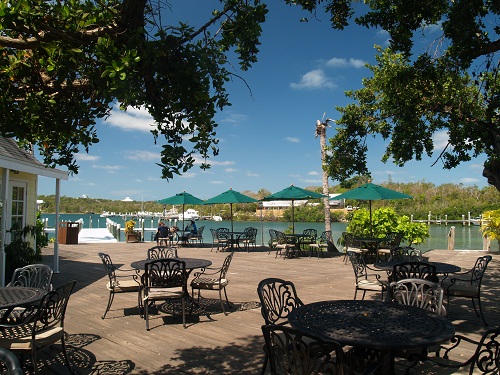
Bob and I had drinks on this beautiful terrace as the sun set earlier this week.  Then we moved inside to the elegantly appointed dining room of the Hope Town Harbor Lodge for a wonderful dinner.  Another opportunity to eat spiny lobster!


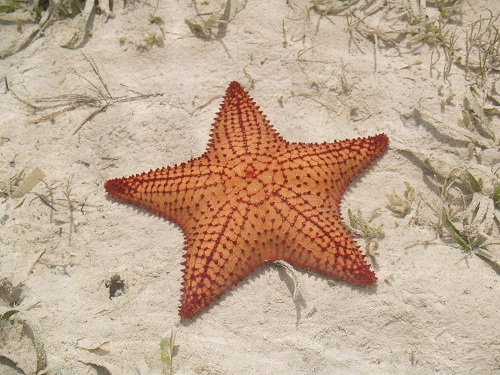
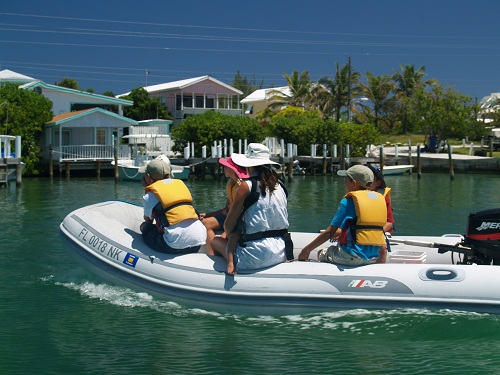
As interesting as Hope Town is, we are enjoying the entertainment at our anchorage just as much! The 48′ catamaran Take Two is right next to us, and we are completely entranced watching the five children play all over the boat, swim in the water, bring up creatures from the deep (like lots and lots of cushion stars), take the dinghy into town with Mom as a passenger.  They are an exuberant bunch, but also incredibly respectful of each other, well behaved in an out of control sort of fashion, and so curious and bright!  I know that Tanya and Jay have their hands full as parents of these active youngsters (ranging in age from 11 down to 2!) over the five years that they have been out cruising, but what an incredible way to raise children. How many people of any age get an experience like this? Since children are so inquisitive, both intellectually and physically, I can only imagine that this is just the preface to a long life of adventures for each of these five children. Their blog is equally compelling to watching the family in action!


Thoughts of Home

It is truly springtime in southern New England now, and I’m feeling a bit homesick.  I heard that the peepers are calling at night, and the forsythia and daffodils are in bloom!

Bob happened to get the New York Times on Sunday, and saw this editorial, “The Rural Life: A Box of Sheep,” by Verlyn Klinkenborg, which he sent to me.  It put me in mind of springtime all across the continental US.

Klinkenborg wrote: I set the box on the kitchen table, opened it with a knife and folded back the newspaper inside. The scent of sheep rose like a genie from a bottle — a genie who used a lot of lanolin. This was the fleece from a Cheviot sheep, sheared only a few days earlier.

I can see that flock of sheep, moving out into the fields now, at least during the mild days, feeding on the lush new greens of spring.  The ewes are lambing so there are frolicking little wooly creatures in those fields as well.  I remember the little lambs that Susan and I held in our arms at Kinderhook Farm in New York state. In my new little part of the world on the Connecticut River, I have seen a nearby sheep farm and an alpaca farm.  I can’t wait to visit!

I’ll be arriving home in time to visit the Connecticut Weavers’ Guild biennial exhibition in Hartford.  There will be one more guild meeting for me to attend before the summer hiatus, and you cannot imagine how excited I am to reconnect with weavers!  In July I’ll be going to the New England Weavers’ Seminar.  My landlubber life is starting to call to me!

Meanwhile, life here is still quite fascinating.  On our last day in Little Harbor we visited the smallest blue hole I’ve ever seen! The water around the hole was barely ankle deep, yet in the hole we could see yellow tangs, parrotfish, sargent majors, and some varieties we don’t yet know!

We spent some time with Bret and Kristin and saw the pieces coming out of their plaster shells.

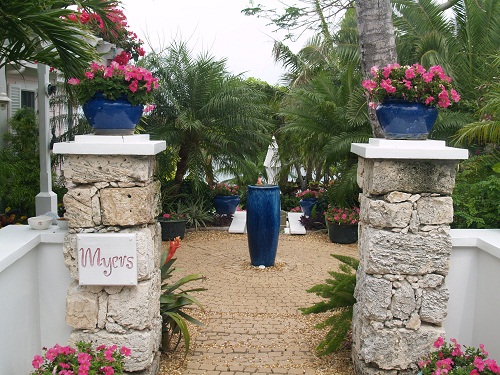
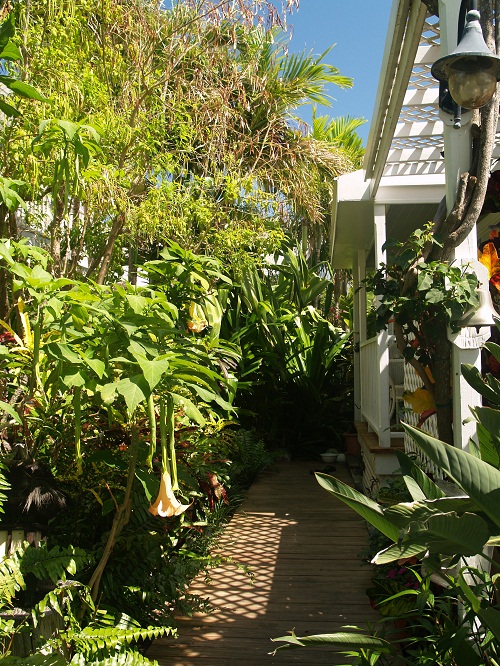
On our last morning in Little Harbor we took a walk along a residential road.  One property had quite an elaborate tropical garden.

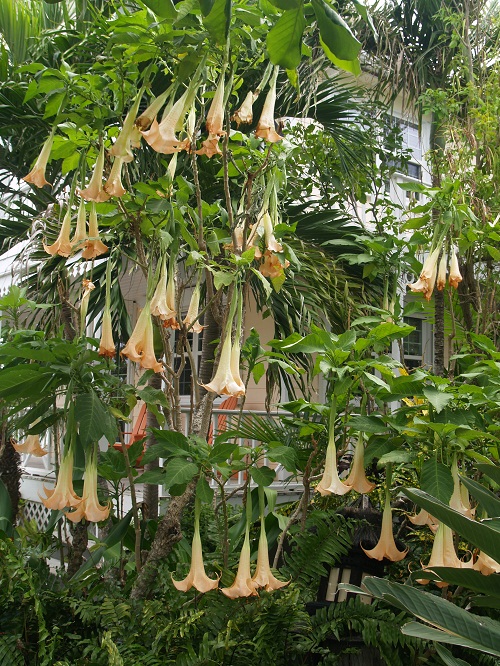
The weather is decidedly different now, and we’re not sure if it’s because we are now in the Abacos or because it’s now April….or both!  We’ve had some terrific squalls that brought lots of rain, the first we’ve had in almost four months.  On our walk we found some orchids that we think are Epidendrums that are just now setting buds.  I guess the wet season will be here soon….and then the hurricanes!

We have spent two days in Marsh Harbor, provisioning, doing laundry, and  Bob found a barber!…his first haircut since December!  He is thrilled, but I thought his longer hair was quite cute! While Marsh Harbor did not inspire us to take photographs, I am thrilled beyond words to now have onboard two avocados, several tomatoes, and a green pepper!  Can you say guacamole?? We may now have enough lemons and limes to last ’til I leave! Even better than that are clean sheets and towels!  And Marsh Harbor has a lovely spot to relax called Curly Tails!

Yesterday we wandered into Curly Tails for the second time in late afternoon and saw on TV the coverage of the Boston Marathon tragedy.  Being in this simple place, where people have so little and yet, on the whole, are so thankful for their little piece of home, it seems impossible that there could be such malice in the world.  I cannot fathom it.

Shortly we will head to Hopetown.

Catch of the Day

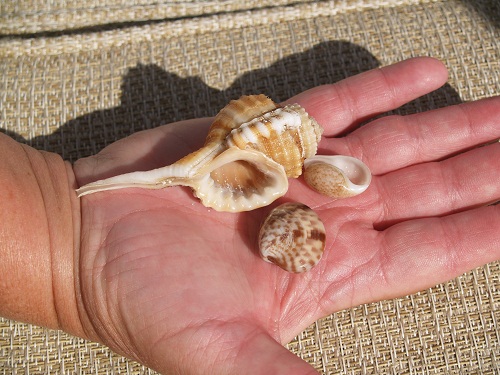
No, not fish!  Shells!

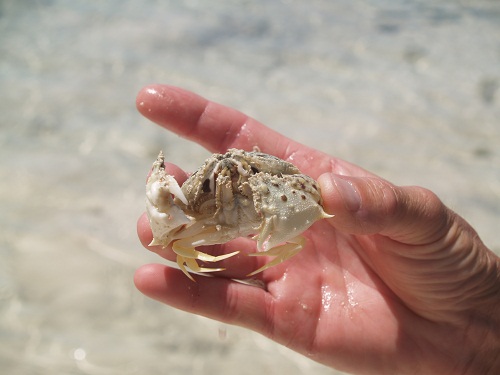
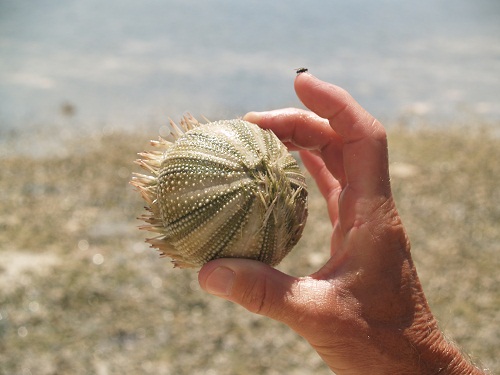
We are in the Abacos now which is the northern chain of islands. It is fascinating how each beach has its own variety of shells.  Many shells show up all over the place, but some beaches have more of one thing than another.  The beach on the western side of Lynyard Cay was a haven for sea biscuits, most of them alive!  There were interesting sea stars there too, not the big red cushion stars, but a smaller variety that was not quite as ‘puffy’ and were dark green with blue/black and tan spots.

Our biggest catch occurred because of our decision to attempt the entrance to nearby Little Harbor, famous for Pete’s Pub and home of Randolph Johnston’s bronze foundry.  We made it through the entrance channel with only a few inches of water under our keel at high tide!  And then we learned that there would be a bronze pouring in the foundry in the afternoon!  Our lucky day!

We met Kristin Frasheski who is here for three months with her husband Brett,who is a sculptor, and she answered many of our questions about the process of taking a sculpture and casting it in bronze.  She is working in bronze now herself, although her medium has been charcoal drawings.

It is a long and painful process to take an original sculpture and cast it in bronze.  My oldest and dearest friend is in the midst of making a mold for one of her sculptures right now, so I couldn’t get her off my mind!  After seeing the entire process here in this foundry, I am in awe of what she’s doing.  It is a steep learning curve!

The process is called lost wax, but there is so much more involved in it.  First, a rubber mold is made of the original sculpture, and often enough that precious original is damaged in the process and needs repairs afterward.  From that rubberized mold a casting is made in wax.  The wax piece always needs some delicate re-working to get the details just right.  Then a plaster-type material is used to make a mold around the wax piece.  This mold gets fired in a kiln which hardens the plaster and burns off the wax.  Then this mold  gets set into wet sand for support while the blindingly hot bronze is poured into it.  The plaster molds have an open top for pouring in the bronze, and there are lots of air vents, called sprues, for letting out any air that might get trapped when the bronze is poured.  Because of that there is a great deal of finishing work to be done when the bronze piece is cracked out of its plaster mold.  There is bronze in all the sprue vents, there are sometimes cracks in the piece, and of course there is smoothing the finish of the bronze and making a patina on the surface.

Sculpting the original is such a small part of the journey to a bronze sculpture.  Even the complicated process of making the molds pales when I realized how long the finishing process is to getting the final bronze work ready for display.

Two men did the pouring.  Both were dressed from head to foot in fire retardent, protective clothing.  Even their shoes are covered.  I’m not sure which guy has the harder job!  The man in the foreground is working chains on a pulley that are connected to pinchers (like old fashioned ice tongs) with which he was able to lift the crucible of hot bronze out of its furnace.  The second man, who barely shows in this photo is tipping the crucible and controlling the pour into each of the molds.  The molds were taken from the kiln and set into a stone ‘bathtub’ of wet sand.  The two men quickly shoveled up sand around the molds to support them before they poured the molten bronze.  The entire process has to happen rather quickly while the bronze is within a certain temperature range.

The foundry was a chaos of inspiring creativity.  There were many older pieces laying about in various stages of unfinished-ness, and lots of old molds.  Once you have a rubberized mold you can continue to make pieces for a long time.  Many of Randolph Johnston’s pieces are still in the studio.

This large Pompano intrigued both Bob and me, but it is not yet finished, and I don’t think it will be within our means at any rate!

There is a gallery of finished works and various pieces are on display all over the grounds.

In the afternoon we walked to the beach.  There was a boardwalk over the hill with a bronze sculpture of frigate birds at the end. Yipee!  No navigating through jungle palms and treacherous limestone crags! The beach turned out to have a great cache of fossilized coral pieces.  So interesting!

Walking along the grounds between the gallery and the foundry.

Shortly before sunset we went ashore for dinner at Pete’s Pub.

The boats in the harbor as seen from Pete’s Pub. Pandora is exactly in the center of this shot.

We spent much of the day and the evening with our friends Ann and Dick who are sailing aboard Nati. They have given us great tips on what to see and do in the Abacos!

Resort Life!

Oh, yes!  Resort life is the life for me!

…unfortunately, the cost is beyond our means!  Still, I enjoyed our three days at Highbourne Cay probably more than any place down here in the Exumas.  I know that doesn’t say much for my hardiness as a sailor and cruiser!

There are lots of beautiful places in the Exumas.  I just did all the hard bits first, so a bit of luxury at a resort really impressed me.

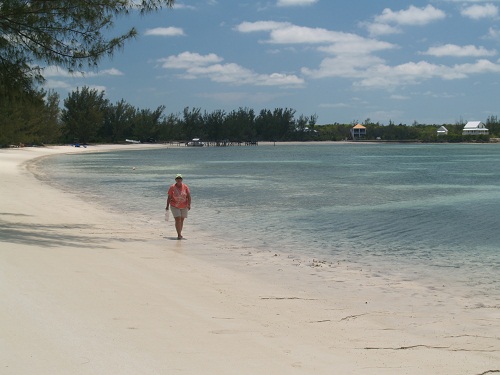
There were numerous beaches to visit, and all but one had thatched umbrellas with Adirondack chairs underneath.  Two of the beaches were raked everyday… I kid you not... so that there would be no unsightly high tide line of seaweed and other debris.  I wonder how many men it takes to rake a mile of beach, and what time of day do they do this?  We never saw them! I spent a good deal of time each day sitting on the beach under the umbrellas reading…. then walking along the beaches for a bit of shelling.

There were wheeled carts and little shopping baskets for getting one’s provisions onboard easily. You can just leave these on the dock and they would mysteriously return to the market.  The fresh vegetables looked quite tempting, and I got a cucumber as well as a head of cauliflower!  No avocado though…sigh. The restaurant was on a higher elevation with a balcony overlooking the beach and endless miles of the Great Bahamas Bank….beautiful waters that shade from pale aqua through turquoise and on to deep indigo.  Every table in the open air restaurant and bar had a wonderful view, but I liked being on the balcony most!

We passed through the storm with no fear and no discomfort either.  We heard that one of the nearby inlets measured winds at 200 mph!   We saw lots of wind, but hardly felt much in our protected little harbor.  The palm trees were bending dramatically, and there was a non-stop lightning show for hours, including a number of sideways strikes.  Just before sunset we saw a water spout north of Highbourne Cay.  I was very happy to be tucked inside such a small and well protected harbor. The weather router we use had warned that this storm would come from almost all directions, making it almost impossible for boats to find a safe haven.

The day after the storm was stunningly clear and perfect.

During our post-storm visit to the restaurant I mentioned to our waiter that I would not want to experience a hurricane in the Bahamas after seeing the force of that storm!  Yet he said that he’d much rather go through a hurricane in the Bahamas than in the US.  After listening to him, I realized he is right.  The islands are pretty well protected by all the reefs…certainly better than the coastal towns and cities of the US. And these islands are mostly limestone with a bit of sand right at the edges. We lose entire cities in the US, but here even the little houses built of ‘found objects’ manage to only lose a few roof tiles or windows.

Typical of many Bahamians who are devoutly Christian, this man told us it was because God loves them so much, and loves the islands of the Bahamas so much, God would never let them be destroyed.  I know that sounds arrogant, but that’s not the tone I hear when people talk freely about how much God loves them. I have never been anyplace where religious belief is so fervent and so openly displayed. It’s really quite endearing! In spite of their economic problems, political problems, and a lack of so many things (things I struggle to live without while down here), Bahamians seem to feel very blessed.   How refreshing to be among such people who are happy in the face of hardship, thankful for their simple lives with so few amenities….people who count their blessings.

We have now left the Exumas and have traveled for two long days to get to the Abacos.  It was over 40 miles to Royal Island at the top of Eleuthera, through a maze of coral heads that Bob navigated with no help from me…
The black spot in the central background is a coral head where the depth would definitely be too shallow for Pandora.  The shadow in the lower right corner is Pandora’s shadow on the water.

…and then another 50+ miles yesterday to Little Harbor and Lynyard Cay in the Abacos.  That 50-mile ocean crossing was particularly uncomfortable, and I spent eight long hours being more seasick than previously on this trip.  Remembering how pampered I felt at Highbourne… now we are here!

Scroll to Top